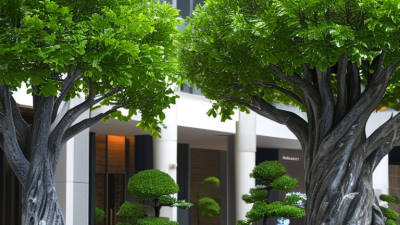
What Are the Top Types of Artificial Outdoor Trees?
Outdoor spaces often need greenery where living trees struggle. Strong sunlight, salty air, limited soil, and irregular watering can quickly weaken natural plants. An Artificial Outdoor Tree offers a practical alternative, but the best choice depends on location, climate exposure, and visual purpose.
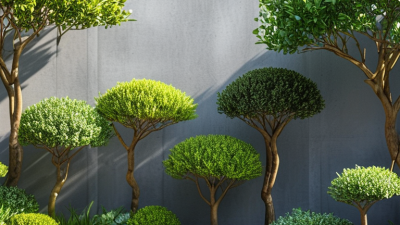
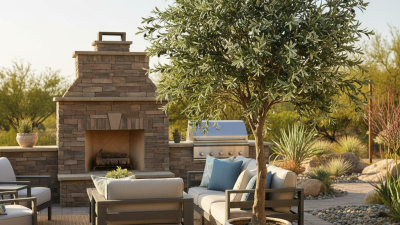
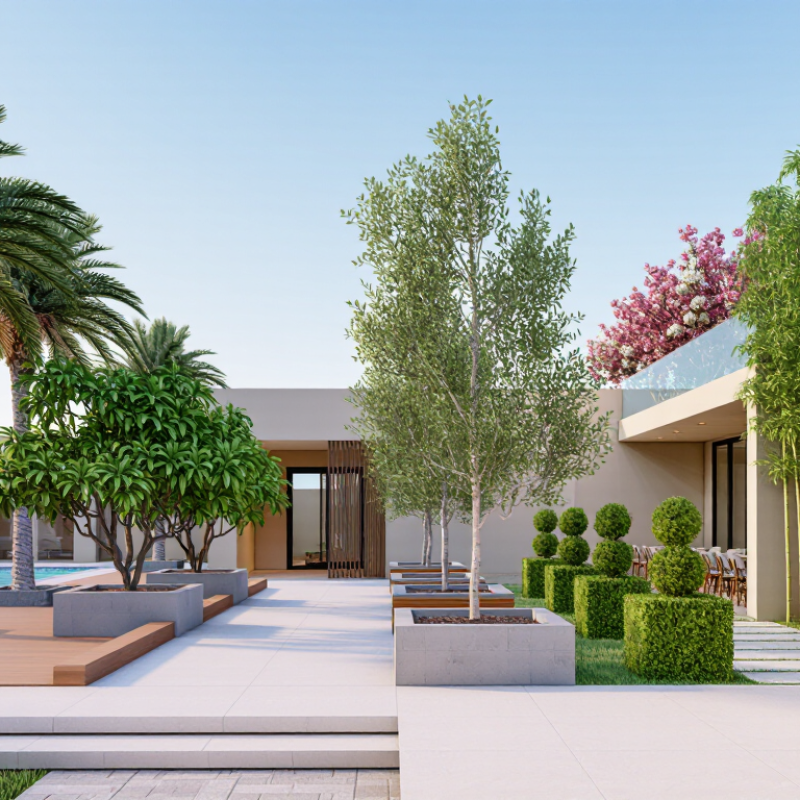
Landscape designer and artificial greenery specialist Daniel McCurry says, “A convincing outdoor tree should belong to its setting, not simply fill an empty corner.” This principle matters when comparing the leading types. Artificial palms create a relaxed, resort-like atmosphere beside pools and patios. Artificial ficus trees provide dense, broad foliage for entrances, terraces, and covered seating areas. Artificial olive trees suit modern spaces with their narrow leaves and muted green tones. Bamboo trees add vertical privacy, especially around balconies and restaurant boundaries. Boxwood and topiary forms deliver a more formal appearance near doors, pathways, and commercial facades. Flowering artificial trees can also add seasonal color without dropping petals.
Details make the difference. Look for UV-resistant foliage, weighted planters, stable trunks, and weather-suitable materials. A glossy leaf may look attractive indoors but appear artificial under direct sunlight. I once underestimated wind exposure on a rooftop project. The tree looked perfect, yet the planter needed more ballast. Small mistakes matter.
No option is perfect. Some products fade. Others collect dust around their leaf joints. Still, realistic textures, layered branches, and careful placement can produce a convincing result. This guide examines the top Artificial Outdoor Tree types and explains where each one performs best. It also considers maintenance, durability, privacy, and design balance, helping buyers make a more informed decision.
Defining Artificial Outdoor Trees and Their Main Features
Artificial outdoor trees are manufactured plants designed to mimic living trees in exposed spaces. Common types include palms, bamboo, olive trees, boxwood topiary, and narrow evergreen forms. Their main features include UV-treated foliage, weather-resistant stems, weighted containers, and low watering requirements. Some use polyethylene leaves and galvanized metal frames for better outdoor durability.
USD 1.7 billion
The market is expanding. Grand View Research estimated the global artificial plants market at about USD 1.7 billion in 2023, with continued growth expected through 2030. However, market growth does not make every tree suitable for outdoor use. Look for clear UV-resistance details, drainage holes, stable bases, and temperature guidance. ASTM D4329, a recognized plastics-testing standard, evaluates performance after accelerated ultraviolet exposure. It does not guarantee unlimited outdoor life. Real sunlight is harsher and less predictable.
Tips: Rotate the tree occasionally to reduce uneven fading. Secure tall models before windy weather. Inspect leaves every few months. Dust hides damage. A small flaw matters outdoors, especially around entrances where visitors touch the foliage. In my experience, “maintenance-free” is an attractive phrase but an imperfect one. Even quality artificial trees need cleaning, anchoring, and occasional replacement of faded sections. Choose foliage density carefully; overly dense leaves may look artificial in bright daylight, while sparse branches can reveal the internal frame.
Common Types of Artificial Outdoor Trees by Species and Form
What Are the Top Types of Artificial Outdoor Trees?
Common Types of Artificial Outdoor Trees by Species and Form
Artificial outdoor trees are usually selected by species, silhouette, and exposure level. Popular species include olive, ficus, palm, bamboo, cedar, and boxwood. Olive trees suit patios with narrow spaces and warm colors. Ficus trees create dense, rounded canopies. Palms deliver a stronger resort appearance. Bamboo works well for privacy screens and slim balconies. Boxwood often appears as clipped balls, cones, or formal hedges.
Form matters as much as species. Single-trunk trees look cleaner near entrances. Multi-trunk designs feel more natural beside seating areas. Topiary forms add structure to commercial courtyards. Wall-mounted and modular greenery can cover blank fences without consuming floor space. Grand View Research’s artificial plants market analysis projects a compound annual growth rate of about 5% through 2030. That growth reflects demand for low-maintenance decorative greenery, though market forecasts can change with construction and hospitality spending.
Tips: Check UV resistance, weighted bases, drainage, and wind exposure before buying. Polyethylene leaves often hold texture better outdoors. Inspect the trunk connection carefully. A beautiful canopy is not enough. I have seen installations fail because the base was too light. Also, species labels can mislead; a “palm” may show tropical leaves but lack realistic trunk proportions. Compare leaf density in daylight, not only under showroom lighting.
Materials and Construction Methods Used in Outdoor Artificial Trees
What Are the Top Types of Artificial Outdoor Trees?
Artificial palms, olive trees, bamboo, and sculpted topiary remain popular for patios, entrances, and commercial landscapes. Their appearance depends heavily on construction quality, not only leaf design. Palm fronds usually combine flexible plastic blades with internal wire supports. Topiary foliage often uses molded polyethylene leaves fixed to a shaped steel frame.
Materials must withstand sunlight, rain, and temperature changes. UV-stabilized polyethylene helps reduce fading and brittleness. PVC may provide affordable leaf detail, but lower-grade PVC can crack after repeated exposure.
Pay attention to the trunk, too. Fiberglass, resin, and treated steel are common choices. Fiberglass offers a realistic textured surface, while galvanized steel adds structural strength inside larger trees.
Strong construction matters outdoors.
A welded metal frame can support heavy canopies better than loosely assembled sections. Some trunks include concealed steel plates or threaded rods for anchoring. Concrete-filled bases improve stability, especially in exposed courtyards. Wind still matters. A wide canopy can act like a sail. Field checks should consider local wind conditions, drainage, and nearby walls.
Inspect the joints closely.
Leaves should not detach easily.
I have seen attractive trees fail because their bases were too light. That detail is easy to overlook. Flame-resistant materials may also be required in certain public settings, but requirements vary by location. Product documentation should confirm material ratings, maintenance needs, and recommended anchoring methods before installation.
How to Choose Artificial Trees for Different Outdoor Settings
What Are the Top Types of Artificial Outdoor Trees?
Choosing artificial trees for outdoor spaces requires more than matching leaves to a color scheme. The setting controls the tree’s size, shape, materials, and base stability. For patios, artificial palms create height without crowding dining furniture. Olive trees suit balconies and courtyards because their narrow trunks and muted leaves feel less visually heavy. Boxwood or topiary trees work well beside entrances, where clean outlines support a formal appearance. Bamboo can soften privacy screens, but dense foliage may catch strong wind.
Measure twice. Wind changes everything.
For exposed terraces, select trees with UV-resistant foliage and a weighted, weather-suitable planter. Ask for product testing details rather than trusting vague claims. In rainy locations, use containers with drainage and protect internal ballast from standing water. Coastal air can accelerate corrosion, so inspect metal supports and fasteners regularly. A covered porch allows more flexibility, although direct sunlight can still fade lower-quality leaves. I once saw a beautiful artificial palm placed beside a narrow walkway; its fronds blocked movement and looked oversized after installation.
Scale should follow the surrounding architecture. A low tree can frame a small café table, while a taller tree may balance a blank wall or double-height entrance. Leave enough clearance for doors, vents, sprinklers, and cleaning equipment. Secure lightweight trees against sudden gusts, especially on upper floors. Clean foliage with a soft cloth and mild water solution, then check seams after storms. Artificial trees reduce watering work, but they are not maintenance-free. Their appearance depends on thoughtful placement and occasional inspection.
Care, Durability, and Weather Resistance of Artificial Outdoor Trees
Artificial outdoor trees bring height and greenery to patios, entrances, and balconies without constant watering. Popular choices include artificial palms, boxwood, olive trees, ficus, and bamboo. Each creates a different outdoor mood. Palms suit sunny spaces, while boxwood works well near doors and covered walkways. Choose trees with UV-resistant leaves, strong internal frames, and weighted bases. These details matter more than appearance alone.
No artificial tree is truly maintenance-free. I have found that dust gathers quickly on broad leaves, especially beside busy roads. Rinse foliage with clean water every few weeks, then let it dry naturally. Use a soft cloth for delicate surfaces. Avoid harsh cleaners, which may weaken finishes or cause fading. During strong winds, secure the pot with gravel, sand, or a concealed anchor. I once underestimated balcony wind and had to repair a tilted tree. That mistake was avoidable.
Tips: Check the tree after storms. Look for loose leaves, exposed wiring, or water inside the planter. Keep drainage openings clear to prevent trapped moisture and unpleasant odors. In areas with frost, move smaller trees under cover when possible. Salt air also deserves attention. Wipe coastal trees more often, because salt can dull foliage and corrode metal supports. Weather-resistant materials improve service life, but they do not cancel regular care. Even a durable tree can look tired when neglected.