How to Create a Stunning Artificial Plant Wall for Your Space?
Creating a stunning Artificial Plant Wall is an art that transforms any space into a vibrant oasis. According to John Green, a renowned designer in the industry, "An Artificial Plant Wall can breathe life into any environment." With his expertise, he emphasizes the importance of design and selection when crafting these walls.
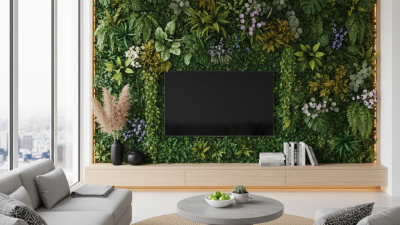
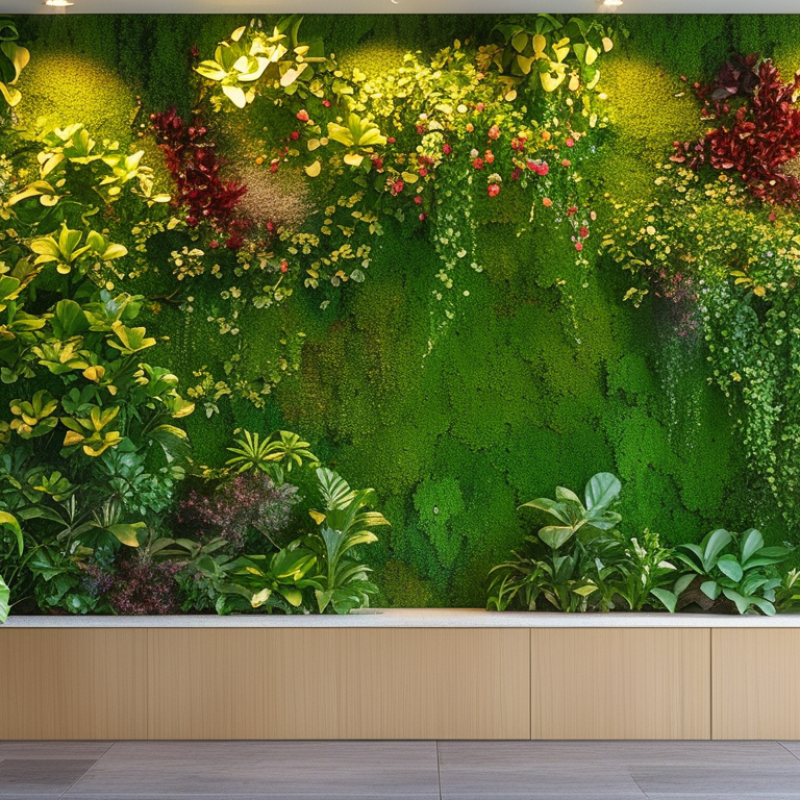
An Artificial Plant Wall not only adds beauty but also provides a unique ambiance. The lush greenery can soften hard edges in a room and create a sense of tranquility. Selecting the right plants is crucial. It’s essential to consider the color and texture for visual balance. However, achieving the perfect look requires experimentation. You may find that certain combinations do not work as expected, leading to an unsatisfactory finish.
While installing an Artificial Plant Wall, attention to detail is key. Positioning the plants correctly can make or break the effect. It’s easy to get lost in the process and miss a crucial aspect. Regular adjustments might be necessary to maintain that stunning appearance. The evolving nature of design also means that what works today may need refreshing tomorrow.
Choosing the Right Location for Your Artificial Plant Wall
Choosing the right location for your artificial plant wall is crucial. It can transform the ambiance of any space. Consider high-traffic areas where it can inspire and impress. According to the biophilic design report, greenery can boost productivity by 15%. This shows how a well-placed plant wall can impact workspaces.
Light is essential. An area with indirect sunlight may work best. Artificial plants thrive in places where natural plants struggle. They need minimal light but still bring vibrancy. A study in the Journal of Environmental Psychology found that indoor plants can reduce stress levels by 37%. Hence, placing your wall in relaxation zones, like a lounge, can encourage a calming atmosphere.
However, be cautious. Not every wall is suitable. Avoid spots with fluctuating temperatures or high humidity. These conditions can lead to fading. Reflect on what you want to achieve with your plant wall. Is it aesthetic appeal? Mood enhancement? Take time to analyze how people interact with your space. Ultimately, you want a wall that harmonizes with its surroundings.
How to Create a Stunning Artificial Plant Wall for Your Space? - Choosing the Right Location for Your Artificial Plant Wall
| Location Type |
Lighting Conditions |
Suitable Plant Types |
Maintenance Level |
| Living Room |
Bright Indirect Light |
Ferns, Pothos, Spider Plants |
Low |
| Office |
Fluorescent or LED Light |
Succulents, ZZ Plant, Rubber Plant |
Low |
| Bathroom |
Low Light, Humid |
Fern, Peace Lily, Bamboo |
Medium |
| Bedroom |
Low Light, Soft Glow |
Lavender, Aloe Vera, Snake Plant |
Low |
| Outdoor Patio |
Direct Sunlight |
Outdoor Ferns, Fake Flowers, Boxwood |
Low |
Selecting the Best Artificial Plants for Realistic Appeal
Creating a stunning artificial plant wall begins with selecting the best artificial plants for a realistic appeal. The right choice can bring life to your space without the maintenance of natural plants. Look for varieties that mimic real foliage closely. Consider details like color variations and texture to add depth. A mix of leafy greens and blooming flowers can create a vibrant look.
Tips: When choosing plants, focus on UV-resistant materials for indoor and outdoor use. This ensures longevity and will help maintain their colors over time. Pay attention to the lighting in your space. Bright rooms may need plants with darker tones to balance the brightness.
Don't forget to assess the overall design. Sometimes, the layout might seem off. Arrange plants in clusters or layers to avoid a flat appearance. Leave some space between plants to enhance visibility. Reflect on how the arrangement feels. If it seems overwhelming, try a more minimalistic approach. A few key pieces can make a strong statement without cluttering the wall.
Preparing the Wall Surface for Optimal Adhesion and Stability
Preparing the wall surface is crucial for creating a stunning artificial plant wall. Start by cleaning the area thoroughly. Remove dust, dirt, and grease to ensure optimal adhesion. A smooth, clean surface allows the adhesive to bond effectively. If the wall has imperfections, consider patching it with a suitable filler. This step is often overlooked but critical for stability.
Next, consider the type of wall you are working with. Different surfaces require different preparation. For concrete or brick walls, a primer might enhance adhesion. For drywall, ensure it is free from moisture. Test a small area first to gauge how the materials interact. Sometimes, unexpected reactions occur. A test patch can save time and frustration.
Lastly, measure accurately where you plan to attach the plants. Marking the layout can prevent mistakes. You may want to visualize how the plants will look before installation. This helps in making adjustments. It’s also important to have the right tools ready. Equipment like adhesive, scissors, and a level will streamline the process. Preparing well leads to a more polished final product.
Innovative Ideas for Arranging and Layering Your Plants
Creating an artificial plant wall can enhance any space, but arranging and layering plants requires thoughtful execution. Start with a solid background to support your design. A study by the University of Florida suggests that vertical gardens can improve air quality. This fact highlights the importance of strategic plant placement. Use larger, leafier plants at the bottom to provide a visual foundation. Balance these with smaller ones above for dimension.
Layering plants effectively is both an art and a science. The American Horticultural Society recommends using varying textures and colors. Incorporate trailing plants to soften edges and create depth. Mixed foliage will also engage the eye. A well-performed arrangement can make a space feel inviting. However, many overlook the importance of spacing. Too close, and plants can appear cluttered. Too far apart, and the design may feel incomplete.
Consider the lighting in your space as well. According to the National Institute of Environmental Health Sciences, lack of natural light can hinder plant growth. Therefore, assess which plants thrive in your environment. Experiment with combinations, but be open to adjustments. Reflect on what works best visually and practically. Remember, the goal is to create a stunning display that is balanced and harmonious.
Plant Wall Effectiveness: A Comparison of Different Plant Types
Maintaining and Cleaning Your Artificial Plant Wall Over Time
Maintaining and cleaning your artificial plant wall is crucial for its longevity. Studies show that dust can accumulate quickly, often within a week. Regular dusting helps keep the wall looking vibrant. Use a soft, dry cloth to wipe down leaves. Avoid excess moisture, as it can lead to mold growth, even on artificial materials.
Every few months, a deeper clean is necessary. Consider a gentle vacuum on a low setting. This method removes dust without damaging the plants. Some experts suggest using a mixture of mild soap and water for stubborn spots. Always test a small area first to evaluate any potential discoloration.
Artificial plant walls can fade in sunlight. Rotating the wall's position can help maintain color vibrancy. While these walls are designed for durability, they still require care to look their best. A little effort can prevent a lackluster appearance. A common struggle is finding the right balance between aesthetics and upkeep. Regular maintenance will enhance the beauty of your space for years to come.