How to Choose the Perfect Garden Decor Tree for Your Space?
The selection of a Garden Decor Tree can significantly influence your outdoor space. A well-chosen tree adds character and style to gardens. According to a report from the National Gardening Association, nearly 80% of homeowners prioritize landscaping, including decorative trees. This shows the importance of making informed choices.
Many people overlook the size, shape, and type of foliage when selecting a Garden Decor Tree. Some trees may grow too large or require excessive maintenance. Experts recommend considering native species as they thrive in local climates and require less care. A study by the Arbor Day Foundation highlights that native trees can reduce water usage by 40% compared to non-native varieties.
Choosing the right Garden Decor Tree involves balancing aesthetic appeal with practicality. It can be challenging to find a tree that fits your vision while also being low-maintenance. Relying on professional landscaping advice can help streamline this process, ensuring your choice complements your overall design without becoming a chore.
Understanding Your Garden Space and Climate Preferences
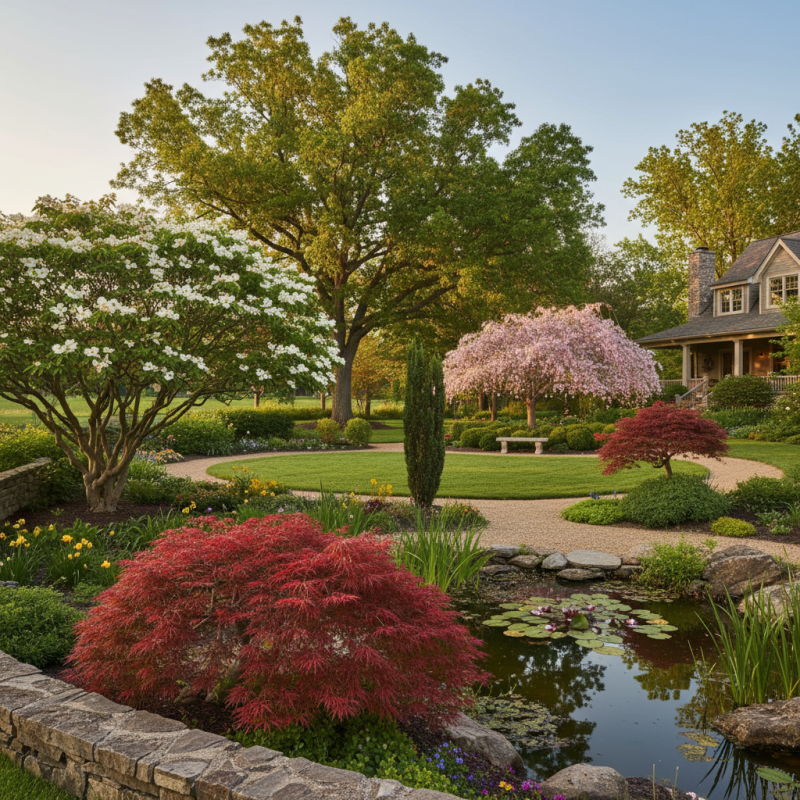
When selecting a garden decor tree, understanding your garden space and climate is essential. Different trees thrive in different conditions. For instance, according to the Arbor Day Foundation, certain trees flourish in humid climates, while others prefer arid environments. Take time to assess the light exposure, soil quality, and moisture levels in your garden. An incongruous choice could lead to disappointing results.
Tips: Research native species. They adapt better to local conditions. This approach often requires less maintenance and fulfills ecological roles. For example, a willow tree might suit a moist garden, while a drought-resistant species, such as the desert willow, could thrive in arid spaces.
Consider the tree's growth habit and size. A large tree can overshadow smaller plants and affect the overall garden health. According to a study from the USDA, more compact trees can enhance garden aesthetics without overwhelming limited spaces. Reflect on your layout and how to achieve balance without overcrowding.
How to Choose the Perfect Garden Decor Tree for Your Space?
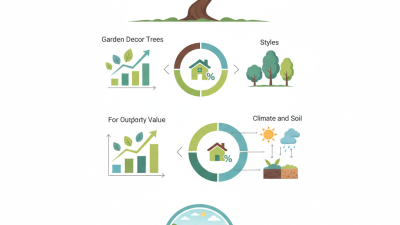
This chart illustrates the popularity of different garden decor trees based on their suitability for various climate zones. The data reflects preferences for hardiness and aesthetic appeal in garden spaces.
Identifying Your Personal Style and Design Goals
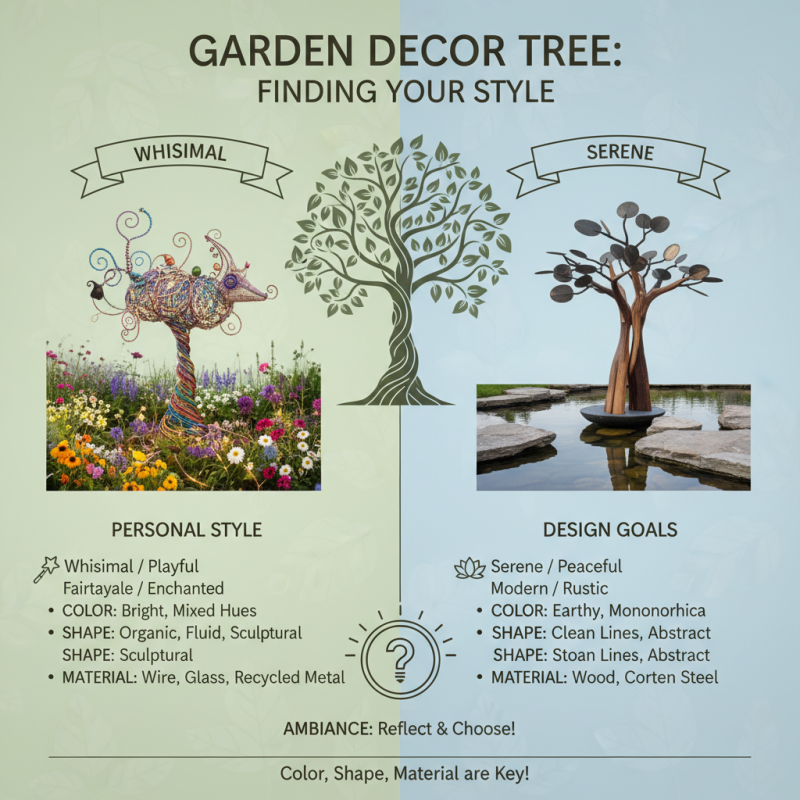
When selecting a garden decor tree, understanding your personal style and design goals is essential. Reflect on the overall ambiance you wish to create. Do you desire a whimsical vibe or a serene retreat? Color, shape, and material play crucial roles. A metallic tree might add a modern touch, while a natural wood finish can evoke a rustic feel.
Consider your space. Is it spacious or compact? A large decorative tree can serve as a focal point in a wide expanse. In contrast, smaller trees work well in cozy corners. Balance is key. A heavy design might overpower delicate plants. Simplicity can enhance elegance, allowing your garden's natural beauty to shine.
As you explore options, think about maintenance. Some trees require more attention than others. Regular upkeep may not be feasible for everyone. Reflect on your lifestyle. Choose a decor tree that aligns with your time constraints. The goal is to enhance your garden, not stress you out. Embrace the journey of finding the perfect piece. Your garden should feel like an extension of you.
Exploring Different Types of Garden Decor Trees
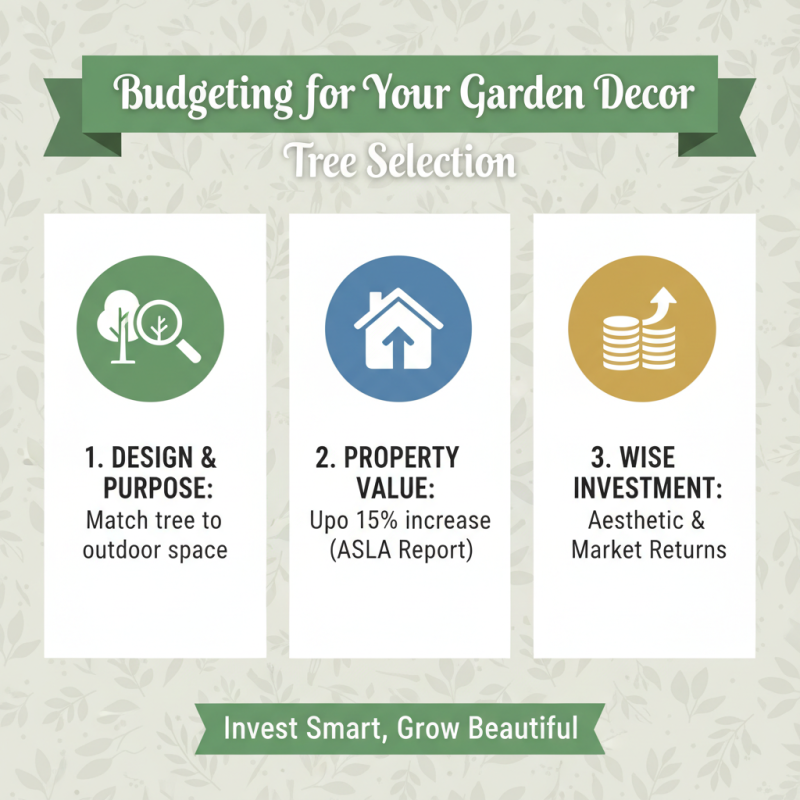
When selecting a garden decor tree, consider the diverse options available. Ornamental trees can transform your space. Popular types include Japanese maples, evergreens, and flowering varieties. According to the American Society of Landscape Architects, these trees can enhance property value by up to 15%. The right choice can create a focal point or frame your garden’s design.
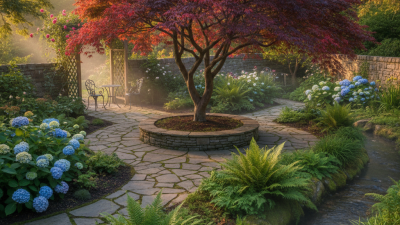
Japanese maples are known for their stunning foliage. They thrive in partial shade and add vibrant colors during autumn. Evergreens, like holly or pine, provide year-round greenery. They are essential in winter landscapes. Additionally, flowering trees, such as cherry or magnolia, bring seasonal beauty. However, these require specific climatic conditions. They may not flourish in all regions.
Placement is vital. Trees should complement your existing landscape. Evaluate soil type and sunlight before planting. It’s easy to underestimate their mature size. Research reported that 30% of homeowners plant trees too close together. Embrace the process, learn from mistakes, and ensure a harmonious design that fits your space.
How to Choose the Perfect Garden Decor Tree for Your Space? - Exploring Different Types of Garden Decor Trees
| Type of Tree |
Height (ft) |
Sunlight Requirement |
Water Needs |
Ideal Location |
| Japanese Maple |
10 |
Partial Shade |
Moderate |
Garden Borders |
| Dwarf Pomegranate |
4 |
Full Sun |
Low |
Small Gardens |
| Citrus Tree |
8 |
Full Sun |
Moderate |
Patios |
| Bonsai Tree |
2 |
Indirect Sunlight |
Low |
Indoor or Small Spaces |
| Olive Tree |
15 |
Full Sun |
Low |
Mediterranean Gardens |
Considering Maintenance Needs and Lifespan
When choosing a garden decor tree,
maintenance needs and lifespan
are crucial factors. Trees that require less maintenance are often more appealing. For instance, a study by the American Society of Landscape Architects highlights that 70% of homeowners favor low-maintenance options. This makes sense; fewer resources are spent on upkeep.
Consider the lifespan of the selected tree. Short-lived trees may offer beauty for a time but could lead to more frequent replacements. Research shows that long-lived trees can thrive for decades. For instance, some species can live over 100 years, reducing long-term costs. However, longevity often comes with higher initial care requirements. Finding a balanced choice is essential.
Yet, challenges may arise. Some trees may not adapt well to their environment. Regions with extreme weather conditions can impact tree health. Therefore, local climate conditions should guide your selection.
Investing time in research can prevent future regrets. Perhaps, a tree that needs regular pruning could become a burden over time. Always weigh the aesthetic appeal against practical maintenance needs.