Top Potted Artificial Plants for Your Home or Office Decor?
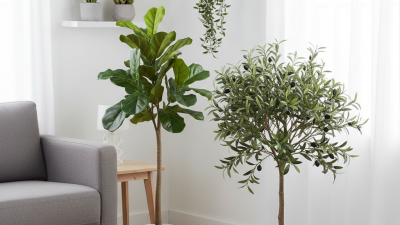
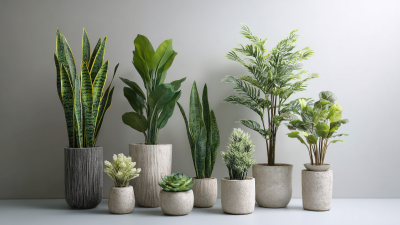
When it comes to enhancing the ambiance of your home or office, Potted Artificial Plants offer an ideal solution. These versatile decorations not only provide aesthetic appeal but also require minimal maintenance. According to Dr. Emily Green, a leading expert in interior design, “Potted Artificial Plants can transform any space into a green oasis without the fuss.” Her insight underscores the growing popularity of these plants in modern decor.
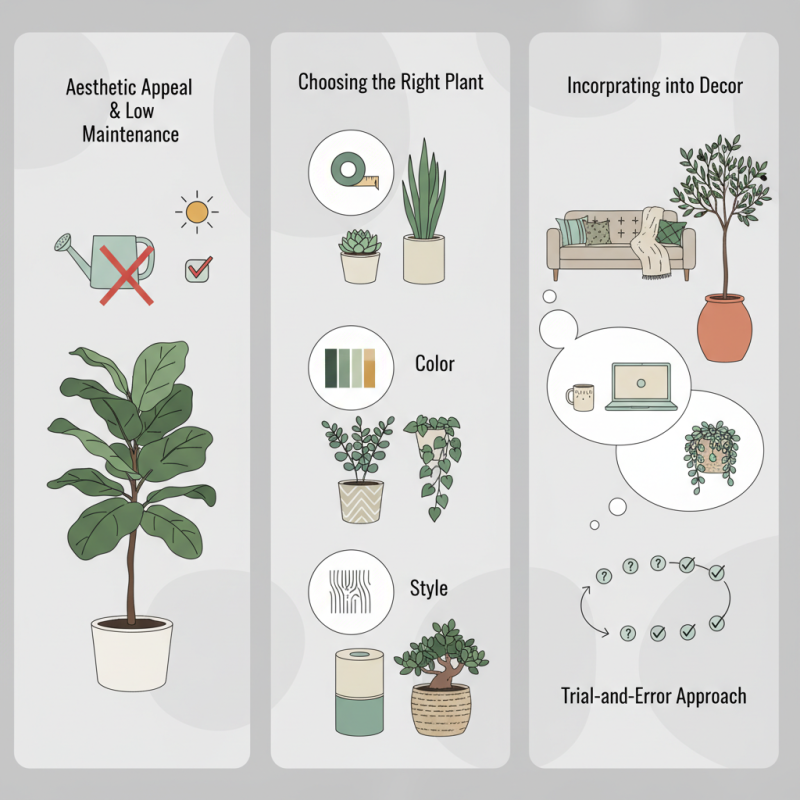
Choosing the right Potted Artificial Plants can be a challenge. With a plethora of options, it's essential to consider size, color, and style. An oversized leafy plant can serve as a stunning focal point, while smaller varieties can fill gaps and add vibrancy. It's a delicate balance between decor and personal taste. Sometimes, you may find that the artificial plant you loved online doesn’t fit your space as you anticipated.
Incorporating Potted Artificial Plants requires thoughtful planning. While they offer convenience, they should complement your existing decor. Think about the textures and colors around them. Reflecting on these details can elevate your decor. Embrace a trial-and-error approach to discover what works best for you.
Types of Potted Artificial Plants for Various Decor Styles
When it comes to decorating your space, potted artificial plants can make a significant impact. Consider your decor style before selecting types of plants. For modern settings, sleek designs with geometric shapes work well. Cacti and succulents are popular choices due to their minimalist appeal. They require minimal maintenance and can add a vibrant touch.
In contrast, if you prefer a more traditional aesthetic, opt for lush greenery. Ferns or peace lilies bring a classic vibe. These plants can fill empty corners or create focal points. They work especially well in warm, inviting spaces. Adding elements like a rustic pot can enhance their charm.
**Tips:** Mix and match different types of plants. This can create depth and visual interest. Don't shy away from experimenting with various sizes. Larger plants can dominate a space while smaller ones can accentuate features. Placement is key; look for spots that receive indirect light to mimic natural conditions. Each choice impacts the atmosphere, and sometimes, finding balance is a journey. Embrace imperfections; not all combinations will feel right the first time. Reflect on adjustments needed until you find your perfect arrangement.
Factors to Consider When Choosing Artificial Plants for Your Space
When choosing artificial plants for your home or office, several factors are essential. First, consider the aesthetics. Your plants should match your decor. Data shows that about 74% of people feel more relaxed with greenery in their environment. Selecting the right colors and shapes can enhance your space, adding harmony and warmth.
Next, pay attention to the size. Larger plants can serve as focal points, while smaller ones work well in corners. A report indicated that people often choose plants that occupy about 20% of their vertical space without overwhelming other decor. Quality is crucial too; opting for high-quality materials ensures longevity and a realistic appearance.
Lastly, maintenance needs are a critical aspect. While artificial plants require less care than real ones, they still need occasional cleaning. Dust can accumulate, dulling their appearance. It’s vital to regularly assess their condition to maintain a fresh look in your space. Many individuals overlook this detail, thinking that no upkeep is needed. Evaluating these factors can lead to a more satisfying decor choice.
Top Potted Artificial Plants for Your Home or Office Decor
| Plant Type |
Height (inches) |
Material |
Light Requirement |
Price Range |
| Fiddle Leaf Fig |
60 |
Plastic |
Bright Indirect Light |
$50 - $100 |
| Snake Plant |
24 |
Silk |
Low Light |
$30 - $60 |
| Pothos |
36 |
Plastic |
Low to Bright Light |
$25 - $50 |
| Peace Lily |
30 |
Silk |
Low Light |
$40 - $80 |
| Rubber Plant |
50 |
Plastic |
Bright Indirect Light |
$60 - $120 |
Maintenance Tips for Keeping Artificial Plants Looking Fresh
Artificial plants can add a touch of greenery to your home or office. However, keeping them looking fresh requires some care and attention. To maintain their vibrant appearance, regular dusting is essential. Use a microfiber cloth or a soft brush to wipe away dust. This simple step can make a huge difference in their overall look.
Consider the placement of your artificial plants. If they are near windows, they can fade over time. To counteract this, occasionally rotate them to ensure even exposure to light. This small adjustment can help maintain their color. Additionally, don’t forget to check for any signs of wear, like peeling leaves. Such imperfections can detract from their appeal.
Another tip is to avoid using any harsh chemicals on your artificial plants. Water mixed with a few drops of dish soap is often enough for cleaning. After washing, let them dry completely. This can prevent any moisture buildup that may lead to mold growth. Remember, even artificial plants need a little love to look their best.
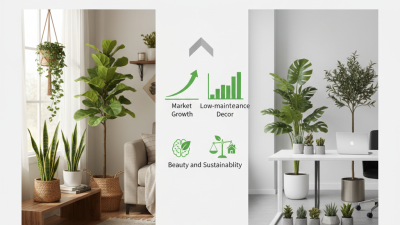
Top Potted Artificial Plants Popularity
Best Brands and Materials for Quality Artificial Plants
When choosing artificial plants, the material matters significantly. High-quality options often include silk and polyester. These materials mimic real leaves and flowers, adding a touch of authenticity. Silk plants can feel soft to the touch. On the other hand, polyester is durable and resistant to fading over time.
The construction of the plants also plays a role. Look for those with detailed veins on leaves or textured surfaces. Some budget options may lack these features, making them look less realistic. Keep in mind that visual appeal is essential, but durability is equally important. Over time, low-quality materials can deteriorate, losing their original charm.
Maintenance is another consideration. Quality artificial plants require minimal upkeep. A simple dusting every few weeks helps maintain their appearance. However, even the best options can gather dust. Remember, it’s okay if they don’t look perfect. A small imperfection can add character. Embrace the balance of beauty and reliability in your selection.
Creative Ways to Arrange Potted Artificial Plants in Your Home or Office
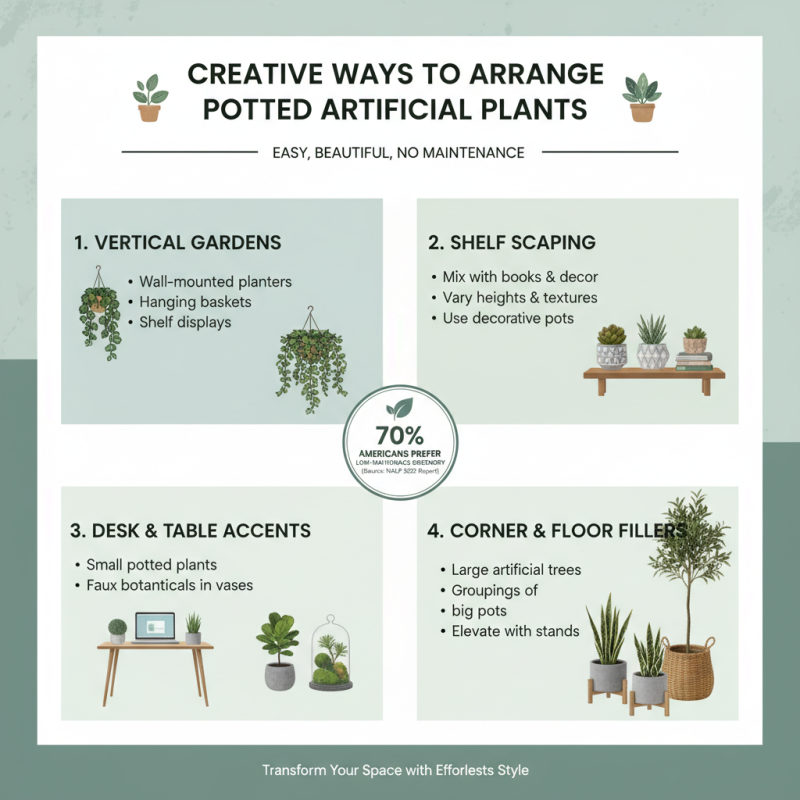
Arranging potted artificial plants can transform your space, adding vitality without the hassle of maintenance. According to a 2022 report by the National Association of Landscape Professionals, 70% of Americans prefer low-maintenance greenery in their homes and offices. This trend makes artificial plants a perfect choice.
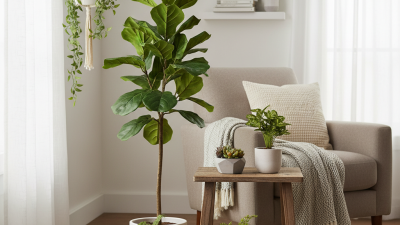
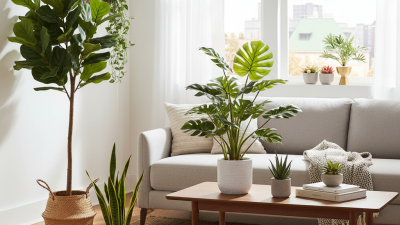
When placing these plants, consider contrasting sizes. A tall, slender plant can dominate a corner, while smaller pots balance out the arrangement on tables or shelves. Group plants of varying heights to create depth. For example, pair a 4-foot ficus with smaller succulents. This combination creates visual interest and utilizes vertical space effectively, making rooms feel more open.
**Tip:** Use decorative pots that complement your decor style. They enhance the overall aesthetic and can be a conversation starter.
Lighting is vital. Place plants near natural light, but avoid direct sunlight. Most artificial plants fade in bright light, diminishing their appeal. Some need an occasional dusting to remain realistic. A gentle wipe with a damp cloth can keep them looking fresh. The right arrangements can bring joy and a sense of calm, but remember that even artificial plants need thoughtful placement.