2026 Best Potted Artificial Plants for Home and Office Decor Ideas?
Potted Artificial Plants have gained immense popularity in recent years. According to a recent market research report by Grand View Research, the artificial plants market is projected to reach $4.1 billion by 2028, growing at a CAGR of 7.2%. This surge indicates a shift in consumer preferences toward low-maintenance decor options. As urban living continues to rise, many people seek aesthetics without the upkeep of real plants.
Expert horticulturist Dr. Sarah Thompson emphasizes, “Potted Artificial Plants offer versatility and timeless beauty for both homes and offices.” This statement reflects the growing need for functional yet attractive decor. The right artificial plants can enhance any space, providing a welcoming atmosphere and improving mental well-being.
Yet, it is essential to choose wisely. Not all artificial plants are created equal. Some may appear overly synthetic and detract from your decor. Consumers should pay attention to quality and realism to ensure they achieve the desired effect. Investing in higher-quality Potted Artificial Plants may yield better results. The balance of beauty and sustainability remains a constant consideration.
Top Trends in Potted Artificial Plants for 2026 Home Decor
In 2026, potted artificial plants are on track to redefine home and office decor. According to industry reports, the artificial plant market is projected to reach $2.8 billion globally. This growth showcases the demand for low-maintenance greenery in interior design. More people are embracing the aesthetic appeal and convenience these plants offer.
One emerging trend is the use of realistic textures and colors. Consumers seek lifelike details in their potted plants. Research shows that 45% of buyers prioritize realism when selecting artificial greenery. Those details create a more inviting atmosphere. However, many products still fail to capture the authentic look of natural plants, leading to disappointment.
Sustainable materials are also gaining traction. Shoppers are becoming more environmentally conscious. A report revealed that 30% of customers prefer eco-friendly options. This shift reflects a broader trend toward sustainability in decor. Yet, numerous artificial plants use plastic that is not always recyclable, sparking further reflection on their true environmental impact. Balancing aesthetics with sustainability remains a challenge for designers and consumers alike.
Choosing the Right Size and Style of Artificial Plants for Your Space
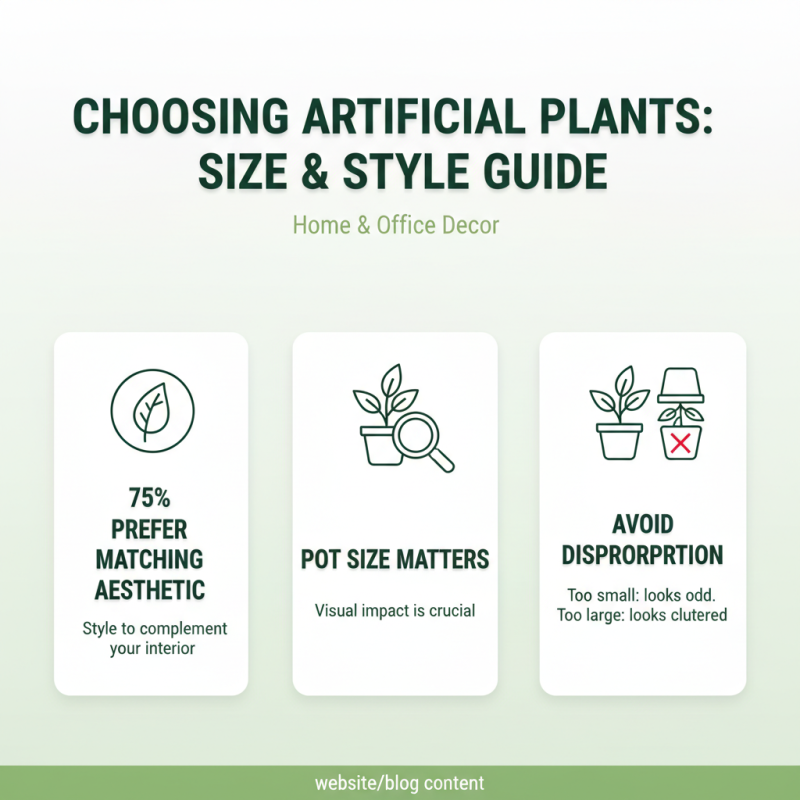
When it comes to artificial plants, size and style are crucial considerations for home and office decor. Studies show that 75% of consumers prefer plants that match their interior aesthetic. Choosing the right pot size can significantly impact the visual appeal. A pot that is too small can make a plant look disproportionate. On the other hand, an oversized pot may overshadow the plant itself, leading to a cluttered look.
Experts recommend a simple rule: select a pot that is one-third the height of the plant. This creates harmony in the arrangement. Additionally, styles should reflect the overall theme of your space. For instance, minimalist decor benefits from sleek, simple pots, while a bohemian style often calls for textured, colorful designs. A mismatch can distract from the intended atmosphere. Choosing the right plant type is also vital. Larger plants can fill empty corners, while smaller ones work well on desks or shelves.
Many consumers overlook the importance of arrangement. Even the best artificial plant can appear artificial if not placed thoughtfully. A study revealed that 62% of individuals believe that placement enhances the natural feel of faux plants. Regularly reassess the arrangement to ensure it complements your changing decor. This thoughtful approach guarantees that your artificial plants will enhance your space effectively.
Best Materials for Durable and Realistic Artificial Potted Plants
When selecting artificial potted plants for decor, choosing the right materials is crucial. Many consumers prefer materials that mimic real plant textures. Polyethylene (PE) and polypropylene (PP) are popular choices. These materials boast durability and resistance to wear. Reports indicate that plants made from these materials last longer, retaining their appearance for years without fading.
Incorporating faux plants crafted from silk can enhance the visual appeal as well. Silk provides a soft touch, making it harder to distinguish from real foliage. However, silk plants may require more care, as they can accumulate dust and require cleaning. According to industry data, about 30% of users have reported dissatisfaction with silk plants due to maintenance issues.
Moreover, foam and plastic blends offer a lightweight, yet realistic alternative. These mixtures can closely resemble the shape and color of natural plants. Nevertheless, some users found them less stable, particularly in windy environments or high-traffic areas. Balancing beauty with practicality is essential when choosing artificial potted plants for home and office spaces.
2026 Best Potted Artificial Plants for Home and Office Decor
Creative Arrangement Ideas for Artificial Plants in Home and Office
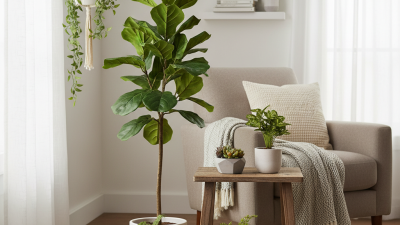
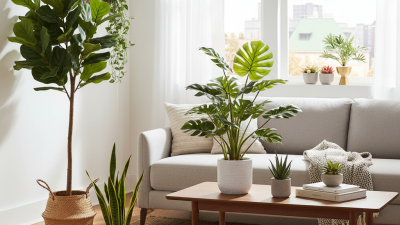
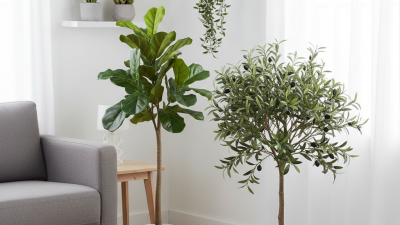
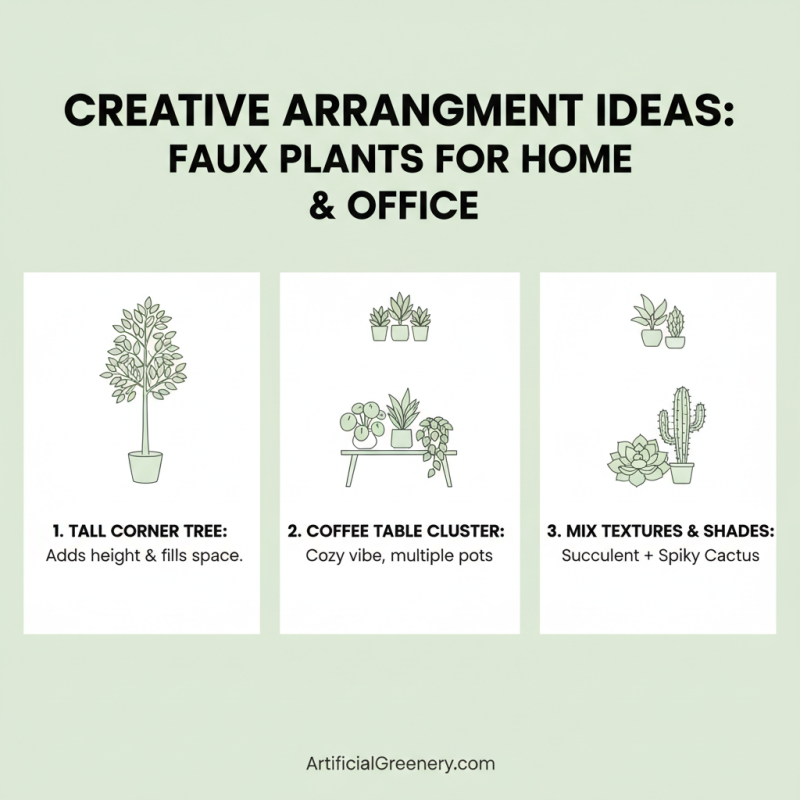
When arranging artificial plants in home and office spaces, creativity is key. Start by placing a tall faux tree in a corner. This adds height and fills empty spaces. A small cluster of potted plants on a coffee table can create a cozy vibe. Mix different textures and shades for visual interest. For instance, pair a soft succulent with a spiky cactus. This contrast can evoke a sense of balance.
Consider using shelves or bookcases for an arrangement. Layer plants at different heights to create depth. Place small pots on lower shelves and larger ones on top. This hierarchical display engages the eye and adds dimension. Wall-mounted planters offer another creative approach. They free up space while adding greenery vertically.
Incorporate unexpected items, like vintage containers or jars, to house your plants. It’s a fun way to personalize your space. Experiment with various arrangements until you find what feels right. Each setup can reflect different moods or themes. Remember, not every arrangement will work perfectly the first time. Be prepared to adjust and refine as needed. This trial-and-error process can lead to beautiful, unique arrangements.
Maintenance Tips for Keeping Artificial Plants Looking Fresh and Lifelike
Artificial plants can enhance any space, but keeping them looking fresh is essential. With proper care, your potted plants can last for years. Here are some effective maintenance tips.
Dust your artificial plants regularly. Use a soft cloth or feather duster to gently remove dust. This helps them maintain a lifelike appearance. Don’t forget to pay attention to the leaves. They can accumulate dirt, making them look dull.
Occasionally, wipe the leaves with a damp cloth. This not only removes grime but also brings out their colors. For stubborn stains, a gentle soap solution works wonders. Rinse thoroughly and allow them to dry completely before displaying.
Consider their location. Place artificial plants away from direct sunlight to avoid fading. They can also accumulate dust faster in high-traffic areas. If they look too perfect, you might want to rearrange them occasionally. This adds an element of naturalness to your decor. With these tips, your artificial plants will always look vibrant and inviting.
2026 Best Potted Artificial Plants for Home and Office Decor Ideas
| Plant Type |
Size (Height) |
Material |
Ideal Location |
Maintenance Tips |
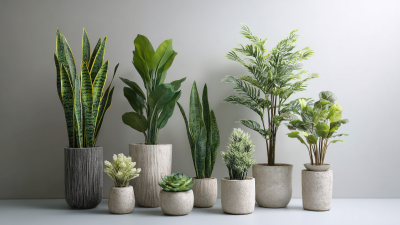
| Fiddle Leaf Fig |
3 ft |
PVC/Plastic |
Living Room, Office |
Dust weekly; wipe leaves with a damp cloth. |
| Snake Plant |
2.5 ft |
Silk |
Bedroom, Office |
Occasionally clean with water and a soft cloth. |
| Pothos |
2 ft |
Plastic |
Kitchen, Office |
Wipe down leaves to remove dust as needed. |
| Rubber Plant |
4 ft |
Synthetic Fibers |
Living Room, Office |
Keep out of direct sunlight; dust leaves occasionally. |
| Boston Fern |
3 ft |
Polyester |
Bathroom, Office |
Use a damp cloth to keep leaves vibrant. |