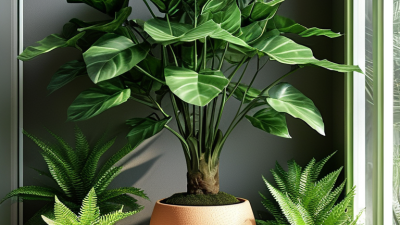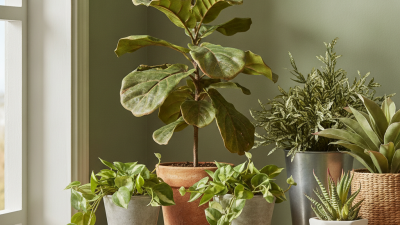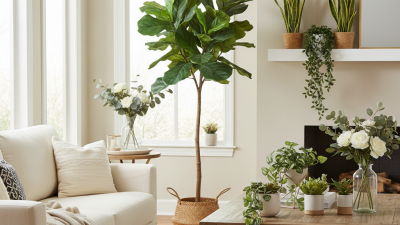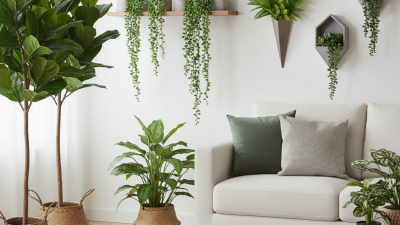
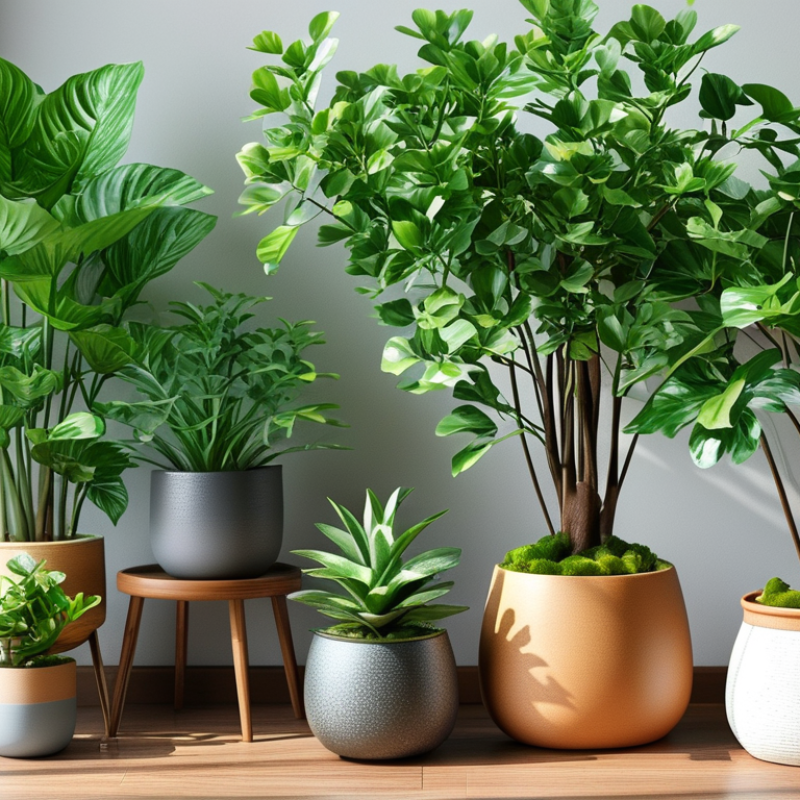
Choosing a potted artificial plant starts with the space, not the pot. Measure the available width, height, walking clearance, and viewing distance. In a narrow hallway, a slim planter prevents shoulder contact. In a large lobby, one undersized plant may look accidental.
Light still matters, even without watering. Strong window light can fade leaves and weaken plastic stems over time. The Illuminating Engineering Society recommends about 300 to 500 lux for many office tasks, but decorative areas may use less. Check the brightest spot during midday. Artificial greenery usually looks richer beside soft, indirect light than under harsh ceiling glare.
Style should follow the room’s visual language. Matte pots suit quiet bedrooms, while textured ceramics add interest to plain reception areas. The Environmental Protection Agency reports that people spend approximately 90% of their time indoors, making visual comfort a practical design concern. Choose leaf shapes that repeat nearby forms, such as narrow foliage beside linear furniture.
Do not ignore scale.
A useful trial is simple. Place a temporary plant form in the room for one day, then photograph it from seated and standing positions. I have found that attractive plants can still block sightlines or crowd a doorway. That judgment is subjective, and one test cannot predict every visitor’s response. Recheck dust, color fading, and pot stability after installation. Even artificial plants need maintenance.