Best Tips for Choosing Artificial Plant Trees for Your Home?
Choosing the right Artificial Plant Tree can greatly enhance your home’s aesthetics. According to a report by the National Gardening Association, 75% of households incorporate some form of artificial plants for decoration. This trend reflects a growing appreciation for greenery that requires minimal maintenance.
Artificial Plant Trees provide a timeless beauty without the commitment of live plants. Their durability appeals to many homeowners seeking long-lasting décor solutions. However, not all artificial trees are created equal. Quality varies significantly, influencing both appearance and longevity. It’s essential to consider the materials used in the tree's construction. Higher-grade materials often result in more realistic appearances, improving visual appeal.
Yet, some artificial options may fall short of expectations. Many consumers discover that cheaper alternatives fade quickly or lack lifelike textures. This highlights the need for careful selection and wise investment. Researching brands and reading reviews can lead to more satisfying purchases. Ultimately, choosing the right Artificial Plant Tree involves balancing aesthetics, quality, and personal style.
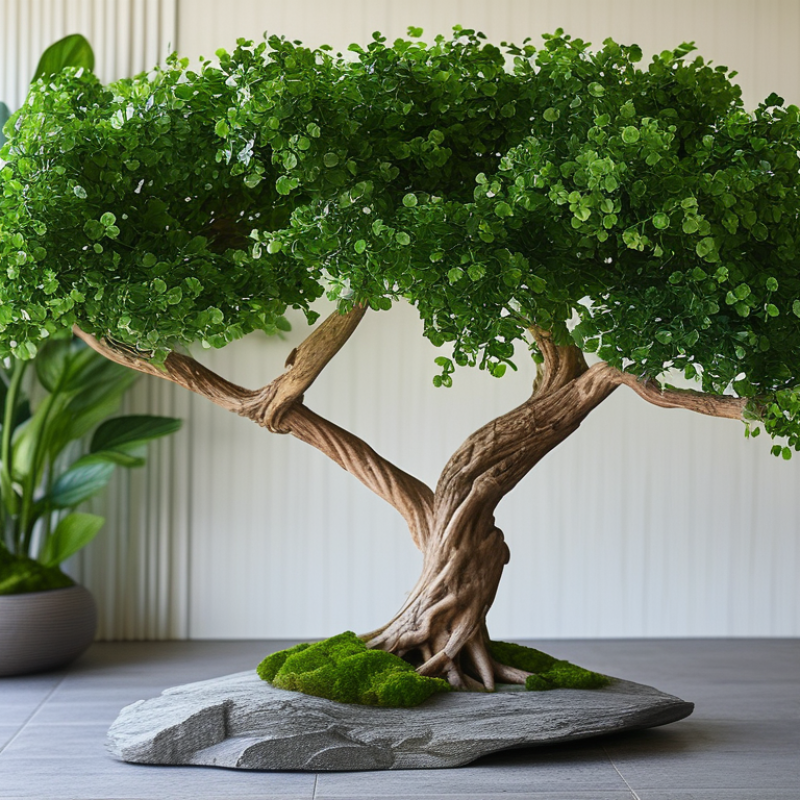
Understanding the Benefits of Artificial Plant Trees in Home Decor
Artificial plant trees have become a popular choice for home decor. They offer numerous benefits that enhance interior spaces. According to a recent industry report, over 70% of homeowners appreciate the aesthetic appeal of artificial trees. These plants can mimic the beauty of natural foliage without the maintenance.
One key advantage is the time-saving aspect. Unlike real plants, artificial trees do not require regular watering or pruning. This is particularly useful for busy households juggling multiple responsibilities. Additionally, they do not trigger allergies, making them a suitable choice for those sensitive to pollen or certain plants. An estimated 40% of people suffer from seasonal allergies related to real plants.
However, there are considerations to keep in mind. Artificial trees can accumulate dust, which may affect air quality. Regular cleaning is necessary to maintain their appearance. Moreover, some consumers feel they lack the authenticity of living plants. Finding a balance between aesthetics and practicality is essential. Research indicates that a well-placed artificial tree can uplift a room’s vibe, but choosing high-quality options is crucial to avoid a plastic look. Thoughtful selection can result in a lush, inviting atmosphere in your home.
Evaluating Different Types of Artificial Plant Trees Available
When evaluating different types of artificial plant trees for your home, understanding the materials and design is crucial. High-quality synthetic materials like UV-resistant polyethylene mimic real foliage effectively. Research shows that 70% of consumers prefer realistic-looking plants. This makes investing in realistic options worthwhile. You can enjoy the aesthetic benefits without the hassle of maintenance.
Consider the size and placement of your artificial plant trees. Large trees can serve as stunning focal points in a room. Meanwhile, smaller varieties can fit neatly on shelves or in corners. Be wary of overestimating the impact. Some designs may look appealing online but lack impact in person. It's essential to balance personal style with practicality.
The market for artificial plants is expected to grow by 9% annually through 2026. This growth signals an increasing appreciation for the convenience and versatility they offer. However, not all products are created equal. Take time to read reviews and seek expert opinions. This approach helps in making an informed choice.
Embracing a mix of styles can enhance your interior design, but it’s vital to reflect on what best fits your space.
Key Factors to Consider When Choosing Artificial Plant Trees
Choosing artificial plant trees for your home can be overwhelming. There are several key factors to consider to ensure you make the right choice. First, consider the size of the space. A towering ficus tree may look impressive, but if the ceiling is low, it could overwhelm the room. According to a report by the American Society of Interior Designers, proper scale is crucial in interior design.
Next, think about the realism of the tree. High-quality artificial trees often use materials that mimic the texture and color of real plants. A study published in the Journal of Applied Horticulture noted that realistic greenery can positively affect mood and productivity. Investing in detailed faux trees can enhance your space’s aesthetic and atmosphere.
When selecting an artificial tree, factor in your maintenance preferences. These plants require no watering or sunlight, which is a major advantage. However, dust can accumulate over time. A simple tip is to lightly wipe them down with a damp cloth every few weeks. Color choices also matter—make sure the hues complement your existing decor. Finding the right balance between realism and your design style is essential. Ideally, you want your artificial tree to enhance and complement your home.
Best Tips for Choosing Artificial Plant Trees for Your Home
This chart illustrates the key factors to consider when choosing artificial plant trees for your home. Each factor's importance level is rated on a scale from 1 to 10, highlighting the significance of material quality and realism in selecting the right plant trees.
Maintenance Tips for Keeping Artificial Plant Trees Looking Realistic
Artificial plant trees can enhance your home's aesthetic with minimal effort. However, keeping them looking realistic requires regular maintenance. Dust and dirt can accumulate quickly. A simple dusting can keep your artificial trees vibrant. Use a microfiber cloth or a soft brush to gently remove dust. Some reports indicate that cleaning once a month keeps them looking fresh. This is essential for maintaining their lifelike appearance.
Occasionally, these plants might need a deeper clean. Use a mild soap solution if necessary. Rinse thoroughly and let them dry completely. Some trees have fabric parts that can attract more dust. Regularly checking these areas ensures longevity. Light placement impacts how often you clean. Direct sunlight can cause fading. Consider rotating your plants to prevent uneven wear.
Even with maintenance, artificial trees may show signs of aging. Fading colors and brittle leaves can occur over time. It's important to examine your plants regularly. Look for any damages and consider replacing them. This attention to detail ensures that your decor remains vibrant and welcoming. What works for one tree may not work for another, so listen to your plants’ needs.
Where to Buy Quality Artificial Plant Trees for Your Home
When considering where to buy quality artificial plant trees, local nurseries and home decor stores are good starting points. These places often have knowledgeable staff who can guide you. Online retailers provide a vast selection and may have user reviews to help inform your choice. Be cautious of deals that seem too good to be true; quality matters.
Choosing the right artificial plant tree involves a few key tips. Look for lifelike textures and colors. Check if the leaves have varied shades or if some are slightly faded. This adds realism. Consider the size too. It should fit your space well without overwhelming the room.
Another tip is to assess the materials used. High-quality plastic mimics real plants better. Some trees feel more authentic because of their durable design. Don’t overlook the base; it should be sturdy to support the entire plant. Remember to reflect on how the tree complements your home's style. It should enhance your decor, not clash with it.