Choosing the best potted artificial plants for your home is essential for enhancing interior aesthetics. According to a recent industry report by the National Gardening Association, the market for artificial plants has grown by over 40% in the past five years. This growth indicates a rising preference for low-maintenance greenery among homeowners.
Expert botanist Dr. Laura Reed states, “Potted artificial plants can elevate any space without the worry of upkeep.” Her insights emphasize the practicality of choosing quality designs that mimic real foliage. However, not all potted artificial plants are created equal. Some may look convincingly real, while others fail to capture the essence of natural beauty.
It's important to consider factors like material and realism when selecting these items. Poor-quality options can appear plastic and cheap, detracting from your decor. While potted artificial plants offer many advantages, one must carefully evaluate selections to ensure they fit your vision. Celebrating imperfections in your plant choices can also lead to a more textured and interesting environment.
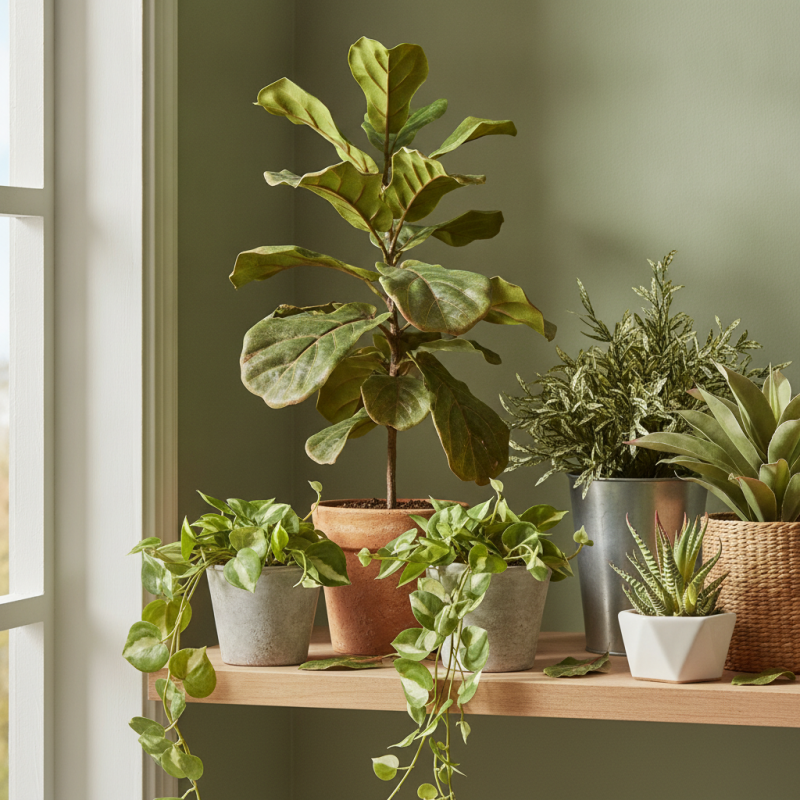
When selecting potted artificial plants for your home, several factors can affect your choice. One key consideration is the material. High-quality materials like polyethylene and polyester are durable and have a realistic look. According to a recent industry report by Statista, the global artificial plant market is projected to reach $2.67 billion by 2027, showcasing the growing demand for realistic-looking decorations.
Another factor is maintenance. Artificial plants require less care, but dust can accumulate. A weekly wipe-down may be necessary to maintain their appeal. This is often overlooked. Additionally, the size and placement of the plants are crucial. A smaller plant can enhance a bookshelf, while larger ones can fill empty corners. Ensure you measure the space accurately before purchasing.
Color and style should resonate with your home’s decor. Research indicates that greenery can boost mood and productivity by up to 15%. However, overusing artificial plants might lead to a cluttered feel. Aim for a balanced approach. Choose varieties that complement each other. For example, pairing leafy greens with pops of colorful flowers can create visual interest without overwhelming the space.
| Factor | Description | Recommended Options |
|---|---|---|
| Material Quality | Look for high-quality materials that can withstand wear and tear. | Silk, Plastic, Polyethylene |
| Realism | Choose plants that replicate the appearance of real plants closely. | Realistic Textures, Variegated Leaves |
| Size | Consider the size of the space where the plant will be placed. | Tabletop, Floor Plants, Small Pots |
| Color | Select colors that match your home decor and enhance the space. | Greenery, Blooming Options, Foliage |
| Maintenance | Opt for low-maintenance plants that require minimal care. | Dusting, Occasional Cleaning |
| Price | Balance cost with quality; higher price often means better quality. | Budget options, Mid-range, Premium |
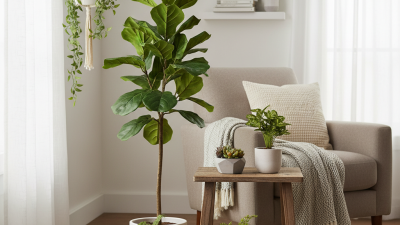
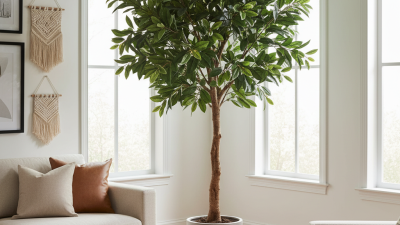
When selecting potted artificial plants, consider your home style. Different types enhance various aesthetics. For a modern look, minimalist designs work best. Simple lines and neutral colors blend seamlessly. A tall, slender faux snake plant can elevate a sleek space without overwhelming it.
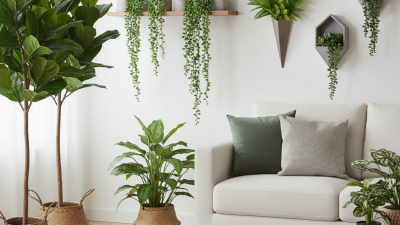
For a bohemian vibe, opt for lush arrangements. Varieties like artificial ferns and trailing ivy add texture and warmth. These plants can contrast well with rustic furniture. A grouping of pots at varied heights creates a dynamic focal point. Remember, too much can feel cluttered, so balance is key.
Country or farmhouse styles benefit from plants that evoke nature. Consider sunflowers or herbs in rustic pots. These elements bring a cozy charm. A few imperfections in pot finishes can add character. However, avoid anything that looks overly artificial; authenticity matters. Always reflect on how these choices resonate with your space.
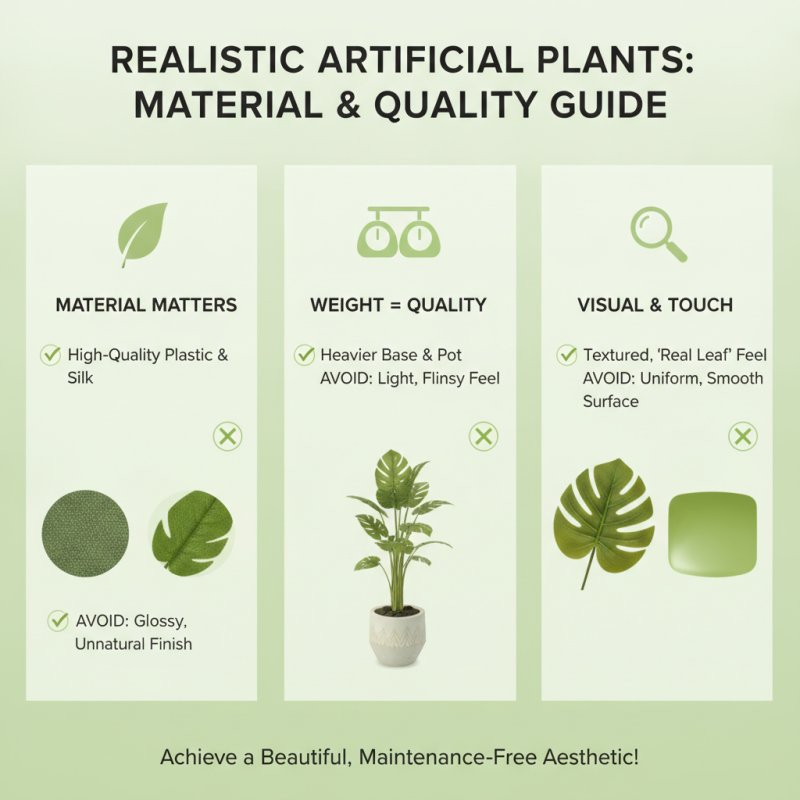
Choosing the right material for potted artificial plants is crucial for achieving a realistic look. Look for materials like high-quality plastics and silk, which mimic the texture of real leaves. Cheaper options often look glossy and unnatural. The weight can also indicate quality; heavier plants tend to be made from sturdier materials. These details make a big difference in aesthetic appeal.
Another important aspect is color. A realistic plant should have a range of shades, reflecting how light interacts with leaves in nature. A uniform color can appear fake. Natural plants have subtle color variations. Pay attention to the edges and veins of leaves. They should be detailed and not excessively smooth. Imperfections can enhance realism and bring a touch of authenticity.
Furthermore, consider how often you will move or rearrange these plants. Less durable materials might show wear over time. A balance between durability and aesthetics is key. The investment in quality may mean a higher upfront cost, but it results in a more convincing and appealing display in your home.
When it comes to potted artificial plants, proper maintenance is crucial for prolonging their lifespan. Dust can accumulate on leaves over time, making them appear dull. To maintain their vibrant look, wipe the leaves regularly with a damp cloth. This simple step keeps them looking fresh. Use a gentle cleaning solution if necessary, but avoid harsh chemicals that might damage the material.
Regularly check for signs of fading due to sunlight exposure. While artificial plants are designed to resist color loss, prolonged direct sunlight may still affect their appearance. Rotate your plants occasionally to ensure even light exposure and minimize fading. If a plant seems overly worn, consider replacing it; it may be more noticeable than you realize.
Occasionally, artificial plants can develop a static charge, attracting dust and dirt. In this case, a soft brush can be quite helpful. A simple brush will dislodge dust, making maintenance easier. Even though they require less care than real plants, neglect can lead to a less appealing home environment. Keeping up with minor upkeep can make all the difference in the long run.
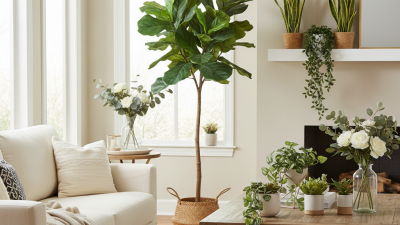
When enhancing your home with potted artificial plants, placement is key. Consider the living room. This is often where guests gather. Placing a tall plant in a corner can create height and draw the eye. A compact plant on a coffee table fosters intimacy in seating areas. According to a report by the National Gardening Association, 78% of homeowners feel that plants elevate their space. Yet, the wrong placement can have the opposite effect.
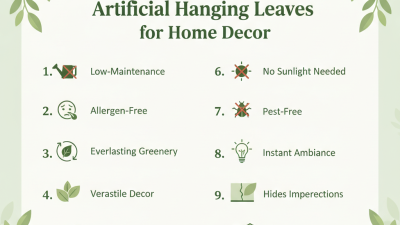
The entrance area is another important spot. A welcoming display of potted plants can make a lasting first impression. Hanging planters can save space while adding dimension. Research by the Royal Horticultural Society indicates that greenery can improve mood and well-being by around 60%, offering an unseen benefit to your home. Many overlook the impact of light. Ensure your plants are situated where they can be seen but not overshadowed.
Color coordination with your furniture and walls is also crucial. A bright green plant can contrast beautifully against neutral tones. However, using too many or clashing colors can look overwhelming. To avoid this, opt for a cohesive theme throughout your home. Each placement should feel intentional. Be mindful that even artificial plants can create clutter if they are not arranged thoughtfully.