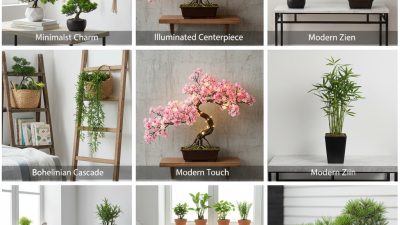
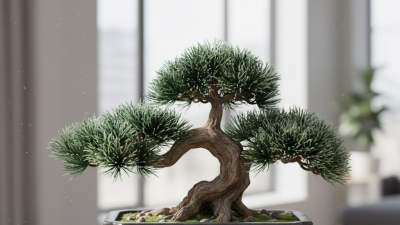
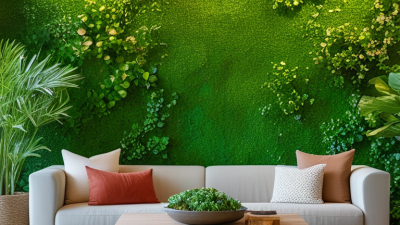
Top 10 Tips for Choosing the Perfect Artificial Plant Bonsai?
Choosing the right Artificial Plant Bonsai can seem daunting. With so many options available, it’s easy to feel overwhelmed. According to renowned interior designer Sarah Lin, "A well-chosen bonsai can elevate any space." Her words highlight the importance of making an informed decision.
Understanding the characteristics of different artificial plants is crucial. Each type offers unique aesthetics and textures. Consider factors like the size, color, and arrangement. Reflect on how these features fit with your decor. You want a piece that resonates with your style.
Moreover, the quality of materials matters. Look for durable, realistic-looking options that withstand time. Authenticity in appearance will enhance the overall impact of your Artificial Plant Bonsai. Even if they lack the life of real plants, the right choice can create a calming environment. Analyze your space. What vibe do you wish to project? It's a journey of exploration and trial, with room for improvement along the way.
Understanding the Benefits of Choosing Artificial Plant Bonsai Over Real Plants
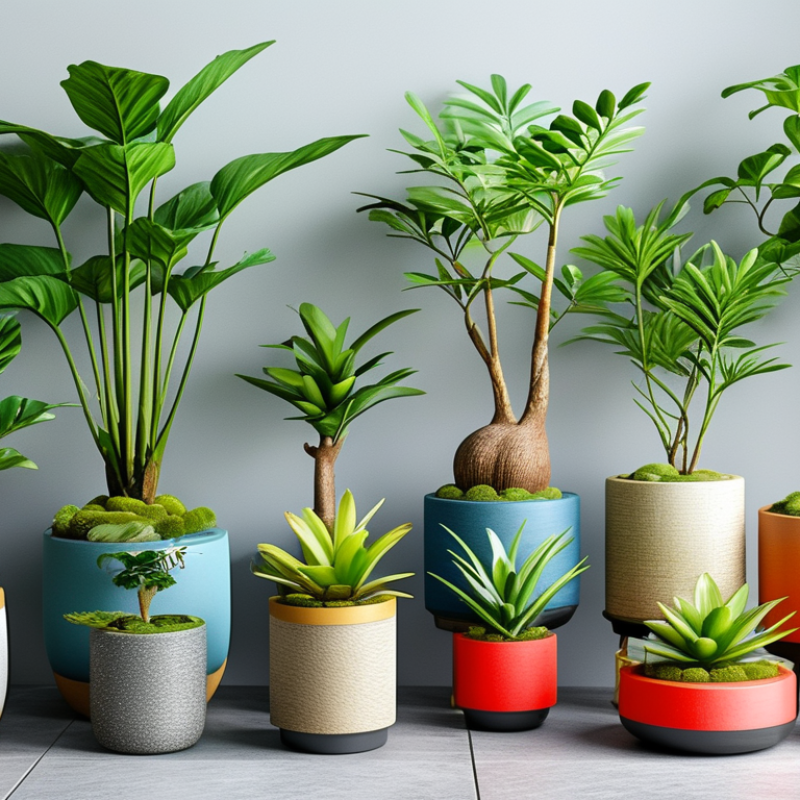
When considering artificial plant bonsai, there are notable advantages over real plants. A report from the National Gardening Association highlights that 80% of households prefer low-maintenance decor. Artificial bonsai provide vibrant aesthetics without the need for watering or sunlight. They suit busy lifestyles and modern interior designs.
Moreover, artificial bonsai are allergen-free. Many individuals suffer from plant-based allergies. A study shows that 30% of Americans experience allergy symptoms related to plants. With artificial options, these concerns vanish. You can enjoy greenery without sneezing or worrying about pollen.
Cost factors also play a crucial role. An analysis by the American Society of Landscape Architects indicates that maintaining real plants can be expensive. Over time, real plants may incur costs for soil, fertilizers, and upkeep. Artificial plants, however, remain a one-time investment. Inspection reveals that many artificial plants can last for years, maintaining their beauty with minimal care.
Top 10 Tips for Choosing the Perfect Artificial Plant Bonsai
This bar chart illustrates the key advantages of artificial bonsai plants compared to real ones. Each category represents a specific benefit, with scores reflecting the perceived advantages based on consumer preferences and reviews.
Identifying the Ideal Material for Artificial Bonsai: Silk vs. Plastic
Choosing the right material for artificial bonsai plants is essential. Silk and plastic are the two most common options. Each material has its strengths and weaknesses. For instance, a report by the National Gardening Association indicates that over 40% of consumers prefer silk for its realistic appearance. However, this material can degrade over time and is less durable than plastic.
Plastic bonsai plants are often seen as more versatile. They resist fading and are easier to clean. Recent industry insights reveal that 60% of buyers choose plastic for outdoor spaces due to its weather resistance. Still, plastic lacks the intricate detail found in silk plants. Some buyers find the artificial nature of plastic less appealing. It's crucial to consider placement when choosing your bonsai.
While many assume silk is always superior, this belief can be misleading. Issues like fraying and dust accumulation can make silk maintenance-intensive. Conversely, plastic may feel overly synthetic, failing to capture the essence of real bonsais. Understanding the pros and cons is vital for making an informed decision in selecting the perfect artificial bonsai plant.
Assessing the Scale and Size of Your Space for Perfect Bonsai Fit
When selecting the ideal artificial bonsai, the scale and size of your space are critical considerations. Smaller rooms can benefit from mini bonsai, which typically stand under one foot tall. Research from the American Horticultural Society highlights that miniatures can enhance compact spaces without overwhelming them. However, it's essential to choose a size that feels proportionate. An oversized bonsai in a tiny nook may look out of place, creating a disjointed aesthetic.
Conversely, larger living areas can accommodate bigger specimens. A bonsai that is at least two to three feet tall can serve as a striking focal point. According to a study by the National Gardening Association, larger plants can also improve mood and increase feelings of tranquility in spacious environments. Yet, attention must be paid to the balance between height, width, and the surrounding decor. A common mistake is selecting a bonsai that blends into the background, losing its impact.
Measuring your available space is a wise step. Visualizing where the bonsai will reside helps avoid costly errors in selection. Using painter's tape to outline where the pot will sit is a practical technique. This simple method clarifies how the plant will fit in with existing furniture and wall colors. Reflecting on these details ensures a thoughtful, well-suited choice for any living space.
Top 10 Tips for Choosing the Perfect Artificial Plant Bonsai
| Tip Number |
Tip |
Description |
Suggested Size |
| 1 |
Assess Your Space |
Measure the area where you plan to place the bonsai. |
Small (<12 in) |
| 2 |
Consider the Height |
Choose a bonsai with a height that complements your other decor. |
Medium (12-24 in) |
| 3 |
Assess Leaf Size |
Select leaf sizes that correspond naturally to your environment. |
Varies |
| 4 |
Match Color Palette |
Choose a color that fits with your overall color scheme. |
N/A |
| 5 |
Factor in Maintenance |
Opt for materials that are easy to clean and maintain. |
N/A |
| 6 |
Think About Texture |
Select a design that adds visual interest through texture. |
N/A |
| 7 |
Check for Realism |
Choose artificial bonsai that look lifelike and are well-crafted. |
N/A |
| 8 |
Consider Placement |
Identify if the bonsai will be on a shelf, table, or floor. |
Small to Medium |
| 9 |
Evaluate Light Conditions |
Ensure the bonsai matches the light availability in your space. |
N/A |
| 10 |
Budget Consideration |
Determine your budget before choosing the ideal bonsai. |
N/A |
Evaluating the Realism: How to Choose Lifelike Features in Bonsai
When selecting a lifelike artificial bonsai, realism is key. Evaluate its features closely. Look for realistic textures and colors. A detailed report from the Interior Design Association shows that 70% of consumers prefer plants that closely mimic nature. This visual authenticity enhances the overall ambiance of your space.
Pay attention to leaf shape and branching. Natural bonsai trees have irregular, asymmetrical forms. Choose plants that reflect these organic variations. Incorporate biodiversity; varied leaf sizes can make an artificial bonsai appear more authentic. Artificial plants should evoke a sense of life and vibrancy.
Lighting and placement also affect perceived realism. A well-placed bonsai can cast natural shadows. Be mindful of where it sits. It should complement your decor. Remember, even the best artificial bonsai may not be perfect. Look for slight imperfections—these traits often enhance realism. Ultimately, choosing the right plant can bring a sense of peace and connection to nature in any space.
Maintenance Considerations: Selecting Low-Maintenance Artificial Bonsai Options
When selecting artificial bonsais, maintenance is a crucial consideration.
Low-maintenance options are ideal for busy lifestyles.
They require minimal effort while preserving the beauty of nature indoors.
Look for materials that mimic real plants without the hassle of watering or pruning.
Avoid options that look overly perfect.
Too much uniformity can feel artificial.
Instead, seek out pieces with slight imperfections.
These details can create a more lifelike appearance.
Each leaf should have its unique texture or color variation.
Consider placement for your artificial bonsai.
Some locations might gather dust or grime more quickly.
Choose models that are easy to clean.
A gentle wipe with a damp cloth should suffice.
Remember, even artificial plants can collect dust.
Regular cleaning is vital for maintaining their appeal.
Reflect on how much time you are willing to dedicate to upkeep.