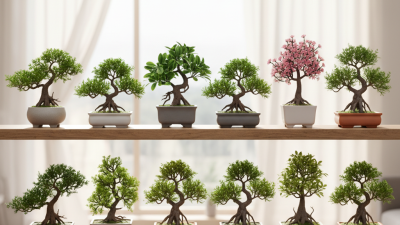
Top 10 Artificial Plant Bonsai Options for Global Buyers?
The popularity of Artificial Plant Bonsai has surged in recent years. According to market research, the global artificial plants market is expected to reach $2.09 billion by 2027, with a compound annual growth rate of 6.8%. This growth reflects a growing preference for low-maintenance home decor solutions. Customers are increasingly drawn to the beauty and versatility of these plants.
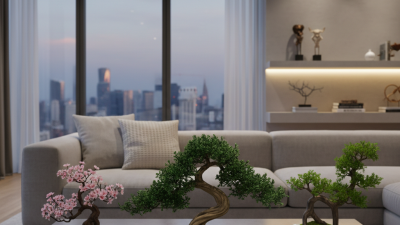
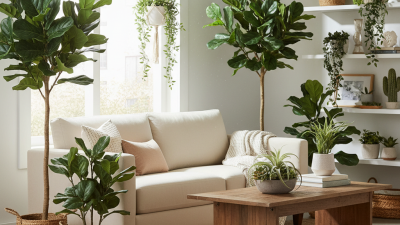
Artificial Plant Bonsai offers an elegant aesthetic without the need for watering or sunlight. They can enhance any space, from homes to offices. Reports indicate that consumers appreciate the realistic appearance and long-lasting quality of these products. As urban living space shrinks, many people seek creative solutions for indoor greenery.
Despite their many benefits, artificial plants can lack the vitality of real ones. Some buyers may find them less fulfilling than genuine greenery. Balancing practicality and aesthetic appeal is crucial in selecting the right bonsai. Thus, exploring top options carefully can elevate both decor and air quality in your environment.
Overview of Artificial Plant Bonsai and Their Popularity
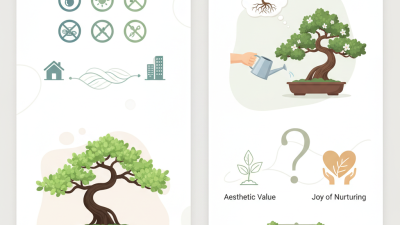
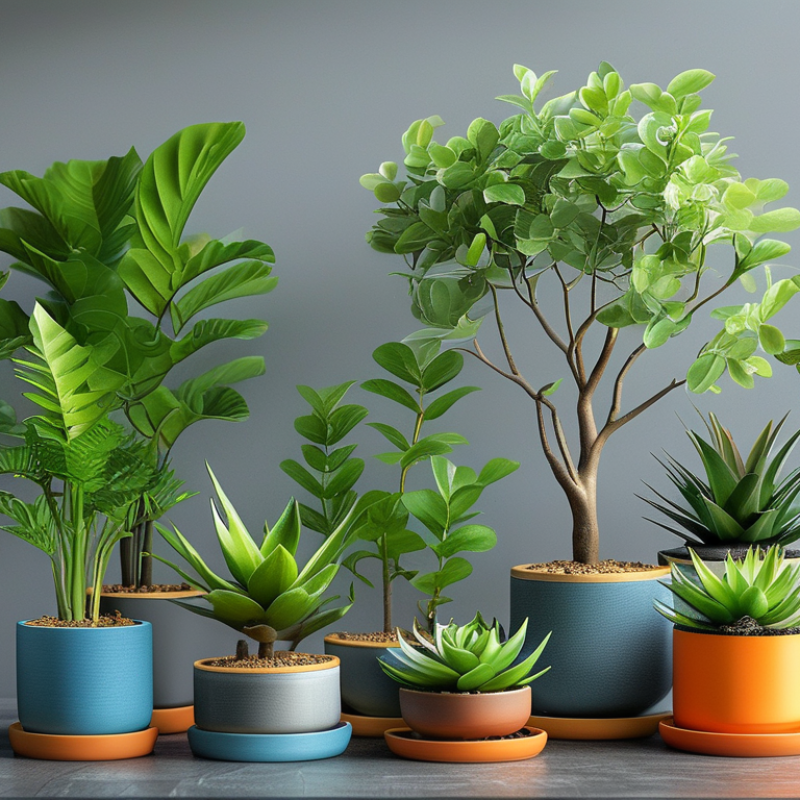
Artificial plant bonsais have gained significant popularity among global buyers. These realistic replicas provide the aesthetic appeal of traditional bonsais without the maintenance hassle. Industry reports indicate a steady growth in the artificial plant market, with a projected increase of 6.4% annually through 2028. This trend highlights a shift towards low-maintenance home decor solutions.
The allure of artificial bonsais lies in their versatility. They enhance indoor spaces while requiring no watering or trimming. For busy professionals or those without a green thumb, these plants offer a solution. However, it's crucial to choose high-quality materials. Some artificial plants may look lifelike at first glance but can fade over time. Look for UV-resistant options to ensure longevity, especially for those used in sunnier spaces.
Tips for choosing the right artificial bonsai: Prioritize durability and detail in the design. Pay attention to the potting; a well-crafted base adds to the realism. Additionally, consider the color variation in the foliage. Fake plants that mimic natural color gradients look more convincing. It's essential to reflect on these choices, ensuring your selection fits harmoniously in your decor while adding a touch of nature.
Criteria for Selecting High-Quality Artificial Bonsai Plants
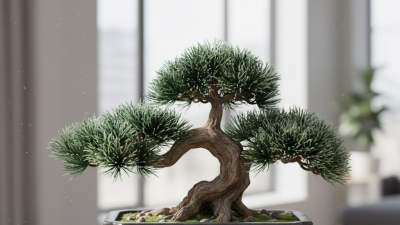
When selecting high-quality artificial bonsai plants, buyers should consider several important criteria. First, examine the material used in the construction. Plants made from durable, UV-resistant materials ensure longevity. High-quality plastic or silk can replicate the look of real plants effectively. Also, realistic textures and colors enhance the visual appeal. A closer look at the leaf and branch details reveals craftsmanship.
The size and shape of the bonsai also matter. Ensure they fit your intended space. Some people prefer tall plants, while others look for compact versions. Balance is key; a well-proportioned bonsai can be a stunning focal point. Moreover, practicality can't be overlooked. Lightweight options may be easier to move while giving a realistic look.
Authenticity plays a significant role in your decision. A good artificial bonsai should fool the eye. Subtle nuances in color and form can make a big difference. Yet, not every plant achieves this level of realism. Reflect on your preferences. A plant that fits your style might not necessarily meet all quality criteria. It’s essential to prioritize what aspects matter most to you in the end.
Top 10 Artificial Plant Bonsai Options for Global Buyers
Top 10 Recommended Artificial Plant Bonsai for Global Buyers
When considering artificial plant bonsai, buyers look for both aesthetic appeal and durability. Data from the Global Artificial Plants Market Analysis suggests that this sector is seeing rapid growth. The increasing demand for maintenance-free greenery is driving sales. Many buyers appreciate the lifelike features of high-quality options available today.
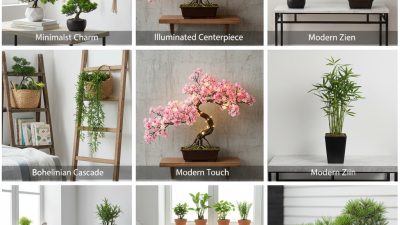
Among the most recommended artificial plant bonsai options, consider size, material, and appearance. Smaller bonsai can fit into tight spaces, making them ideal for apartments. The material choice affects how realistic the bonsai looks. For instance, silk and plastic models vary widely in texture and visual realism. Interestingly, while many favor realistic designs, some opt for a more whimsical style.
It’s vital to remember that artificial plants require less care than live ones. However, some people may be skeptical about their environmental impact. Reports indicate that the production process of synthetic materials can lead to waste. This invites buyers to reflect on their choices carefully. Selecting higher-quality options may offer more longevity, but balancing aesthetics and sustainability is challenging.
Top 10 Recommended Artificial Plant Bonsai for Global Buyers
| Bonsai Type |
Height |
Material |
Price Range |
Ideal For |
| Ficus Bonsai |
18 inches |
Plastic |
$30 - $50 |
Home Decor |
| Juniper Bonsai |
24 inches |
Silk |
$40 - $70 |
Offices |
| Maple Bonsai |
15 inches |
Polyester |
$25 - $45 |
Living Rooms |
| Cherry Blossom Bonsai |
12 inches |
Plastic |
$20 - $35 |
Bedrooms |
| Pine Bonsai |
30 inches |
Silk |
$50 - $80 |
Garden Decor |
| Bamboo Bonsai |
36 inches |
Plastic |
$40 - $60 |
Outdoor Spaces |
| Azalea Bonsai |
20 inches |
Silk |
$30 - $50 |
Offices |
| Cactus Bonsai |
10 inches |
Plastic |
$15 - $30 |
Desks |
| Ficus Ginseng Bonsai |
15 inches |
Polyester |
$35 - $55 |
Home Decor |
| Olive Bonsai |
24 inches |
Silk |
$45 - $75 |
Living Rooms |
Maintenance Tips for Artificial Bonsai Plants
Artificial bonsai plants offer a charming way to enhance any space, but maintaining their appearance requires attention. Unlike real plants, these displays do not require water or sunlight. However, they do collect dust, which can dull their aesthetic appeal. Regular dusting with a soft cloth is essential to keep them looking vibrant. The use of a mild soap solution can help remove stubborn dirt without damaging the materials.
It's also important to consider their placement. Avoid direct sunlight to prevent colors from fading. Indirect light is optimal. Additionally, be cautious with high humidity areas, as this could affect their appearance over time. In fact, studies indicate that maintaining a stable environment can extend the life of artificial plants by up to 40%.
Moreover, artificial bonsai plants can fade or become discolored over time. Regular inspection for these changes helps in maintaining their beauty. While these plants are low-maintenance, they are not “maintenance-free.” Some might even argue that a few touch-ups, such as repainting details, can add to their charm. Adjusting the position and occasionally rotating your plant can also create a fresh look.
Benefits of Choosing Artificial Bonsai Over Real Plants
Artificial bonsai plants offer an attractive alternative to live plants. One of the key advantages is their low maintenance level. Unlike real bonsai, which requires specific watering and pruning, artificial options need just occasional dusting. This makes them ideal for busy individuals or those lacking a green thumb.
Studies show that around 30% of plant owners struggle to keep their plants alive due to various factors. Issues such as overwatering or not enough sunlight contribute to plant mortality. In contrast, artificial bonsai remain vibrant year-round without the stress of environmental conditions. They are particularly beneficial in homes or offices where natural light is limited.
Moreover, the artificial bonsai market has grown significantly, expected to reach approximately $1.5 billion by 2025, driven by rising demand for hassle-free decor. Consumers appreciate the endless variety of styles and colors that artificial options offer. However, it is essential to acknowledge that while these plants possess aesthetic appeal, they lack the environmental benefits of live plants, such as oxygen production and air purification. Balancing the convenience of artificial bonsai with the advantages of real plants may be a consideration for potential buyers.