Top 10 Tips for Choosing the Perfect Artificial Outdoor Tree
Choosing the perfect Artificial Outdoor Tree can transform any space. The right tree enhances aesthetics and provides functional benefits. According to a report by the Outdoor Decor Association, the market for artificial outdoor plants has seen a steady growth of 15% annually. This trend highlights the increasing demand for realistic and durable outdoor decor products.
Dr. Emily Green, a renowned landscape architect, emphasizes that "Artificial Outdoor Trees can offer year-round beauty without the maintenance of living plants." This insight reinforces the importance of selecting a high-quality product. Consider factors such as material, durability, and realism when making your choice.
However, finding the ideal tree is not always easy. Many options exist, and not all are created equal. Consumers often face challenges in distinguishing between high-end and low-end products. The wrong choice can lead to disappointment in aesthetics and functionality. Taking the time to research and evaluate your options is crucial for achieving the desired outdoor ambiance.
Factors to Consider When Selecting an Artificial Outdoor Tree
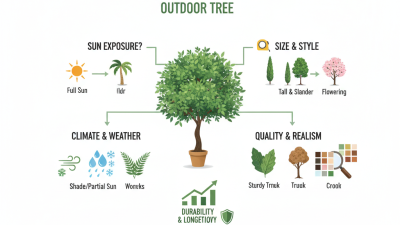
Choosing the perfect artificial outdoor tree requires careful consideration of various factors. First, assess the size and scale of the space where the tree will be placed. According to a market survey by IBISWorld, 70% of consumers report less satisfaction when the size is not proportional to their outdoor area. A tree too large can overwhelm your space, while a small one may get lost.
Material quality is another critical element. Look for UV-resistant materials to prevent fading and ensure longevity. The American Nursery & Landscape Association highlights that high-quality artificial trees can last up to a decade with minimal upkeep. However, the initial investment may be higher, raising the question of value versus longevity.
Finally, consider the intended purpose of your tree. Whether it’s for aesthetics, privacy, or to create a focal point, the right choice impacts overall satisfaction. It's worth noting that about 30% of buyers feel regret after their purchase due to not aligning the tree with their landscape design. Reflect on your outdoor setting and visualize how the tree fits into that space. Balancing your preferences and these factors leads to a more fulfilling choice.
Understanding Different Types of Artificial Trees Available
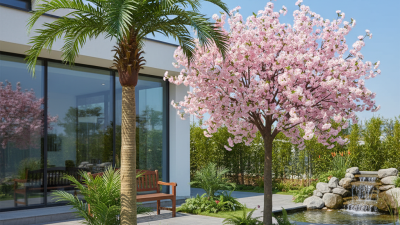
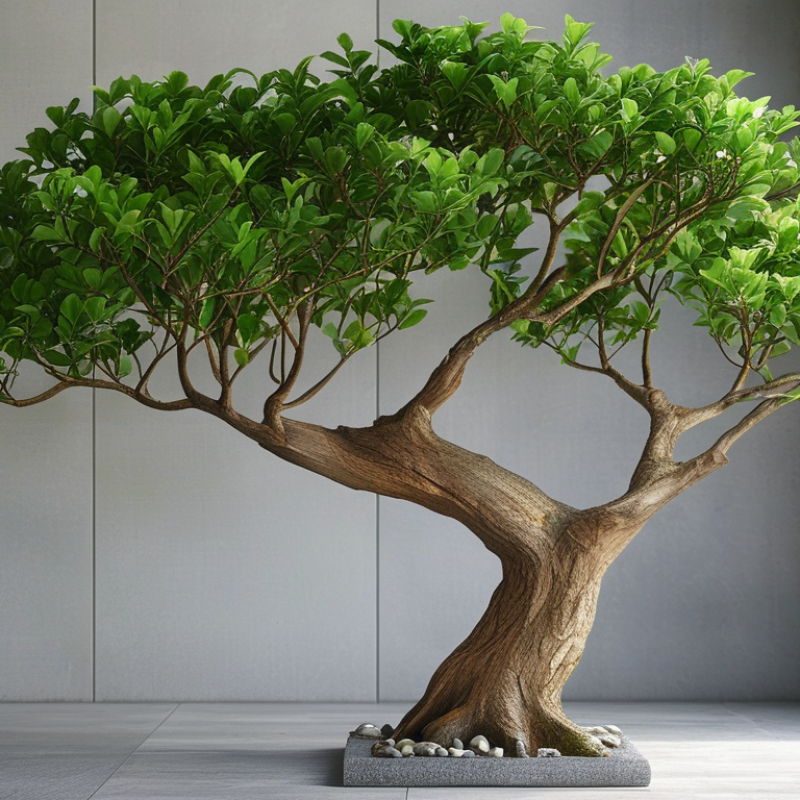
When selecting an artificial outdoor tree, understanding the different types is crucial. There are various styles available, from palm trees to oak replicas. Each type offers distinct aesthetics and requires different care levels. For those living in humid climates, choose a style that could withstand moisture. In contrast, arid regions may suit trees that mimic desert species.
Think about the setting. Do you desire a tropical vibe or a rustic look? For example, faux palms can bring a vacation feel. Alternatively, artificial oak trees appeal to those wanting a classic landscape. Size matters too. A large tree can become a focal point, while smaller ones fit neatly into tighter spaces. Remember to consider the tree's color and texture as well, ensuring it complements your outdoor decor.
Tip: Always check the material quality. UV-resistant options last longer in direct sunlight. Look for details that resemble real leaves and bark. This enhances realism and adds depth to your outdoor space. A great artificial tree should ideally require minimal maintenance while maintaining charm and appeal. Ideal options don't exist; it's about what meets your needs. Reflect on how the chosen type aligns with your landscape vision.
Top 10 Tips for Choosing the Perfect Artificial Outdoor Tree
| Tip Number |
Tip |
Description |
Best For |
| 1 |
Consider the Size |
Choose a tree that fits well in your space without overwhelming it. |
Small to Medium Spaces |
| 2 |
Check the Material |
Opt for UV-resistant materials to ensure longevity. |
All Outdoor Areas |
| 3 |
Evaluate Realism |
Look for trees with realistic textures and colors. |
Residential Areas |
| 4 |
Consider the Aesthetics |
Select styles that complement your existing decor. |
Patios and Balconies |
| 5 |
Think About the Maintenance |
Choose trees that require minimal upkeep. |
Busy Lifestyles |
| 6 |
Weight and Stability |
Ensure the tree is stable enough for outdoor use. |
Windy Areas |
| 7 |
Check for Warranty |
Look for a warranty for peace of mind regarding quality. |
Long-Term Investment |
| 8 |
Assess the Price |
Find a balance between quality and affordability. |
Budget-Conscious Buyers |
| 9 |
Consider Seasonal Changes |
Select trees that look good year-round or can adapt to seasonality. |
All Seasons |
| 10 |
Seek Customer Reviews |
Research feedback to ensure quality and satisfaction. |
All Buyers |
Evaluating Material Quality for Durability in Outdoor Conditions
When selecting an artificial outdoor tree, the quality of materials plays a crucial role in ensuring its durability. High-quality materials resist fading, cracking, and weathering. UV-resistant plastics and high-grade silk leaves mimic natural foliage while offering protection against the elements. They stand up to sun exposure and harsh winds, maintaining their appearance longer.
Consider the construction of the tree itself. Sturdy frames made from metal or treated wood provide stability, especially in windy conditions. Weak joints might lead to breakage over time. Inspect the details.
Look for reinforced stitching and tightly secured branches. These features indicate a well-made product, capable of withstanding outdoor challenges.
Pay attention to the weight of the tree, as heavier models tend to be more stable. However, heavier doesn’t always equate to better quality. Some lighter designs can surprise with their durability and resistance. Reflect on the specific climate where the tree will be placed. For regions with extreme weather, prioritize enhanced durability features. Not all artificial trees are created equal; thorough evaluation is essential for long-lasting enjoyment.
Choosing the Right Size and Height for Your Space
Choosing the right size and height for your artificial outdoor tree is crucial. It can define the space and create a lasting impression. Measure the area where you plan to place the tree. Consider the width and height of nearby structures. A tree that is too tall can overwhelm your space. Conversely, a tree that is too short might fade into the background.
Think about the overall layout of your outdoor area. A large, expansive garden can showcase a tall tree beautifully. In contrast, a small patio may require a more compact option. Pay attention to the height of your patio furniture. You don't want your tree to obstruct views or create a cramped feeling. Try visualizing the tree in your space before making a purchase. Use tape to outline the tree's dimensions on the ground.
Reflect on the ambiance you wish to create. A grand, towering tree can evoke a sense of elegance. But, it can also feel imposing. Smaller trees can add charm without dominating the scene. Ensure that the tree’s aesthetics match your outdoor theme. Ultimately, the right size and height will enhance your space uniquely. It’s a process that may require adjustments. Don’t rush; take your time to find what feels right.
Top 10 Tips for Choosing the Perfect Artificial Outdoor Tree
Tips for Matching Artificial Trees with Outdoor Decor Style
When selecting an artificial outdoor tree, consider how it complements your existing decor. A recent survey by the National Association of Landscape Professionals found that 73% of homeowners prioritize aesthetics when designing outdoor spaces. This trend underscores the importance of matching your artificial tree to your overall design theme.
If your decor has a modern touch, choose trees with sleek lines and minimalist foliage. Conversely, more rustic settings can benefit from fuller, textured trees that evoke a natural feel. Pay attention to color too. Studies from the American Society of Landscape Architects indicate that color harmony can influence mood and perception of space.
While these tips help guide your selection, imperfections can arise. Sometimes, an artificial tree may clash with nearby plants. Or the intended scale may feel off in the space. It’s essential to remain flexible and willing to adjust your choices as you visualize the final outcome. Engaging with homeowners and landscape designers can reveal practical insights that enhance your decision-making process.