How to Choose the Best Artificial Outdoor Tree for Your Space?
Choosing the right Artificial Outdoor Tree requires careful consideration. In recent years, the market for artificial plants has grown significantly. According to a report by Allied Market Research, the global market for artificial trees is projected to reach $4.8 billion by 2027. This indicates a rising demand for realistic and durable outdoor greenery.
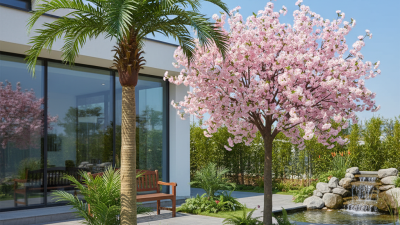
Artificial Outdoor Trees offer a permanent solution for enhancing garden aesthetics, especially in spaces with challenging climates. These trees come in various styles and sizes. Their maintenance is minimal, making them an attractive option. However, not all products are created equal. It's essential to evaluate quality, realism, and durability. Some users have reported fading colors or loss of leaves over time. This highlights the importance of choosing trusted brands.
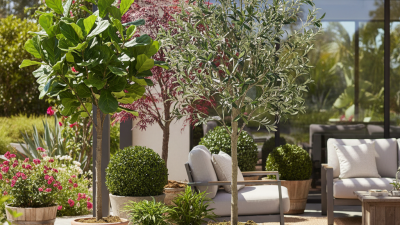
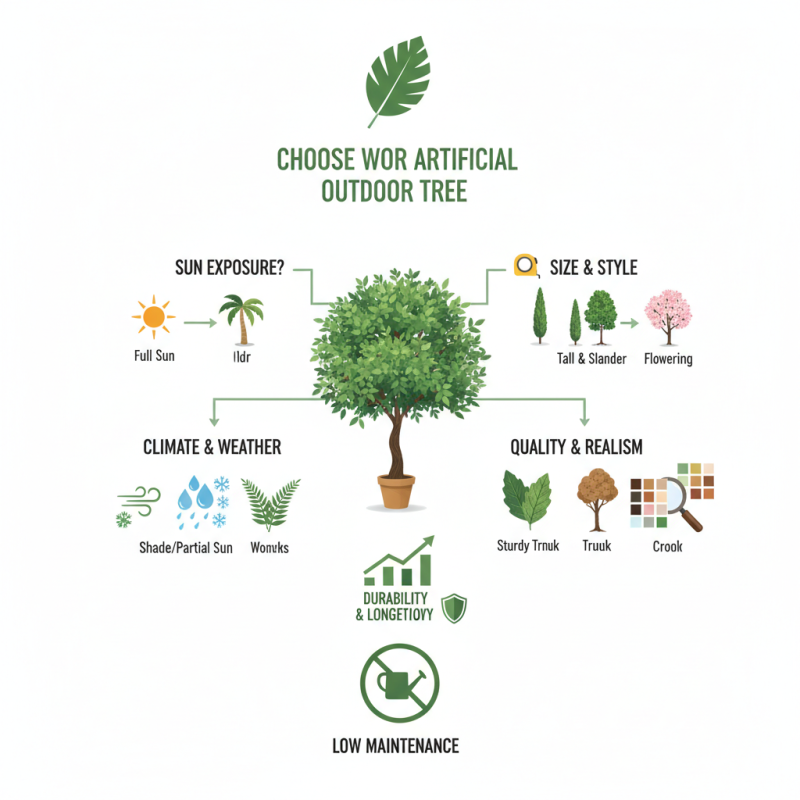
When selecting your Artificial Outdoor Tree, think about the specific needs of your space. What style complements your existing landscape? Consider the local weather and exposure to sunlight. Many homeowners underestimate these factors. A thoughtful choice can elevate outdoor environments while ensuring longevity.
Understanding Your Space: Evaluating Size and Style Needs
When choosing an artificial outdoor tree, understanding your space is crucial. The size of your area will dictate the type of tree that fits best. For small patios, opt for slender varieties. They lend a touch of greenery without overwhelming the space. In contrast, larger yards may accommodate more robust trees that can provide a focal point. Consider the height and spread as you visualize the tree in your space.
Style is another vital aspect. Evaluate the design of your outdoor area. Do you have a modern, sleek aesthetic? Perhaps a contemporary tree would complement that vibe. For whimsical gardens, a more playful style might be appropriate. Mindfully selecting a tree that aligns with your overall theme creates cohesion.
Reflect on your choices and assess if they meet your needs. What looks good in a picture might not feel right in reality. Pay attention to how the tree interacts with surrounding elements. Is there enough light? Will it clash with your decor? A thoughtful selection process can lead to a beautifully curated outdoor environment.
Determining the Purpose: Aesthetic vs Functional Considerations
Choosing the right artificial outdoor tree requires a clear understanding of your intentions. Do you want to enhance aesthetics or add functional value? This decision influences your selection significantly. If your goal is to beautify a space, look for trees that mimic natural foliage. Pay attention to colors and textures. A well-placed artificial tree can create a focal point. However, it should blend with the existing landscape.
On the other hand, if functionality is your priority, consider trees that offer privacy or windbreaks. Think about how the tree will interact with your environment. Will it provide shade, or will it obscure an unwanted view? Sometimes, function and aesthetics may clash. A beautiful tree might not be practical in a small space. Reflect on what you truly need. It’s easy to get caught up in the visual appeal, but functionality should not be compromised. Multiple purposes can lead to a more satisfying choice. Ultimately, the tree should serve a role in your outdoor arrangement while enhancing the overall vibe.
How to Choose the Best Artificial Outdoor Tree for Your Space? - Determining the Purpose: Aesthetic vs Functional Considerations
| Feature |
Aesthetic Considerations |
Functional Considerations |
| Size |
Enhances the visual scale of the space |
Provides shade or privacy |
| Color |
Adds vibrancy to the décor |
Can match environmental needs (e.g., darker colors for heat absorption) |
| Material |
Synthetic foliage appearance |
Durability against weather conditions |
| Design |
Artistic and decorative styles available |
Functional designs for structural support |
| Maintenance |
Requires occasional cleaning |
Minimal upkeep compared to natural trees |
| Placement |
Enhances focal points in landscaping |
Strategically placed for functionality (e.g., blocking wind) |
Material Matters: Choosing the Right Quality for Outdoor Conditions
When selecting an artificial outdoor tree, the material is crucial. High-quality materials can withstand various weather conditions. Look for UV-resistant plastics to prevent fading. Additionally, consider water-resistant components to protect against rain and humidity. Some materials are more durable than others, which can save you money in the long run.
Synthetic foliage made from polyethylene often looks the most realistic. It's essential for outdoor use because it holds up well against UV rays. Meanwhile, PVC may be more affordable but can quickly degrade. Before purchasing, inspect the texture and color. Realistic veins and shading can enhance the overall appearance.
Reflect on the environment where the tree will be placed. If it's in a high-traffic area, choose sturdier materials. Wind and rain can be challenging for lighter trees. Evaluate how often you'd like to rearrange or maintain the tree, as this can influence your material choice. Comfort with your decision matters, so take your time reviewing options. A thoughtful choice can transform your outdoor space significantly.
Assessing Maintenance: Easy Care for Long-lasting Appeal
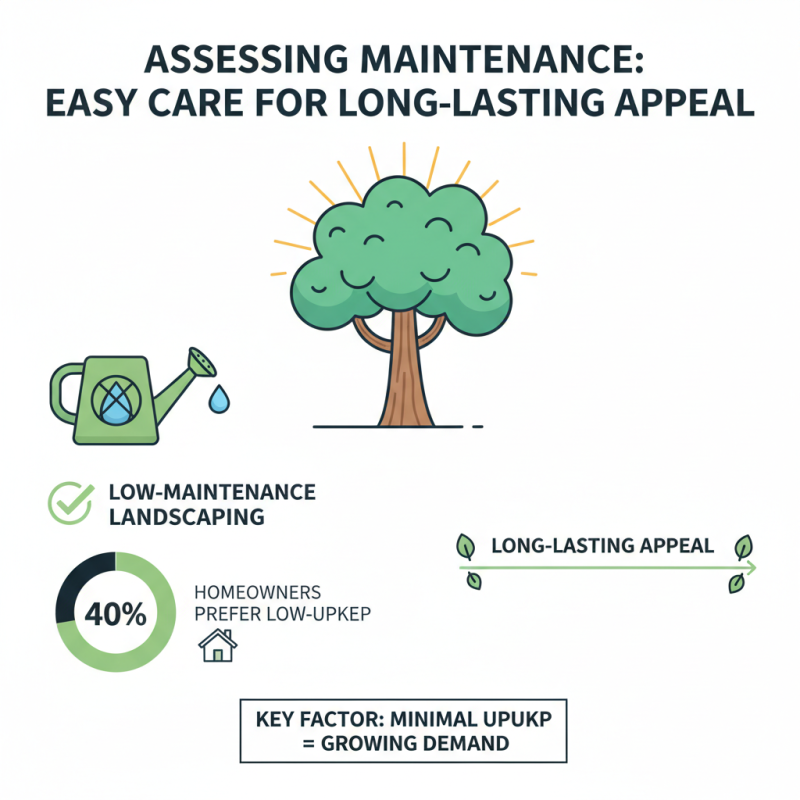
When selecting artificial outdoor trees, maintenance is a key factor. Easy care contributes to their long-lasting appeal. According to a recent industry report, about 40% of homeowners prefer low-maintenance options for landscaping. This trend suggests a growing demand for products that require minimal upkeep.
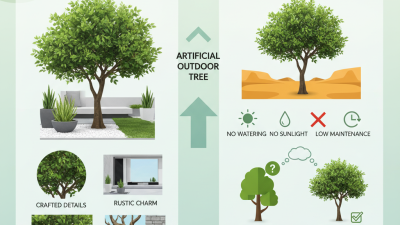
Artificial trees are an excellent solution. They don’t need watering, pruning, or fertilizing. A study found that 75% of artificial tree owners appreciate this feature. However, dust and grime can accumulate over time. Regular cleaning is necessary to maintain their appearance. A simple rinse with water every few months can do wonders.
Choosing UV-resistant materials is crucial for longevity. These materials can withstand harsh sunlight, preventing color fading. Reports indicate that trees made from high-quality polyethylene last longer outdoors. It's important to reflect on how often you'll clean and care for your choices. Not all options will keep their charm without some effort. Select wisely to enjoy your artificial tree for years.
Comparing Prices: Finding the Best Value for Your Budget
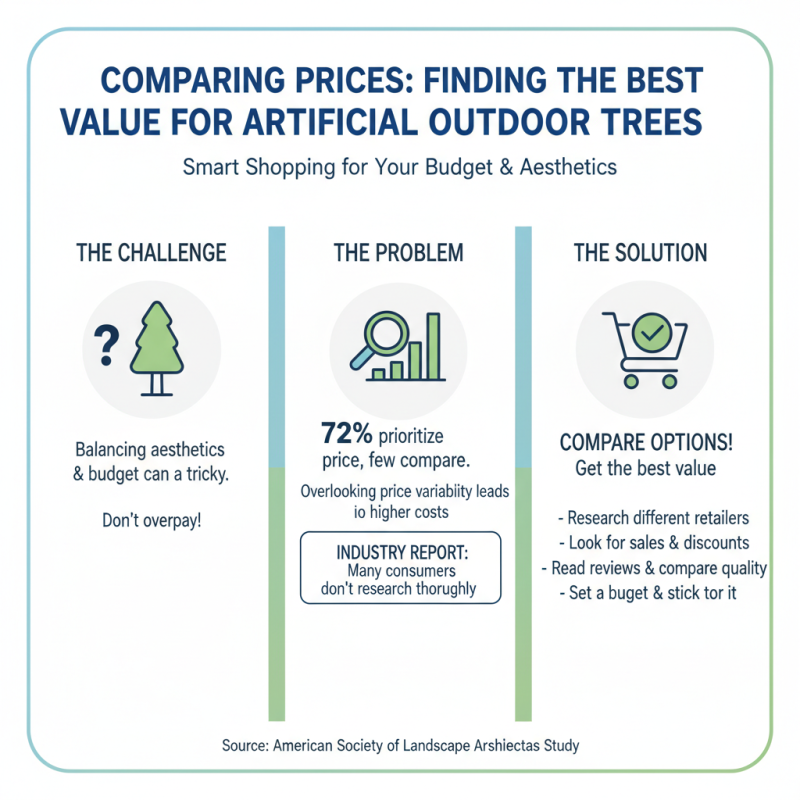
Finding the right artificial outdoor tree for your space can be daunting, especially when balancing aesthetics with budget. Industry reports indicate that homeowners often overlook the importance of pricing variability. A study by the American Society of Landscape Architects found that 72% of consumers consider price a critical factor, yet many do not compare options thoroughly. This can lead to overpaying for similar products.
When evaluating options, it's essential to look beyond the sticker price. The National Retail Federation highlights that quality affects longevity and overall value. Cheaper trees may cost less upfront but often require replacement or repair, adding to long-term expenses. A durable tree may have a higher initial cost but can save money over time.
Additionally, consider maintenance costs. Artificial trees require minimal upkeep. A report from Statista shows that 59% of buyers value low-maintenance items, which often lead to savings on landscaping services. Balancing initial investment with long-term value, therefore, becomes crucial in your decision-making process. Reflecting on these factors can lead to a more informed choice, ensuring your outdoor space remains vibrant and cost-effective.