How to Choose the Best Artificial Plant Wall for Your Space?
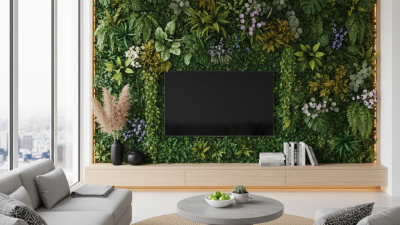
Choosing the right Artificial Plant Wall for your space can transform an area dramatically. Renowned expert Rebecca Green, a landscape designer, once stated, "The right green wall can bring life and color into any room." Her experience highlights the importance of careful selection.
In recent years, Artificial Plant Walls have gained popularity for their low maintenance and aesthetic appeal. Many people underestimate the impact of greenery on their environment. The vibrant colors and lifelike textures can create a calming atmosphere in a busy setting. Yet, it’s crucial to consider the quality and realism of the products available.
Not every Artificial Plant Wall will suit your specific needs. Some may appear too artificial or lack depth. Balancing aesthetics with practicality is key. It’s essential to reflect on how each choice aligns with your overall design vision. Investing time in research can lead to a more satisfying result in the end.
Overview of Artificial Plant Walls and Their Benefits
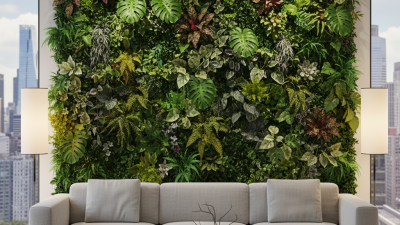
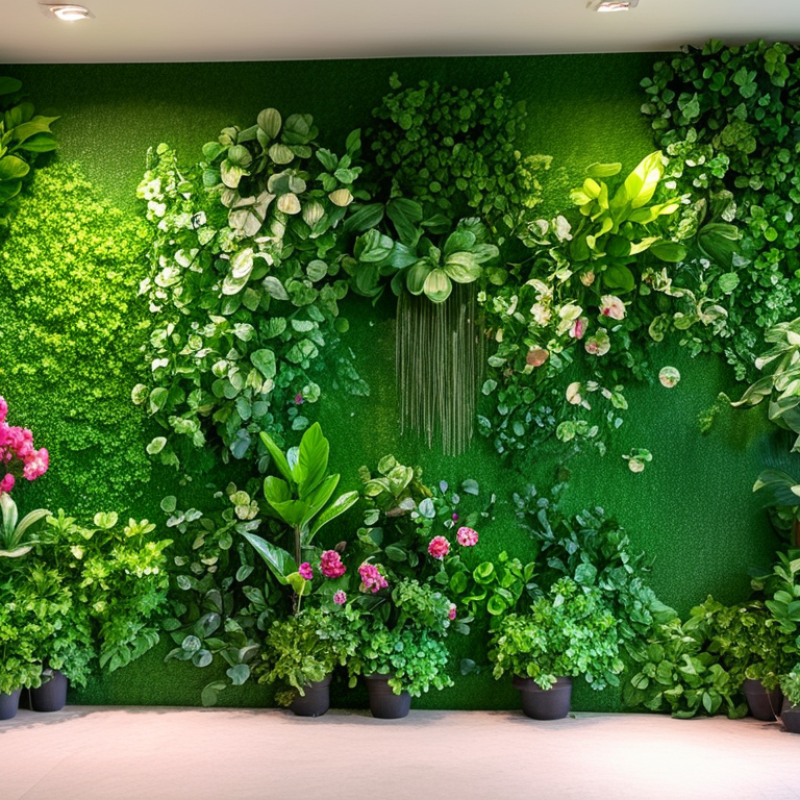
Artificial plant walls have gained popularity in recent years. They can transform any space into a vibrant oasis. These walls provide a lush, green look without the maintenance that real plants require. With a variety of textures and colors, they enrich interior and exterior spaces alike.
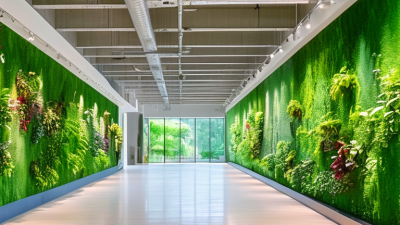
One of the primary benefits of artificial plant walls is their versatility. They suit both commercial and residential settings. Imagine a cozy café with greenery on its walls. Or an office brightened by the presence of faux plants. These options enhance aesthetics while promoting a calming atmosphere. Additionally, they don't require sunlight or water, making them practical for dim environments.
While they offer many advantages, these walls are not without drawbacks. Dust and debris can accumulate over time, requiring occasional cleaning. Also, some may prefer the scent and feel of real plants. It's important to weigh these factors when choosing the right option. Ultimately, assessing your space and personal preferences can guide you to the best choice for your needs.
Evaluating Your Space: Size, Style, and Light Conditions
Evaluating your space is crucial when selecting an artificial plant wall. Size is the first factor to consider. A wall that’s too small can look lost, while one that’s too large may overwhelm a room. According to a recent industry report, interiors with greenery can boost mood by up to 15%. Ensure the plant wall completes your design without taking over.
Style plays a significant role as well. The colors and types of greenery should align with your current decor. If your space is modern, opt for sleek designs with varied textures. Traditional spaces may benefit from lush, vibrant options. Research shows that cohesive design can reduce anxiety and increase comfort levels in living spaces.
Light conditions are often overlooked. Artificial plant walls thrive with appropriate lighting. Bright areas may require lighter, airier greens. Dim spaces can handle denser, darker foliage. Balance is key. Misjudging light can lead to a harsh look, even if the plants themselves are beautiful. Remember, each choice influences the overall atmosphere.
Materials and Types of Artificial Plants: What to Consider
When selecting an artificial plant wall for your space, materials and types are pivotal. Various options offer distinct aesthetics and durability. Common materials include plastic, silk, and foam. Plastic plants tend to be more affordable and resilient, while silk plants provide a more realistic appearance. Foam options can mimic textures but may not be as durable under direct sunlight.
Consider the type of plants that fit your environment. Some walls feature succulents, while others boast lush ferns or tropical leaves. Reflect on your overall design theme. Mixing different plant types might create a dynamic look. However, too many variations can lead to a cluttered feel. Aim for balance.
Tips: Choose materials based on where your wall will be displayed. For outdoor use, durability is crucial. In low-light indoor situations, opt for brighter colors to uplift the space. Additionally, ensure maintenance is manageable. Some artificial plants require occasional dusting. Always remember, an artificial wall should enhance your space, not overwhelm it. Cautiously experiment with arrangements. You'll find what complements your environment best.
Choosing the Best Artificial Plant Wall: Materials and Types
Choosing the Right Color Palette and Plant Variety
When selecting an artificial plant wall, consider the color palette carefully. The right hues can transform a space dramatically. Greens can evoke a sense of calmness. Choose shades that complement your existing decor. For a bold statement, combine darker greens with vibrant flowers. A well-thought-out palette enhances the overall aesthetic and mood of your area.
Plant variety is equally important. Mixing different leaf shapes and textures adds depth. Some plants, like ferns, offer a lush appearance. Others, like succulents, provide a modern touch. Too many similar plants can create a monotonous look. Experiment with combinations to find your unique style. Reflecting on your choices can lead to unexpected results. Your space should feel alive and inviting.
How to Choose the Best Artificial Plant Wall for Your Space? - Choosing the Right Color Palette and Plant Variety
| Aspect |
Description |
| Color Palette |
Consider vibrant greens, soft earth tones, and complementary colors to enhance your space. |
| Plant Variety |
Choose a mix of ferns, succulents, and flowering plants for texture and visual interest. |
| Size |
Select a wall size that fits the intended area without overwhelming it. |
| Lighting |
Consider the amount of natural light your space receives when choosing plant varieties. |
| Maintenance |
Opt for low-maintenance options if you want to minimize upkeep. |
| Style Compatibility |
Ensure the design complements your existing decor — whether modern, rustic, or traditional. |
Installation and Maintenance Tips for Artificial Plant Walls
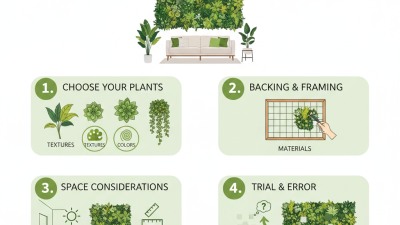
Installing an artificial plant wall requires careful planning. Ensure your space has adequate wall support. Measure the wall height and width accurately. Choose a variety of plants to add depth. A single type can look flat and monotonous. Mixed textures and colors create visual interest and mimic nature.
After installation, maintenance is key. Dust the leaves regularly to keep them looking fresh. Use a damp cloth or gentle vacuum attachment. Over time, plants can fade due to sunlight exposure. Rotating or repositioning them can mitigate this issue. Be mindful of moisture; avoid placing them in overly humid areas. While artificial plants do not need watering, they should be cleaned periodically.
Reflect on your choices. Are the plants fitting for your decor style? Consider how well they match the theme of your room. If they seem out of place, it may be time for a change. The right plant wall should enhance your space, not detract from it. Regular evaluation keeps your decor meaningful and lively.