Why Choose Artificial Trees for Sustainable Outdoor Spaces?
In recent years, the concept of integrating artificial trees into outdoor spaces has gained traction. Artificial trees serve as a sustainable alternative to natural trees. They offer essential benefits while addressing environmental concerns. Urban areas often face challenges like pollution and limited green space. Here, artificial trees can play a crucial role.
These innovative structures mimic real trees in design and function. They can filter air pollutants and produce oxygen. However, their effectiveness can vary significantly based on design and materials used. Some artificial trees may not provide the same biological benefits as their natural counterparts. Yet, they present unique advantages for urban planners. Artificial trees are low-maintenance and can withstand harsh environments.
Societal acceptance is also a factor to consider. Some people feel discomfort with using artificial solutions. There is a constant debate about their ecological validity. Still, when implemented thoughtfully, artificial trees can enhance urban landscapes. They can transform neglected areas into vibrant, sustainable spaces.
Benefits of Artificial Trees in Urban Environments
Urban environments often face challenges such as air pollution, heat islands, and limited green spaces. Artificial trees present a viable solution to these issues. According to a report by the National Academy of Sciences, artificial trees can capture over 30% of carbon dioxide, significantly contributing to cleaner air. They mimic the photosynthetic properties of real trees, absorbing pollutants and releasing oxygen.
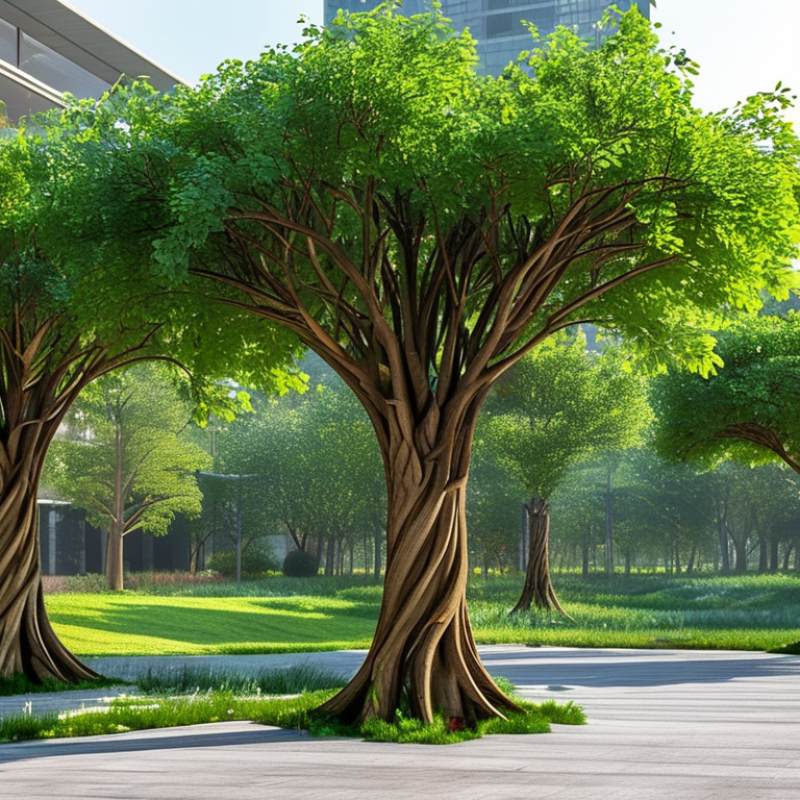
When installed in city parks or along streets, artificial trees enhance the aesthetic appeal of the urban landscape. Research shows that green spaces increase property values by up to 20%. This economic benefit, combined with ecological advantages, makes them an attractive choice for city planners.
**Tip:** Consider the placement of artificial trees to maximize their impact on air quality and aesthetics.
Despite their benefits, the effectiveness of artificial trees can vary based on local climate and environmental conditions. Some may argue that they lack the same emotional and ecological connection that natural trees provide. It's essential to reflect on how best to integrate artificial solutions with natural elements to create truly sustainable environments.
**Tip:** Incorporate native plants alongside artificial trees for added biodiversity.
Comparison of Artificial Trees vs. Natural Trees
Artificial trees are increasingly recognized for their potential to create sustainable outdoor spaces. Unlike natural trees, they do not require water or soil, making them an efficient choice. A report from the International Urban Forestry Research Group indicates that artificial trees can reduce urban heat by up to 30%. This feature is critical in cities facing rising temperatures due to climate change.
Natural trees contribute significantly to air quality and biodiversity. However, they require maintenance and can take years to mature. According to the National Forest Inventory, the average growth rate of urban trees is about 0.5 to 1 meter per year. In contrast, artificial trees offer immediate aesthetic value. They can be customized to fit the design of any space, enhancing both beauty and efficiency.
Despite their benefits, artificial trees do have limitations. They lack the ecological benefits that living trees provide. Issues like habitat creation and carbon sequestration cannot be replaced. An industry study suggests that while artificial trees can mimic some functions of natural trees, they fall short in supporting wildlife. This raises important questions about long-term sustainability and biodiversity in urban environments.
Design Versatility of Artificial Trees for Outdoor Spaces
Artificial trees offer remarkable design versatility for outdoor spaces, allowing for creative expression without the maintenance of real trees. These structures can mimic the aesthetics of various tree species, from traditional oaks to exotic palms. With the landscaping industry projected to grow by 4.5% annually through 2027, artificial trees are gaining traction among designers and architects alike.
The weight of industry data underscores this trend. Research indicates that 70% of landscape designers believe artificial elements enhance the visual appeal of outdoor environments. They provide clean lines and controlled shapes, making them ideal for urban settings. Artificial trees allow for customization in size, color, and form, ensuring that any space can achieve its desired ambiance.
Tips: When choosing an artificial tree, consider the materials used. High-quality options resist fading and damage. Think about the overall theme of your outdoor space. Seamless integration can elevate the environment. Remember, while artificial trees reduce maintenance efforts, they should be regularly inspected for weather effects.
Reflect on how artificial trees contribute to sustainability. While they do require resources to produce, their longevity and reduced need for water and care make them environmentally friendly in the long run. Choosing the right designs can create inviting spaces that positively impact communities.
Benefits of Artificial Trees in Outdoor Spaces
This bar chart illustrates the various benefits of incorporating artificial trees in outdoor spaces. Aesthetic appeal, reduced maintenance costs, and positive environmental impact are among the significant advantages contributing to their popularity in sustainable design.
Environmental Impact of Artificial Trees in Green Initiatives
Artificial trees are increasingly recognized for their role in green initiatives. They provide a unique solution to combat environmental challenges. Unlike natural trees, they do not require water or sunlight. This feature makes them ideal for urban settings where space is limited. However, the environmental impact of producing artificial trees does raise concerns.
Manufacturing artificial trees often involves plastics and metals. These materials can create waste and pollution during production. The lifespan of artificial trees varies, which can lead to environmental questions. Reflecting on their usage, communities must consider the balance between benefits and drawbacks. Are we truly enhancing sustainability, or merely substituting one problem for another?
In some scenarios, artificial trees can improve air quality significantly. They can filter pollutants and reduce urban heat. Yet, we need to remain cautious. The reliance on artificial solutions could lead to complacency. Investing in real tree planting is equally important. Striving for harmony between technology and nature is crucial for genuine sustainability.
Why Choose Artificial Trees for Sustainable Outdoor Spaces?
| Aspect |
Artificial Trees |
Natural Trees |
| Life Span |
50+ years |
Varies (10-300 years) |
| Maintenance |
Low |
High |
| Carbon Sequestration (Annual) |
Up to 1 ton |
Varies (0.1 - 2 tons) |
| Water Requirement |
No |
High |
| Biodiversity Impact |
Neutral |
Positive |
| Aesthetic Flexibility |
High |
Limited |
Cost-Effectiveness and Maintenance of Artificial Trees
Artificial trees are gaining traction for sustainable outdoor spaces due to their cost-effectiveness. They require minimal maintenance compared to real trees. Typical upkeep includes occasional cleaning and inspections, helping to reduce long-term costs. In contrast, natural trees demand regular care, from watering to pruning, which can add up over time.
Moreover, artificial trees provide consistent aesthetic appeal without seasonal variations. They remain vibrant year-round, delivering a stable environment. While some may question their authenticity, advancements in design have made them visually indistinguishable from natural counterparts. However, navigating the balance between artificial and real trees can lead to thoughtful discussions about sustainability and environmental impact.
Choosing artificial trees also allows for creative designs. They can be placed in areas unsuitable for living plants, enhancing spaces like urban rooftops or shaded spots. Additionally, their design flexibility poses a challenge: how to make landscaping feel natural while relying on synthetic materials? This invites ongoing exploration of aesthetics and sustainability in outdoor design, ensuring that our choices reflect a commitment to a greener future.