Leave Your Message

China Top 10 Artificial Plant Decor Manufacturers?

Artificial Plant Decor is moving beyond dusty office corners and seasonal shop windows. Today, it appears in hotel lobbies, apartment balconies, restaurants, and compact workplaces. Buyers expect realistic leaves, stable stems, safe materials, and dependable color under strong lighting.

Industry research supports this shift. Grand View Research identifies artificial plants as a growing interior decoration category, supported by urban housing, hospitality investment, and demand for low-maintenance greenery. Technavio’s artificial plants market analysis also forecasts continued expansion through 2027, with commercial interiors contributing meaningful demand. The figures vary between reports. That difference deserves attention, because product definitions and regional data are not always consistent.

Biophilic design expert William Browning describes the field as “the deliberate attempt to translate an understanding of the inherent human affinity to affiliate with natural systems and processes.” Artificial Plant Decor cannot replace living plants completely. It offers no oxygen benefits and may look disappointing when cheap plastic shines under bright lamps. Still, a well-made artificial tree can provide visual softness where sunlight, watering, or maintenance is limited.

This guide examines China’s top 10 Artificial Plant Decor manufacturers through practical buying criteria. These include leaf realism, trunk construction, UV resistance, fire-safety documentation, customization, minimum order quantities, and export experience. Factory audits and sample comparisons remain essential. A polished website proves little. Supplier performance matters more.

The shortlist is not perfect. Rankings can change with pricing, capacity, certifications, and service quality. Use it as a starting point, not a final verdict.
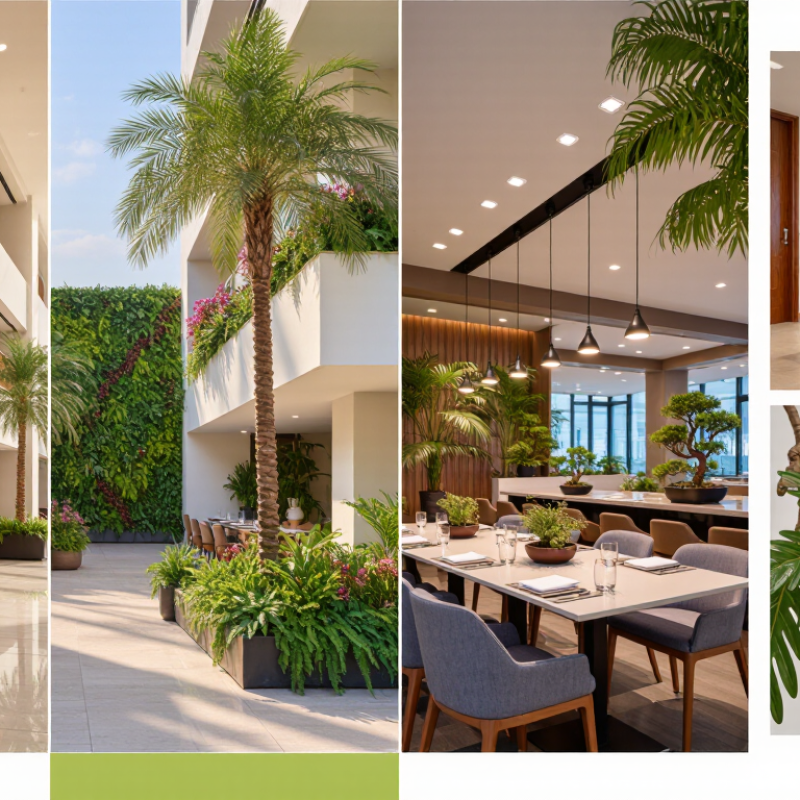
China Top 10 Artificial Plant Decor Manufacturers?

What Are Artificial Plant Decor Manufacturers in China?

Artificial plant decor manufacturers in China are companies that design, produce, and sometimes export lifelike greenery for homes, hotels, offices, restaurants, and retail spaces. Their products may include potted plants, artificial trees, hanging vines, floral arrangements, moss walls, and seasonal decorations.

Production usually combines hand assembly with standardized manufacturing. Workers shape stems, attach fabric or plastic leaves, arrange branches, and secure plants in pots with stones, cement, or foam. Common materials include polyester, polyethylene, wire, resin, and recycled components. Many manufacturers also provide custom colors, pot sizes, packaging, and private-label production. The best suppliers can explain material specifications, production capacity, sample approval, and inspection procedures clearly.

Tips: Request a physical sample before placing a large order. Check leaf texture, color consistency, stem strength, pot stability, and packaging damage. Ask for updated product photos and written quality standards. Factory visits or independent inspections can reveal details that online catalogs hide. No manufacturer is perfect, and even attractive samples may expose weak joints or uneven foliage during handling. That is worth testing.

Reliable manufacturers should also provide traceable business information, clear lead times, and suitable compliance documents for the destination market. Experienced buyers often compare several samples instead of trusting photographs alone. This slower step may prevent expensive replacements later.
How to Evaluate China’s Artificial Plant Decor Suppliers

Selecting China’s top 10 artificial plant decor manufacturers requires more than comparing catalog photos. Statista Market Insights estimated global artificial flowers revenue at roughly US$1.7 billion in 2024, showing strong demand but also intense competition. Use export experience as one screening factor. Ask for factory licenses, production photos, recent inspection records, and verified shipment history. A trading office may offer attractive prices, but production control can be unclear.

Inspect a physical sample before approving bulk orders. Check leaf color, stem flexibility, pot stability, flocking thickness, odor, and UV resistance. Request measurements for each component. Small differences matter. A 2-centimeter height error can affect retail display planning.

ISO 2859-1 sampling methods can support a clear pre-shipment inspection plan. Define acceptable defect levels, carton strength, moisture protection, and replacement procedures in writing.

Ask suppliers for material declarations and applicable safety documentation. For plastic foliage, verify restricted-substance testing against the destination market’s requirements. For indoor commercial projects, request fire-performance information where relevant. The UN Comtrade HS 6702 category offers useful trade data for artificial flowers, foliage, and fruit, but it does not prove factory quality.

Compare prices only after matching materials, packaging, labor, and testing. I have seen polished samples hide inconsistent color batches. That risk deserves a production-line video, random carton inspection, and a second sample after revisions. Supplier evaluation is imperfect, especially when communication is rushed.

China’s Top 10 Artificial Plant Decor Manufacturers

China’s Top 10 Artificial Plant Decor Manufacturers reflect China’s strong role in global interior decoration supply.

Grand View Research projects the global artificial plants market to grow at about 5.7% annually from 2024 to 2030. This growth supports demand for realistic foliage, preserved-style arrangements, and low-maintenance commercial displays. The leading ten manufacturers should be assessed by more than catalog size. Material consistency, leaf detail, stem strength, color stability, and export experience matter more.

Many Chinese manufacturers now use PE, PVC, fabric, wire, and recycled materials in layered designs. Some provide flame-retardant options and custom packaging for hotels, offices, restaurants, and retail spaces.

That matters. The China Chamber of Commerce for Import and Export of Light Industrial Products reports that Chinese household decoration exports remain highly diversified, with strong demand from Europe, North America, and Southeast Asia.

However, rankings can be imperfect. Public data rarely separates artificial plant decor from broader furniture or craft exports, so a “top ten” list should not be treated as an official league table.

From practical sourcing experience, buyers should request physical samples, color cards, load-tested stems, and batch photographs.

Check whether the leaves shed under repeated handling. Ask for factory inspection records and clear production timelines. A polished sample can hide weak internal wiring. That is a risk.

The most reliable manufacturers combine stable quality control, responsive engineering, transparent documentation, and realistic claims about durability.

Product Range, Materials, Customization, and Production Strengths

A serious comparison of China’s top ten artificial plant manufacturers should examine more than export volume. Product range is the first filter. Strong suppliers usually offer potted trees, hanging vines, preserved-style stems, floral arrangements, and outdoor landscaping units. They also support hospitality, retail, offices, and residential projects. Grand View Research estimates that the global artificial plants market could expand at roughly 6% annually through 2030. This growth increases demand for realistic texture and dependable replenishment. Polyethylene and PVC are common for molded leaves, while polyester suits softer petals. Steel wire, resin, cement, and recycled plastic add structure or weight. Materials matter more than glossy photographs.

Sometimes, the catalog looks better than the sample.

Customization separates production partners from simple trading channels. Useful capabilities include leaf-mold development, color matching, pot sizing, fire-performance options, and private-label cartons. A capable factory should provide pre-production samples, material declarations, batch photos, and documented inspection records. ISO 9001-style procedures help, but certification alone proves little. Buyers should test fading, odor, stem flexibility, pot stability, and carton damage. Production strength also means synchronized molding, wiring, assembly, packing, and container loading. IMARC Group’s artificial flowers market analysis identifies commercial interiors and hospitality as important demand areas. Repeat orders there require consistent color and dimensions.

The uncomfortable point is simple: high capacity claims may hide seasonal labor limits. Custom molds can also stretch lead times. Ask for recent output evidence, not promises.

How to Choose the Right Chinese Manufacturer for Your Project

Choosing a Chinese artificial plant manufacturer requires more than comparing catalog photos. Grand View Research estimates the global artificial plants market reached about USD 1.67 billion in 2023, with continued growth through 2030. That demand attracts experienced factories and inexperienced trading companies. Confirm the legal company name, factory address, production capacity, and export history before discussing price.

Request samples made with the same materials planned for mass production. Check leaf density, stem flexibility, color consistency, pot stability, and packaging damage. Ask for fire-resistance, chemical-safety, and material test reports when your project requires them. Audit production records and quality checkpoints. A polished sample can hide weak bulk control. That happens more often than buyers expect. Written tolerances for height, color, weight, and defect rates can prevent expensive arguments later. Also compare the manufacturer’s minimum order quantity with your actual demand, not an optimistic forecast.

Tips: Ask for a pre-production sample, carton dimensions, loading photos, and a corrective-action process. Use an independent inspection before shipment. Verify whether quoted prices include molds, inner packaging, testing, and replacement terms. The cheapest offer may become costly after revisions, delays, or damaged cartons. I would also keep one approved reference sample. Memory is unreliable, especially across long projects.

China Top 10 Artificial Plant Decor Manufacturers: How to Choose the Right Chinese Manufacturer for Your Project

This practical scorecard uses a 100-point procurement framework for comparing Chinese artificial plant manufacturers. Product quality and customization receive the highest weights because they directly influence appearance, durability, and project fit. Buyers should verify each category through samples, technical documents, factory audits, quotations, and export records.