Best Artificial Plant Bonsai for Global Buyers in 2026?
The popularity of Artificial Plant Bonsai has surged in recent years. As buyers seek low-maintenance options for home decor, these exquisite plants stand out. They replicate the elegance of real bonsai trees without the fuss of regular care.
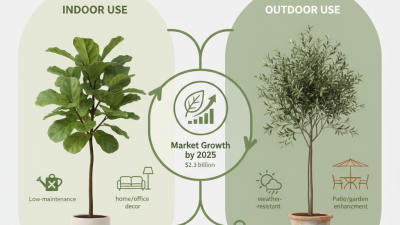
In 2026, global markets will witness a diverse range of Artificial Plant Bonsai options. Many brands focus on quality materials to enhance realism. The appeal lies in their ability to adapt to various settings, from offices to homes, without requiring sunlight or water.
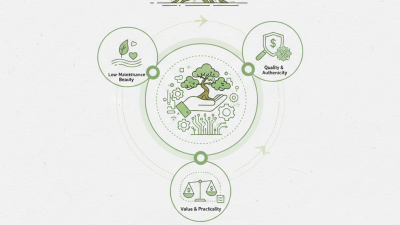
However, not all products are created equal. Buyers should consider factors like material authenticity and craftsmanship. While some may appear too synthetic, others truly capture the essence of living plants. It's essential to choose wisely to ensure that your space retains both beauty and authenticity.
Best Artificial Plant Bonsai: Overview of 2026 Market Trends
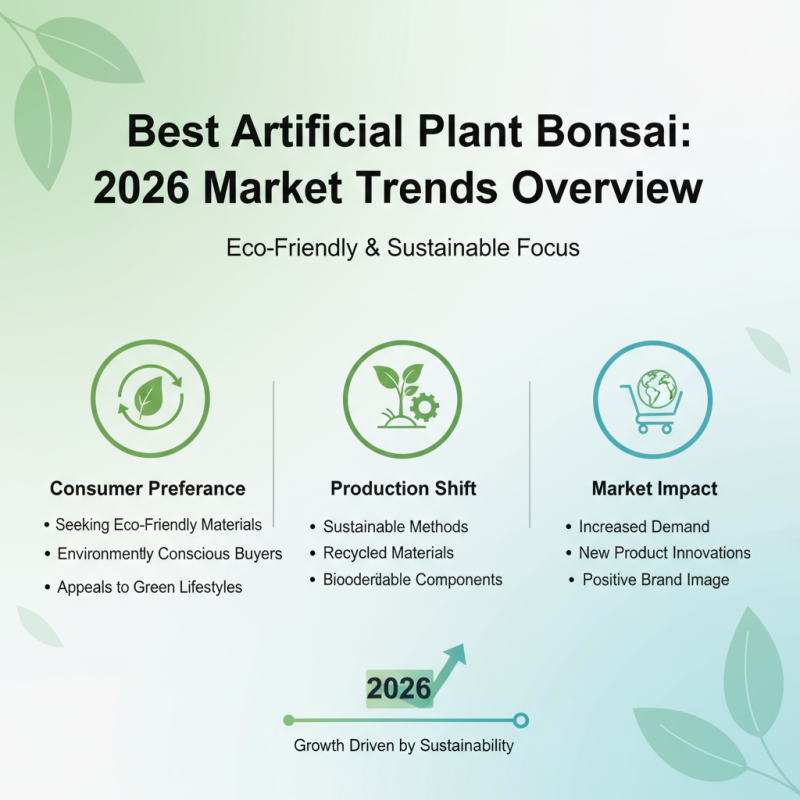
The artificial plant bonsai market in 2026 exhibits notable trends driven by consumer preferences. Buyers increasingly seek eco-friendly materials. This trend highlights a shift towards sustainable production methods. Artificial bonsai crafted from recycled or biodegradable materials appeals to environmentally conscious consumers.
Customization is another key factor influencing the market. Customers desire unique designs that reflect personal styles. Artisans are creating bespoke bonsai that capture diverse cultural influences. This allows consumers to showcase individuality in their spaces.
However, challenges exist in achieving authenticity. Many buyers desire lifelike textures and colors. Some products fall short in delivering this realism. As a result, consumers often feel disappointed when expectations differ from reality. Continuous innovation in design and materials is essential to meet these demands effectively.
Key Features of High-Quality Artificial Bonsai Plants in 2026
When considering the best artificial plant bonsai for global buyers in 2026, high-quality features play a vital role. According to industry reports, the demand for realistic artificial plants is increasing, especially in urban areas. People seek the beauty of nature without the upkeep.
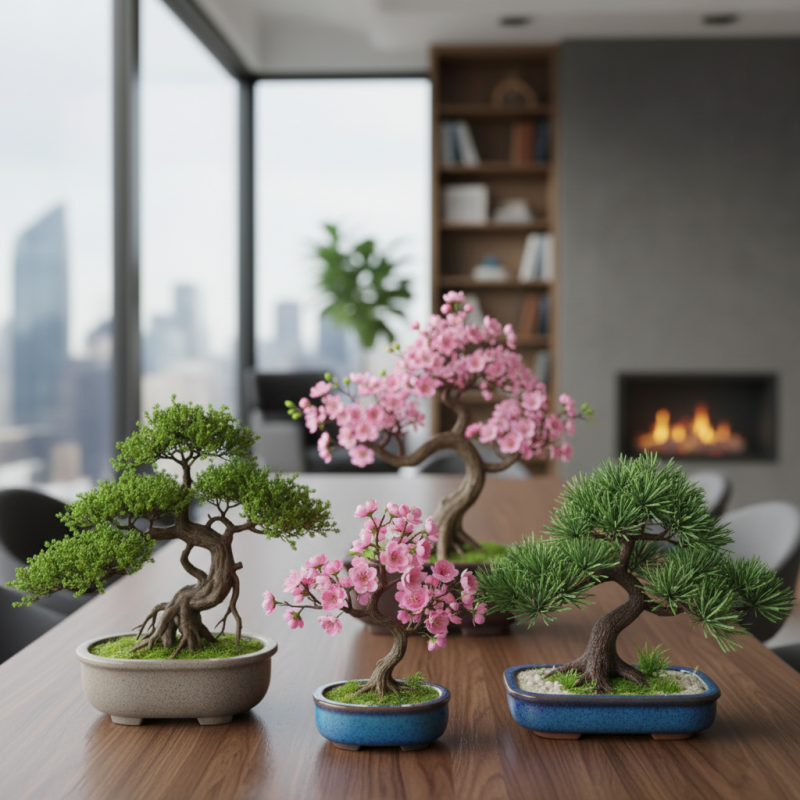
A high-quality artificial bonsai should mimic the intricate details found in real plants. Textured leaves and realistic branches enhance authenticity. The materials used should resist fading and wear, ensuring longevity.
Another key feature is size variation. Buyers prefer adaptable pieces for different spaces. Reports indicate that consumers appreciate options that fit compact apartments or larger homes. This variety allows for easy integration into various interior designs. Moreover, the weight of the bonsai matters. Light yet sturdy designs are preferable for ease of movement and placement.
Tip: When selecting an artificial bonsai, check for UV resistance. This feature helps the plant maintain its vibrant colors even in sunlight. Also, consider warranties on products. A good warranty reflects manufacturer confidence in quality. Lastly, examine reviews that highlight user experiences. Authentic feedback can guide smart choices.
Top Manufacturers Dominating the Global Artificial Bonsai Market
The global artificial bonsai market is rapidly evolving. Leading manufacturers focus on innovation and aesthetics. They combine technology with artistry to create lifelike designs. Many factories prioritize sustainable materials, appealing to eco-conscious consumers. This trend reflects shifting priorities among buyers.
Quality control remains a significant challenge. Some manufacturers struggle to maintain consistent standards across their product lines. Variations in craftsmanship can affect customer satisfaction. Buyers must research and choose reputable suppliers known for durability and design.
Importantly, market demand is influenced by interior design trends. Artificial plants are growing in popularity due to low maintenance needs. They offer lasting beauty without the hassle of real plants. However, finding a balance between costs and quality is critical. Buyers should evaluate different options and not rush decisions. Quality over quantity often leads to better investment returns.
Best Artificial Plant Bonsai Market Trends in 2026
Sustainability Practices in the Production of Artificial Bonsai Plants
Sustainability in the production of artificial bonsai plants is becoming increasingly important. As buyers look for eco-friendly options, manufacturers are adapting their practices. According to a recent industry report, over 60% of consumers prefer products made from sustainable materials. This shift prompts producers to explore biodegradable plastics and recycled materials in production.
However, challenges remain. Many artificial plants still rely on non-biodegradable materials, which can persist in landfills for years. Continuous research is needed to develop truly eco-friendly alternatives. It's crucial for manufacturers to find the right balance between durability and sustainability. Investing in sustainable practices requires financial resources and time, which can deter some businesses.
**Tips:** Always ask manufacturers about their sustainability practices. Look for certifications that prove the use of eco-friendly materials. Consider the longevity of the product; a well-made bonsai can last longer, reducing waste. An informed consumer can drive the industry toward more sustainable practices.
Consumer Preferences: What Buyers Look for in 2026 Artificial Bonsais
As we approach 2026, consumer preferences for artificial bonsai plants are evolving. Buyers are increasingly seeking realistic designs that mimic the intricacies of nature. The texture of leaves, the twist of branches, and the aesthetics of pots play crucial roles in decision-making.
Sustainability is another critical factor. Many buyers prefer eco-friendly materials for their artificial plants. They want products that last and are made without harming the environment. However, there remains a gap in transparency about materials used. This can leave customers feeling uncertain about their choices.
Furthermore, personalization has become a key trend. Buyers are looking for designs that fit their unique styles and home decors. While some want vibrant colors, others prefer muted tones. This diversity in preference can be challenging for manufacturers. They must strike a balance between creativity and mass appeal. Achieving this harmony can lead to more sustainable sales.
Best Artificial Plant Bonsai for Global Buyers in 2026
| Feature |
Preference (%) |
| Realistic Appearance |
35% |
| Low Maintenance |
30% |
| Durability |
25% |
| Eco-Friendly Materials |
20% |
| Price Affordability |
15% |
| Customization Options |
10% |