How to Choose Artificial Plant Decor for Your Home or Office?
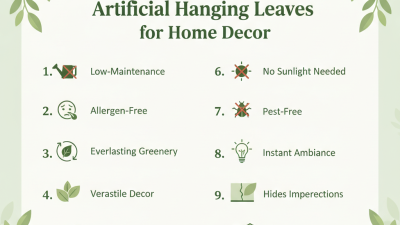
When it comes to enhancing your living or working space, "Artificial Plant Decor" offers a versatile solution. As interior designer Emily Thompson points out, “The right artificial plants can breathe life into any room.” This statement highlights the transformative power of well-chosen decor. Artificial plants not only mimic the beauty of real foliage but also provide a low-maintenance alternative.
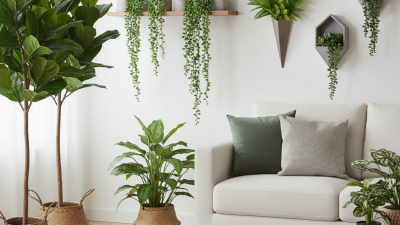
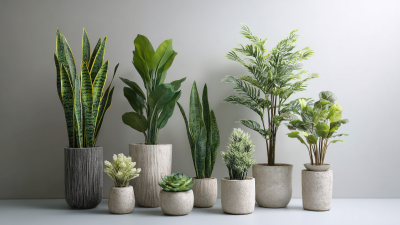
Choosing the right artificial plants requires careful consideration. Factors like size, color, and texture must align with your existing decor. It's essential to create a cohesive look that feels intentional. For instance, a tall fiddle leaf fig can become a striking focal point in an office, while small succulents may suit a cozy home setting. Sometimes, however, one might be tempted to overcrowd a space with too many options, which can backfire.
Overall, understanding your space and how "Artificial Plant Decor" fits into it is crucial. A thoughtful approach can elevate your environment significantly. Pay attention to the details, and remember, not every choice will be perfect. Reflecting on these elements will lead to a curated and harmonious atmosphere.
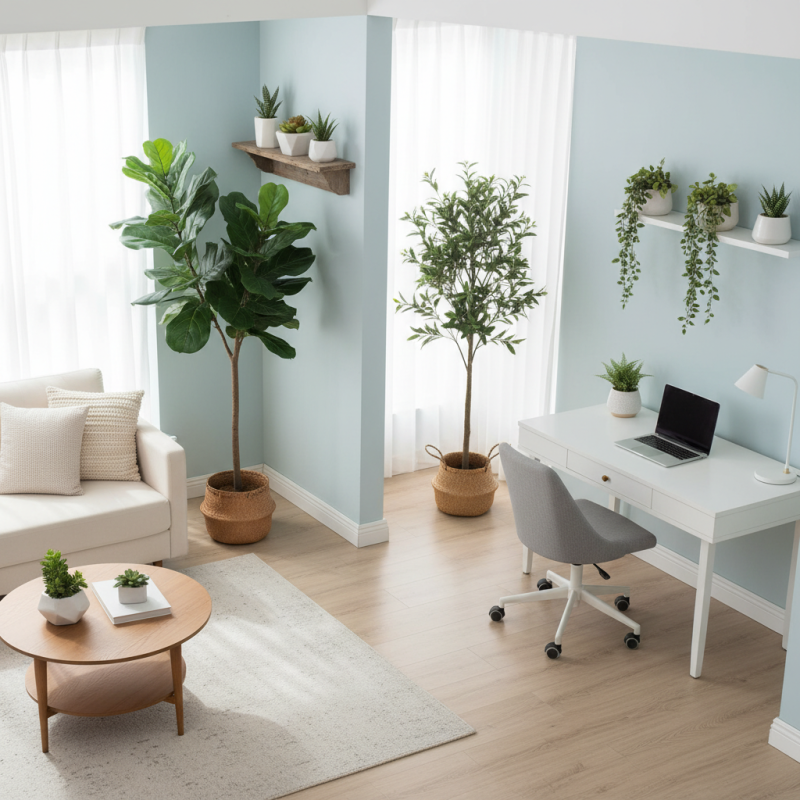
Factors to Consider When Selecting Artificial Plant Decor
Choosing the right artificial plant decor can greatly enhance your space. When selecting these faux beauties, consider their purpose. Will they add color, texture, or ambiance? Natural-looking plants can bring warmth. However, overly shiny or unrealistic options may detract from your decor.
Size matters. A large plant can serve as a focal point. It draws attention and fills empty corners. Smaller plants can accentuate shelves or desks. Make sure the scale matches your room's dimensions. Overcrowding with too many plants can create chaos.
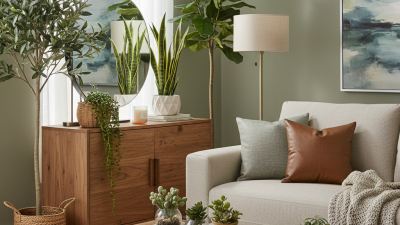
Tips: Pay attention to the color palette in your room. Choose plants that complement existing decor. If your space is neutral, consider vibrant greens. They create a refreshing contrast. Also, think about the maintenance aspect, even for artificial plants. Some require more dusting than others. Select options that fit your cleaning routine. Do not hesitate to mix different types of plants for a more dynamic look.
How to Choose Artificial Plant Decor for Your Home or Office? - Factors to Consider When Selecting Artificial Plant Decor
| Factor |
Description |
Considerations |
| Size |
Choose a size that fits the space without overwhelming it. |
Measure the area where you plan to place the plant. |
| Type of Plant |
Consider whether you prefer flowers, foliage, or trees. |
Research which plants look best for your environment. |
| Material Quality |
Higher quality materials provide a more realistic look. |
Look for UV-resistant options for brighter areas. |
| Color |
Select colors that complement your existing decor. |
Avoid overly vibrant colors that may clash. |
| Maintenance |
Consider how much time you're willing to spend on upkeep. |
Choose dust-resistant options for easier cleaning. |
| Budget |
Determine how much you want to spend. |
Explore options across different price ranges. |
Different Styles of Artificial Plants for Home and Office Environments
When selecting artificial plant decor for your home or office, style is crucial. Various styles cater to different aesthetics, creating unique atmospheres. For example, tropical plants like artificial palms can add a vibrant, lively feel. Research indicates that incorporating greenery, real or artificial, can enhance mood and productivity by up to 15%.
Sculptural plants, such as succulents or snake plants, bring a modern touch. They work well in minimalist spaces and require no maintenance. According to industry studies, about 75% of consumers prefer low-maintenance decor options. This trend reflects a desire for beauty without the burden of care.
Classic arrangements, such as faux ferns or topiaries, can inject a sense of timelessness into any environment. These choices often evoke sophistication and elegance. However, choosing styles that clash with existing decor can create an awkward ambiance. It's essential to reflect on how these artificial plants complement your space and personal taste.
Popular Styles of Artificial Plants for Home and Office
Material Quality: Evaluating the Realism of Artificial Plants
When choosing artificial plant decor, the material quality is essential. The realism of artificial plants largely depends on the materials used in their construction. High-quality options might include silk, plastic, or even latex. Inspecting the surface texture can reveal a lot. A glossy, shiny finish may indicate lower quality, while a matte texture often suggests a more natural look.
Tip: Look for UV-resistant materials. They help maintain color quality and prevent fading, ensuring your decor keeps its fresh appearance. Consider weight as well. Heavier plants may suggest sturdier construction.
Not all artificial plants are created equal. Some may look convincing from a distance but lack detail up close. Certain fake plants might have visible seams or poor craftsmanship. Always examine the leaves and stems. Faded colors can ruin the overall effect.
Tip: Choose plants with varied leaf structures. Those with intricate patterns often look more lifelike. Emphasize diversity in your decor to enhance visual interest. While it’s tempting to select the cheapest option, investing in quality can lead to better results.
Placement Tips: Where to Position Your Artificial Plants for Best Effect
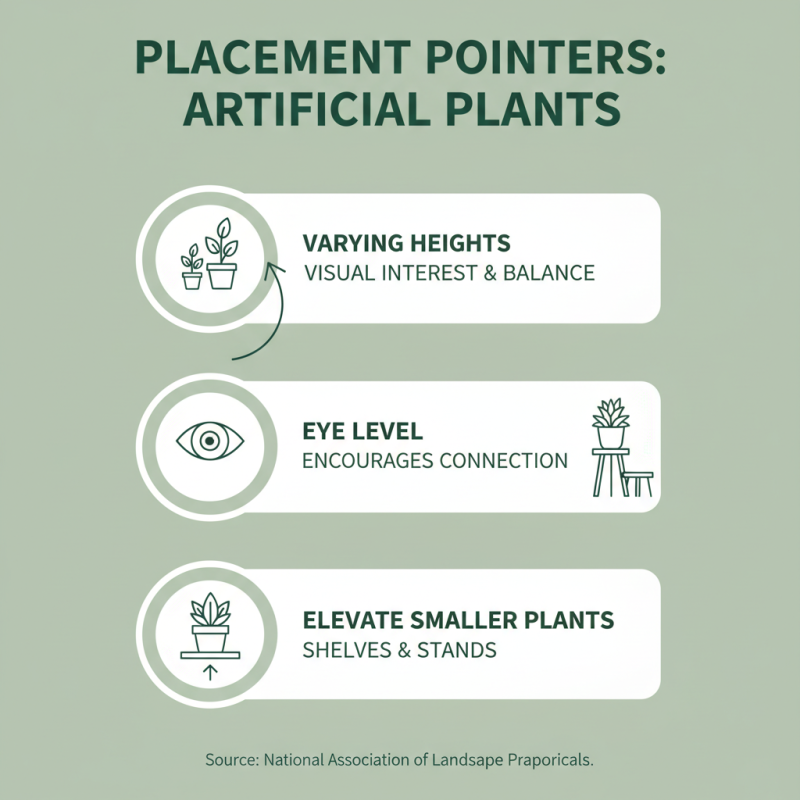
When positioning artificial plants, the goal is to create a sense of balance and harmony in your space. Placing plants at varying heights can significantly enhance visual interest. According to a study by the National Association of Landscape Professionals, arranging plants at eye level can encourage connection. They recommend shelves or stands to elevate smaller plants.
Consider the natural light in your room. Areas with lower light levels may benefit from vibrant greenery to uplift the ambiance. For instance, placing a bright artificial plant near a dark corner can invigorate the space. A report from the American Society of Landscape Architects indicates that green elements improve mood and productivity. Therefore, office setups should integrate them thoughtfully.
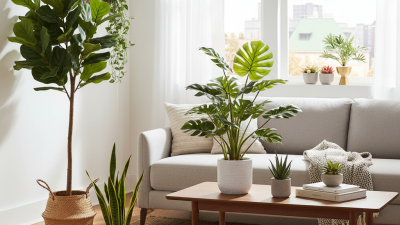
Incorporating artificial plants with varying textures can also add depth. A large leaf plant next to a spiky succulent creates contrast. Position such arrangements on desks or coffee tables for a welcoming effect. Keep in mind, over-clutter can make a space feel busy. Aiming for simplicity allows each plant to stand out. Experimentation may lead to unexpected charm.
Maintenance and Care Instructions for Longevity of Artificial Plant Decor
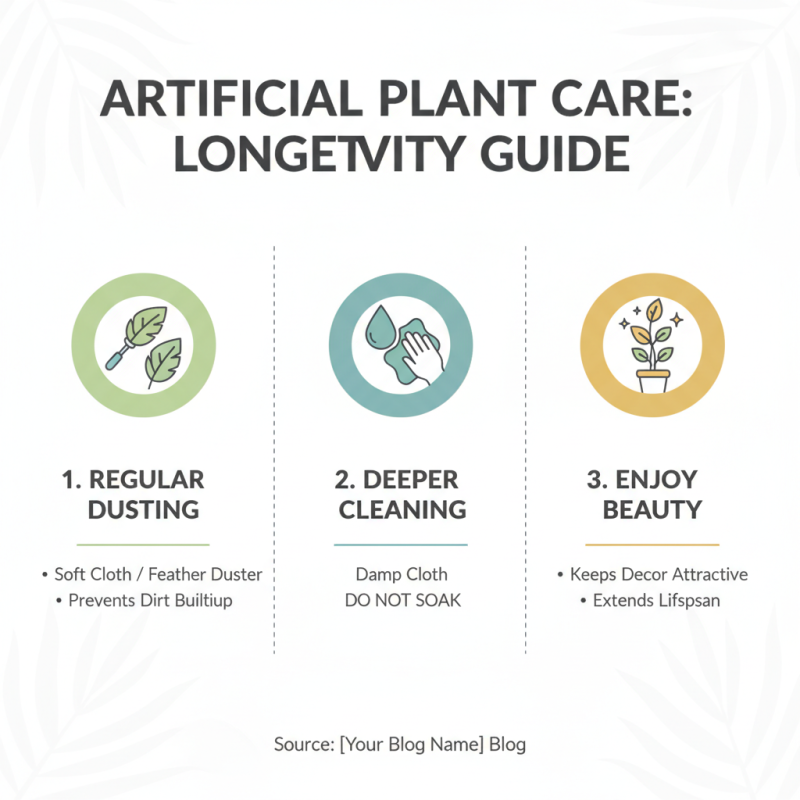
When it comes to artificial plant decor, proper maintenance is crucial for longevity. Regular dusting is essential to keep your plants looking fresh. Use a soft cloth or feather duster to gently remove dust. This simple action can prevent dirt buildup, ensuring your decor remains attractive. A damp cloth can be useful for deeper cleaning, but be careful not to soak your plants.
Lighting plays a significant role in the care of artificial plants. While they don't need sunlight, placing them in bright areas can enhance their appearance. Avoid direct sunlight, as this can fade colors over time. However, if you notice fading or wear, consider repositioning the plants to restore a vibrant look. Regularly assess their location and adjust as necessary to maintain an appealing display.
Storing artificial plants properly is also important. Dust-free storage can help extend their life. Use containers or bags that keep them safe from moisture and light. It may seem tedious, but this attention to detail can prevent damage. These ongoing care practices can lead to a longer-lasting and more beautiful display, even if you find it challenging to keep up with the routine at times.