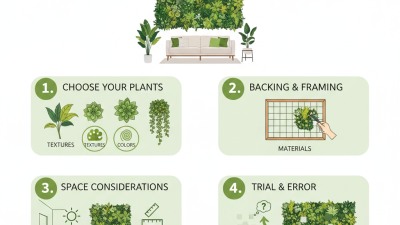
Top 10 Benefits of Using Artificial Plant Wall in Decor?
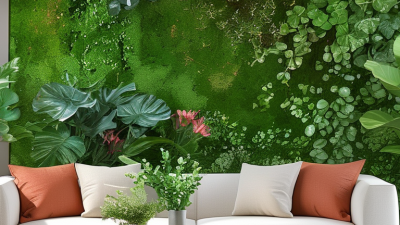
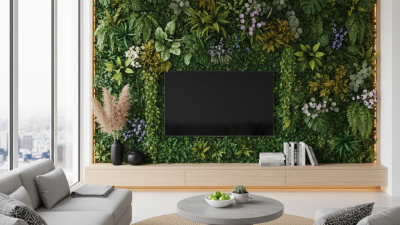
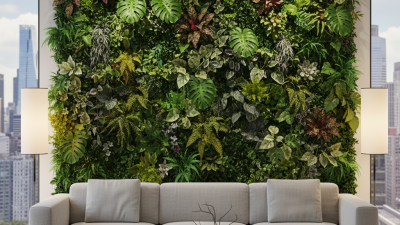
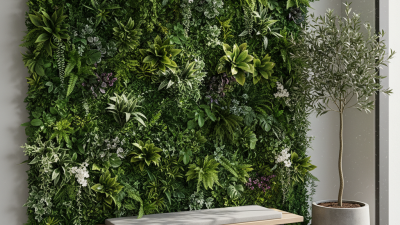
Decorating with an Artificial Plant Wall can transform any space into a vibrant oasis. These plant walls bring life and color to indoor areas, enhancing the overall atmosphere. Not everyone realizes the versatility of an Artificial Plant Wall. Its ability to fit various styles and settings is remarkable.
Designers and decorators appreciate the aesthetic appeal of these walls. They might provide a natural touch in a modern space. However, the practicality of maintaining these plants can be less than perfect. Unlike living plants, Artificial Plant Walls require no watering or sunlight, which is a significant advantage. Yet, they lack the environmental benefits that real greenery provides.
Incorporating an Artificial Plant Wall into décor makes creative statements. It’s an inexpensive way to showcase artistic flair. Still, it’s essential to choose high-quality options to avoid an artificial look. Some might find that their initial enthusiasm wanes with time, leading to a need for reflection on their choices. Balancing aesthetics and personal preferences is key when selecting such a decor element.
Benefits of Artificial Plant Walls in Interior Design
Artificial plant walls are transforming interior design. They not only add aesthetic value but also provide numerous advantages for urban dwellers. According to a recent study by the American Society of Landscape Architects, greenery in spaces can reduce stress by about 37%. The soothing visual of plants can create a more inviting environment in homes and offices.
One significant benefit of artificial plant walls is low maintenance. Unlike live plants, they require minimal care. Regular dusting is often sufficient. This aspect makes them ideal for busy professionals who appreciate a green touch without the upkeep. Moreover, these walls are versatile in design. They can fit any space, enhancing both commercial and residential areas.
Additionally, artificial plants do not pose allergy risks. A report from the Environmental Protection Agency indicates that indoor air quality can significantly impact health. With artificial plants, occupants can enjoy aesthetic beauty without triggering allergies. Still, using low-quality materials can diminish their visual appeal over time. Careful selection ensures a balance between beauty and durability.
Enhancing Aesthetic Appeal with Artificial Plant Walls
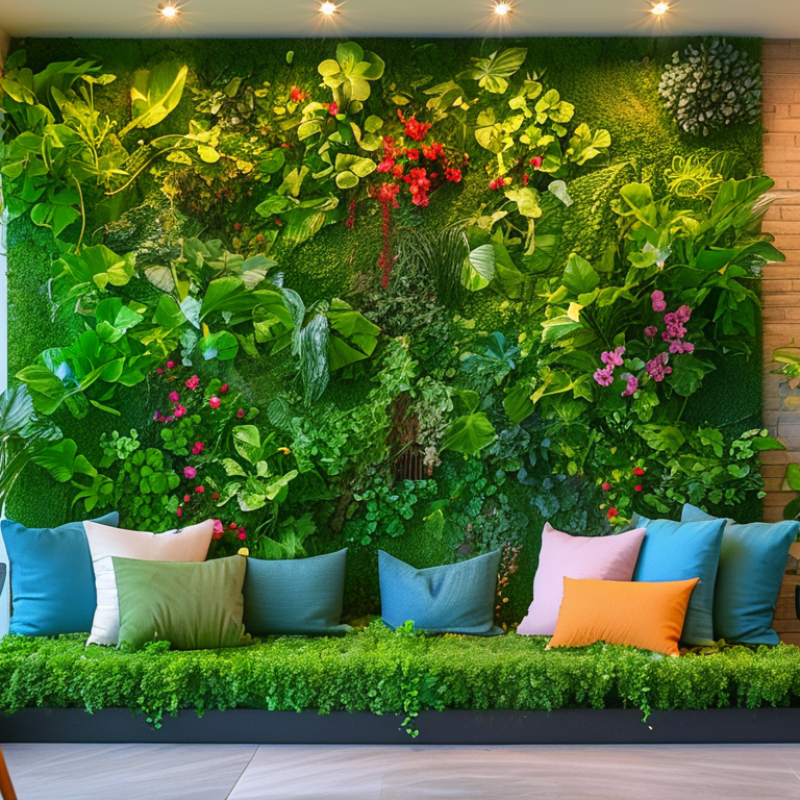
Artificial plant walls have gained popularity in modern decor, thanks to their striking visual appeal. They transform bland spaces into vibrant oases, breathing life into any room. The lush greens create a serene environment that can soothe the mind and enhance creativity. Each plant carefully selected adds depth and texture. This choice allows for endless customization, adapting to various styles.
Additionally, artificial plant walls are practical. They require no upkeep, unlike real plants. No need for watering or sunlight makes them suitable for any interior. However, the lack of real plants means missing out on scents and authentic natural beauty. It raises questions about authenticity in decor. Despite this, their longevity and ease of maintenance appeal to busy lifestyles.
Many find that a space with a plant wall feels more welcoming. It can be used in offices, homes, or public areas. The vibrant colors can define areas, guiding visitors or creating cozy corners. Still, the challenge remains in ensuring that materials used look as lifelike as possible. Creating a balance between aesthetic appeal and realism is key.
Top 10 Benefits of Using Artificial Plant Wall in Decor
| Benefit |
Description |
| Low Maintenance |
No watering, pruning, or sunlight required. |
| Long-Lasting |
Will last for years without fading. |
| Allergy-Friendly |
No pollen or allergens, safe for sensitive individuals. |
| Flexible Design Options |
Available in various styles and sizes to fit any space. |
| Space Optimization |
Maximizes vertical space in small areas. |
| Enhanced Aesthetics |
Adds greenery and vibrancy to dull spaces. |
| Eco-Friendly |
No harm to nature; made from recyclable materials. |
| Cost-Effective |
Less expensive in the long run than live plants. |
| Noise Reduction |
Helps absorb sound, creating a quieter environment. |
| Versatility |
Suitable for indoor and outdoor use. |
Low Maintenance Advantages of Using Artificial Greenery
The use of artificial plant walls in decor has surged in popularity, particularly due to their low maintenance advantages. Unlike natural plants, artificial greenery requires no watering, trimming, or sunlight. A study by the National Association of Landscape Professionals emphasizes that maintaining live plants can often take up to 10 hours a month. With artificial walls, you save time and make decorating hassle-free. They remain vibrant and lush throughout the year.
When opting for artificial plants, consider their long-lasting durability. Research from the American Society for Horticultural Science indicates artificial greenery can last 5 to 10 years, significantly reducing replacement costs for decor. This durability also means they hold up well in various environments, whether indoors or outdoors, without fading or wilting.
**Tips:** When selecting an artificial plant wall, ensure it mimics the texture and variety of live plants. Look for UV-resistant options if placing them outside. Regular dusting will enhance their appearance. Additionally, think about color combinations that complement your space to maximize aesthetic appeal. Choosing high-quality products can make a substantial difference in overall presentation.
Improving Air Quality with Artificial Plant Walls
Artificial plant walls offer a unique way to enhance interior spaces while positively impacting air quality. These designs emulate the look of lush greenery without the maintenance required for real plants. They are ideal for busy environments where time is limited. By incorporating various types of artificial plants, these walls can mimic natural ecosystems, providing an inviting atmosphere.
Beyond aesthetics, artificial plant walls can help improve air quality. They are often made from materials that can absorb dust and toxins. This means they can act as a filter, making indoor air cleaner. While they do not provide the same air-purifying benefits as live plants, they can still contribute to a healthier environment. Additionally, they require no water, reducing the risk of mold growth or moisture-related issues.
It's essential to remember that not all artificial plants are created equal. Some may contain harmful chemicals that could negate their intended benefit. Researching the materials used in these installations is crucial. The illusion of a vibrant plant wall can fall short if the products are of low quality. Balancing aesthetics and health benefits can be tricky but rewarding in the long run. Choosing high-quality options helps create a beautiful, safer space.
Cost-Effectiveness of Investing in Artificial Plant Decorations
Investing in artificial plant decorations offers significant cost benefits. Unlike natural plants, artificial options require no watering or special lighting. This eliminates ongoing maintenance costs. A report by the International Association of Plant Concept (IAPC) indicates that businesses can save up to 30% on maintenance when using artificial plants.
The initial purchase price of artificial plants may seem higher. However, their longevity offsets this cost. Research shows that high-quality artificial plants can last over five years, compared to natural plants that may need to be replaced several times a year. This longevity reduces the need for frequent purchases and labor, making them more economical in the long run.
Moreover, artificial plant walls can enhance a space without added energy costs. A study by the Green Building Council found that incorporating such materials in office design can improve employee productivity while keeping expenditures low. They also minimize the risk of allergens and pests, which can be a hidden cost when using real plants. With these factors, the true value of artificial plant decorations becomes apparent.