Top 10 Benefits of Using Artificial Plant Bonsai in Home Decor?
The rise of artificial plants in home decor has transformed interior design in recent years. According to a report by Global Market Insights, the artificial plant market is projected to reach over $6 billion by 2026. This growth indicates a shift toward low-maintenance, stylish decor options. One notable trend is the increasing popularity of the "Artificial Plant Bonsai."
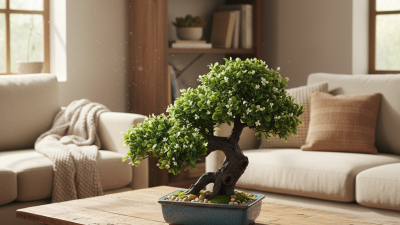
Expert in home decor, Dr. Sarah Green, emphasizes, "Artificial Plant Bonsai combines aesthetics with convenience, making it a perfect choice for modern homes." These miniature trees not only beautify living spaces but also add a sense of tranquility. While they offer visually appealing foliage, some may question their authenticity compared to real plants. However, advancements in design and materials have dramatically improved their realism.
Many homeowners hesitate to invest in Artificial Plant Bonsai because they wonder about their longevity. Some might worry about placement and size affecting the overall ambiance. Despite these concerns, the numerous benefits of artificial bonsai, including low upkeep and durability, make them an attractive addition to any home. In essence, they blend artistry with practicality.
Benefits of Artificial Plant Bonsai for Allergy Sufferers
Allergies can make home decor challenging, especially for sensitive individuals. Artificial plant bonsais offer a practical solution, enhancing aesthetic appeal without triggering allergy symptoms. A study from the Asthma and Allergy Foundation of America indicated that over 50 million people in the U.S. suffer from allergies. This statistic highlights the need for alternatives that provide beauty without the risk of allergens.
Unlike natural plants, artificial bonsais do not release pollen or mold spores. This feature can significantly benefit those with respiratory issues or hay fever. In addition, they require no soil, minimizing the likelihood of dust and insect infestations. A report from the American College of Allergy, Asthma, and Immunology reveals that indoor plants can harbor allergens, while artificial plants remain clean and safe.
Implementing artificial bonsais in interior settings not only adds elegance but also promotes better indoor air quality. They can be easily cleaned with a damp cloth, reducing dust accumulation. While they lack the air-purifying qualities of real plants, their aesthetic and practical advantages cannot be overlooked. Embracing artificial plants can be a thoughtful choice for allergy sufferers.
Top 10 Benefits of Using Artificial Plant Bonsai in Home Decor
| Benefit |
Description |
| No Maintenance |
Artificial bonsai do not require watering, trimming, or sunlight, making them hassle-free decorations. |
| Allergy-Friendly |
They do not produce pollen, making them ideal for allergy sufferers. |
| Long Lasting |
Artificial plants can last for many years without fading or wilting. |
| Versatile Design |
They come in various styles and sizes, fitting any decor theme or space. |
| Safe for Pets |
Unlike some real plants, artificial bonsai are non-toxic and safe for pets. |
| Cost-Effective |
They may have a higher upfront cost but save money on maintenance and replacements. |
| No Seasonal Changes |
Artificial plants maintain their appearance throughout the year, regardless of the season. |
| Easy to Clean |
They only require occasional dusting, making cleaning simple. |
| Creative Arrangements |
Their flexibility allows for unique and creative arrangements without the limitations of live plants. |
| Enhance Ambiance |
Artificial bonsai can enhance the aesthetic of any room and create a calming atmosphere. |
Long-lasting Beauty: Minimal Maintenance and Care Needed
The beauty of artificial plant bonsai lies in its low maintenance design. Unlike natural plants, they require minimal care. There’s no need for watering or sunlight, which makes them ideal for busy lifestyles. A study from the National Gardening Association shows that 68% of households lack time for plant care. Artificial bonsai solves this problem effortlessly.
These creations add a touch of elegance to any space. According to research by the American Society of Interior Designers, greenery can increase productivity by up to 15%. With artificial bonsai, you gain that aesthetic appeal without the hassle of upkeep. They are always vibrant and eye-catching.
However, some people may find that they lack the authenticity of real plants. Over time, dust may accumulate on leaves. Regular cleaning becomes necessary to maintain their visual appeal. This is a small effort compared to the constant care real plants demand. Balancing their beauty and upkeep is a worthwhile reflection for many homeowners.
Top 10 Benefits of Using Artificial Plant Bonsai in Home Decor
Versatile Decor Options: Adapting to Different Home Styles
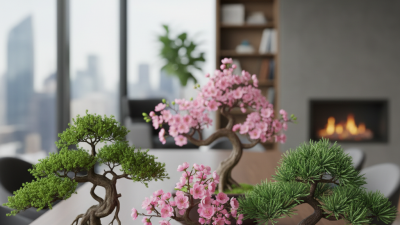
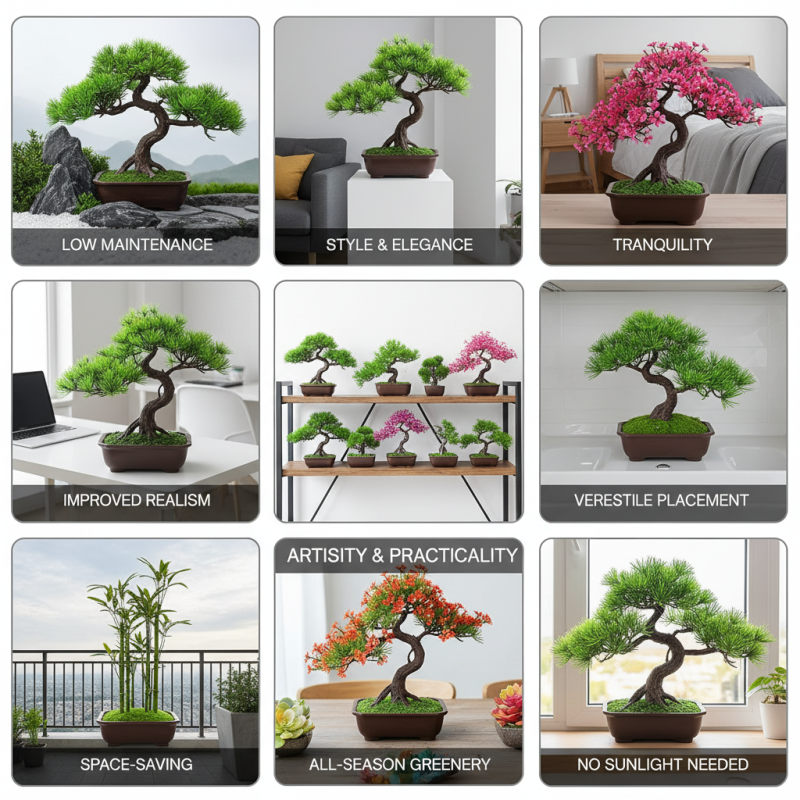
Artificial plant bonsai offers incredible versatility in home decor. Their adaptable nature makes them suitable for various styles, from traditional to modern. For a minimalist look, a simple bonsai can create a focal point without overwhelming the space. In contrast, a collection of bonsai in diverse pots adds a touch of color and texture to eclectic interiors.
Tips: When selecting bonsai, consider the size of your space. A large bonsai may dominate a small room. Conversely, multiple smaller pieces can fill a larger area without feeling cluttered. Always choose pots that complement your furniture style.
Bonsai can also enhance outdoor spaces. Placing them on patios or balconies can add greenery without the commitment of live plants. Yet, be mindful of seasonal changes. They may require extra care or repositioning based on sunlight and weather conditions. Strive to create a balance that reflects your personality while maintaining harmony with the overall decor.
Cost-Effective Alternative to Live Plants
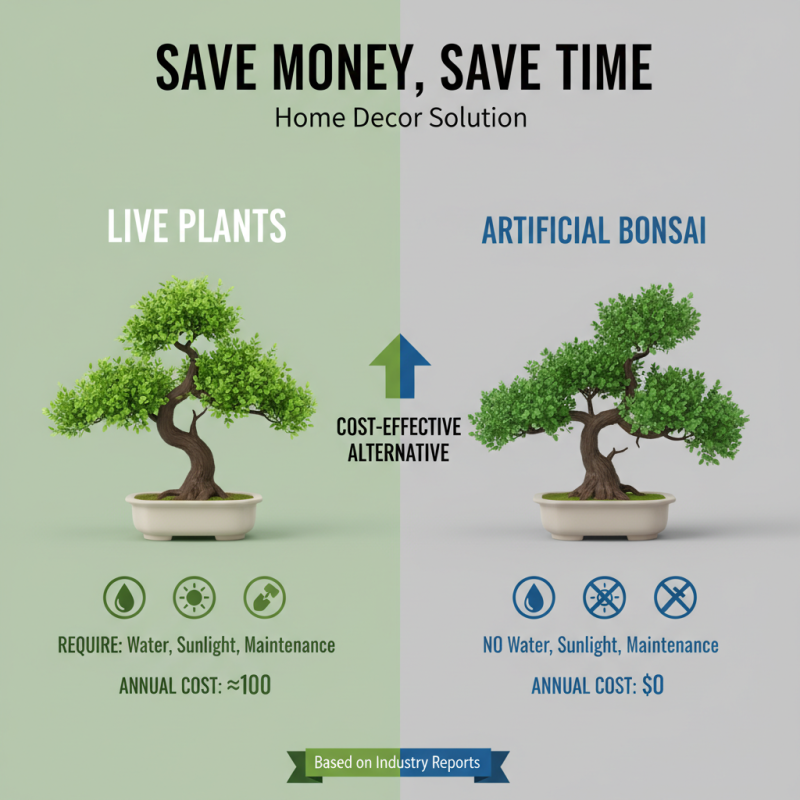
Artificial plant bonsai offers a cost-effective solution for enhancing home decor. Unlike live plants, they don’t require water, sunlight, or ongoing maintenance. This saves time and money. According to industry reports, maintaining live plants can cost homeowners approximately $100 a year, considering watering, fertilization, and replacement costs.
With an artificial bonsai, you make a one-time investment. Prices can range from $30 to $150, depending on size and quality. Once acquired, these beautiful decorations will last for years without the need for replacement. You enjoy the beauty of nature indoors without the hassle.
Moreover, working with artificial plants provides creative freedom. You can place them anywhere, without worrying about light conditions. Yet, it’s essential to consider that they lack the natural aroma and air purification qualities of live plants. This raises questions about the authenticity of the home environment. Although artificial bonsai is visually appealing, it may not evoke the same feelings as their living counterparts.
Ultimately, while the cost savings and low maintenance are clear benefits, one must weigh these against the potential loss of a vibrant, dynamic living ecosystem in the home.
Safe for Pets and Children: No Toxicity Concerns
Artificial plant bonsai offers a safe solution for home decor, especially in homes with pets and children. Traditional plants can pose toxicity risks. According to the American Society for the Prevention of Cruelty to Animals (ASPCA), many common houseplants are harmful to pets. This includes popular choices like philodendrons and pothos. In contrast, artificial bonsai ensures a beautiful aesthetic without the risk of ingestion or allergic reactions.
Families can enjoy the beauty of nature without worrying about their loved ones. Artificial bonsai can blend seamlessly into various decor styles. A report by the National Association of Home Builders indicates that home decor significantly influences mood and well-being. This places artificial bonsai in a distinct advantage, as they are both visually captivating and non-toxic.
Moreover, maintaining artificial bonsai requires minimal effort. There is no need for watering or sunlight. This feature appeals to busy families who value low-maintenance decor. However, one must reflect on the importance of real plants for air purification. It's essential to strike a balance between beauty and health benefits. While artificial bonsai are versatile, they lack the organic qualities of live plants.