Top Benefits of Artificial Green Walls for Modern Spaces?
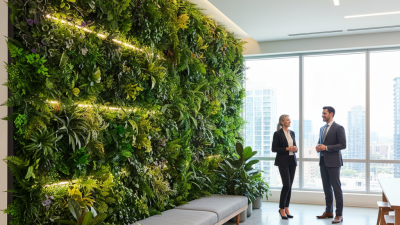
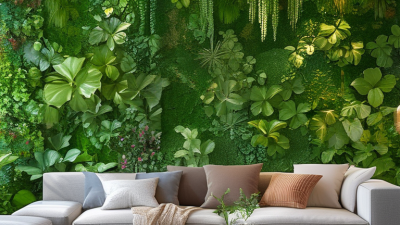
Artificial Green Walls are transforming modern spaces into vibrant ecosystems. These innovative installations bring nature indoors, enhancing both aesthetics and well-being. The growing demand for sustainable design has made Artificial Green Walls a popular choice for homes and offices.
One major benefit of Artificial Green Walls is improved air quality. They naturally filter pollutants, creating a healthier environment. Additionally, these walls reduce noise pollution and provide insulation. In busy urban settings, they serve as a refreshing escape from the concrete jungle.
However, the implementation of Artificial Green Walls does require careful planning and maintenance. Choosing the right plants is essential for long-term success. Regular upkeep can become an ongoing challenge for some. Yet, the rewards of integrating green walls often outweigh these issues, fostering a peaceful atmosphere that invites reflection and connection with nature.
Reasons to Incorporate Artificial Green Walls in Modern Design
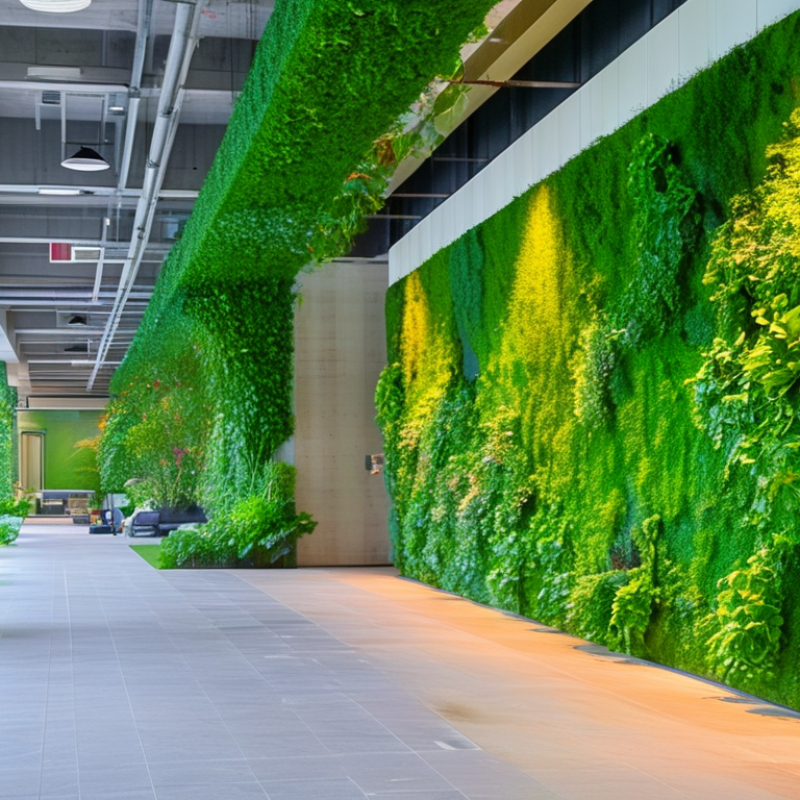
Incorporating artificial green walls into modern design brings a multitude of benefits. One major advantage is improved air quality. According to a study by the University of Technology Sydney, artificial plants can significantly reduce indoor air pollutants. These walls act as a natural filter, removing toxins and enhancing overall well-being.
Aesthetic appeal is also a key factor. Visual impact plays a significant role in attracting customers and enhancing their experience. Research indicates that biophilic design elements, like green walls, can increase customer satisfaction by 15%. Moreover, these structures can transform a sterile environment into a vibrant space that resonates with nature.
Maintenance is another consideration. Unlike real plants, artificial green walls require minimal care. They do not need sunlight or water, making them ideal for locations with limited resources. Yet, it's crucial to reflect on the longevity of materials used. While they are lower in upkeep, some artificial options may fade or deteriorate over time. This aspect requires attention when selecting products, underscoring the need for quality over mere aesthetics.
Aesthetic Appeal: Enhancing Visual Interest in Indoor Environments
Artificial green walls are transforming modern indoor spaces, enhancing aesthetic appeal and emotional well-being. According to a study by the University of Technology Sydney, indoor plants can improve productivity and creativity by up to 15%. This makes green walls not just a design choice but a strategic investment in workplace efficiency.
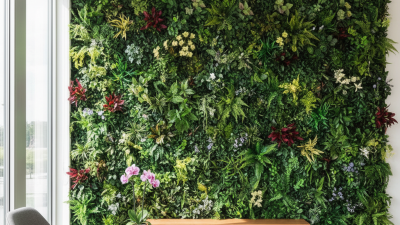
These installations introduce natural elements into concrete environments. Their presence can warm up sterile office spaces or introduce a touch of nature to bustling urban settings. The use of varying plants and textures can create visually captivating designs that stimulate the senses. A well-designed green wall can also reduce noise pollution, improving the overall ambiance in a room.
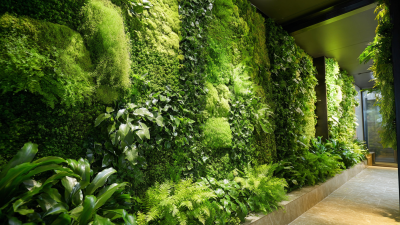
Consider integrating a green wall that suits your space. Focus on plants that thrive indoors, such as ferns or moss. Regular maintenance is essential to ensure their health and appearance. Pay attention to the lighting; some plants may need more than just ambient light. Choosing the right wall placement can drastically affect the wall's success. Embracing imperfections in plant growth can add character. Overall, allowing nature to coexist with modern design can create a rich, inviting environment.
Top Benefits of Artificial Green Walls for Modern Spaces
Space Optimization: Maximizing Limited Spaces with Vertical Greenery
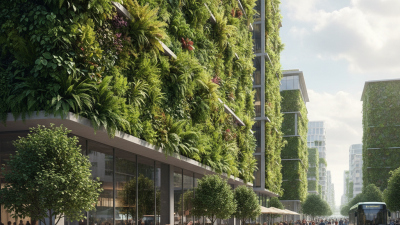
Vertical greenery transforms modern spaces, maximizing limited areas. With urban living becoming more compact, artificial green walls offer unique solutions. They allow for the incorporation of nature in places where ground space is sparse. This not only enhances aesthetics but also improves air quality indoors.
Designing for limited spaces can be challenging. Artificial green walls can be customized, fitting various room dimensions and styles. They can soften hard architectural lines and create a sense of serenity. However, it's crucial to consider maintenance requirements. Some may find it overwhelming to keep the greenery looking vibrant.
Additionally, the emotional benefits of plants cannot be overlooked. They can reduce stress and promote wellness. Yet, one must reflect on personal preferences. Not everyone may appreciate the same type of greenery. Balancing trends with personal taste is essential in creating an engaging atmosphere.
Top Benefits of Artificial Green Walls for Modern Spaces
| Benefit |
Description |
Impact |
| Space Optimization |
Utilizes vertical space efficiently, making small areas feel larger. |
Maximizes usable area, especially in urban settings. |
| Aesthetic Appeal |
Enhances the visual interest of indoor and outdoor spaces. |
Improves mood and promotes a welcoming environment. |
| Air Quality Improvement |
Helps filter pollutants and improve air quality. |
Contributes to better health and well-being. |
| Noise Reduction |
Absorbs sound and reduces noise levels in urban areas. |
Creates a more peaceful environment. |
| Energy Efficiency |
Provides insulation, reducing heating and cooling costs. |
Lowers energy consumption and costs. |
| Biophilic Design |
Encourages a connection to nature within built environments. |
Enhances creativity and productivity. |
Air Quality Improvement: Benefits of Artificial Green Walls for Indoor Health
Artificial green walls have emerged as a pivotal element in enhancing indoor air quality. According to a study from the University of Washington, indoor plants can reduce CO2 levels by up to 25%. This reduction can significantly improve overall respiratory health. In urban settings, where outdoor air pollution is a concern, artificial green walls serve as a practical, low-maintenance alternative to natural plants, filtering out harmful pollutants.
Moreover, researchers at NASA found that certain plants could remove volatile organic compounds (VOCs) from indoor air. These VOCs are commonly emitted from furniture, paints, and cleaning products. By integrating artificial green walls, organizations can create healthier work environments, which may lead to increased productivity. Improved air quality is linked to fewer sick days and enhanced cognitive function.
Despite their benefits, some might question the authenticity of artificial greenery. While they may lack the biological processes of live plants, many modern designs effectively mimic nature. It’s essential to select high-quality materials to ensure these installations do not emit harmful chemicals themselves. Thus, while artificial green walls contribute to better air quality, the choice of materials remains crucial for maximizing their positive impact.
Maintenance and Sustainability: Advantages of Low-Care Green Walls
Artificial green walls have gained popularity for their aesthetic appeal and practical advantages. One significant benefit is their low maintenance requirement. Unlike traditional gardens, these walls do not demand regular watering or extensive care. Most systems use automated irrigation, which reduces the need for human intervention. This feature is particularly appealing for busy urban environments.
Sustainability is another crucial aspect. Many artificial green walls incorporate eco-friendly materials. This choice not only promotes a healthier indoor atmosphere but also enhances energy efficiency. Green walls can help with insulation, reducing heating and cooling costs. They contribute to improved air quality by filtering pollutants, which is essential in urban settings.
While the benefits are clear, some challenges exist. Installation can be costly, and not all systems are durable. It’s important to select the right type based on environment and usage. Some may struggle with plant selection or system maintenance, highlighting the need for ongoing learning. Balancing these factors can ensure that the investment in green walls remains worthwhile.