What is Artificial Green Walls and How They Benefit You?
Artificial Green Walls have emerged as a revolutionary trend in urban design and landscape architecture. These green walls offer an innovative way to integrate nature into various environments. Experts in the field, like Dr. Emily Johnson, a leading horticulturist, emphasize their importance. She states, "Artificial Green Walls not only enhance aesthetics but also improve air quality."
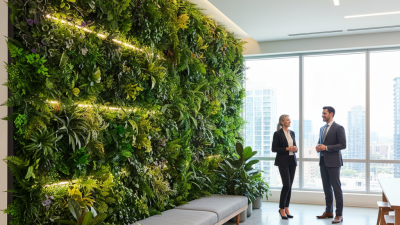
These walls are made of synthetic materials and mimics the charm of real plants. They require minimal maintenance, making them an appealing choice for many. Indoor spaces, such as offices and restaurants, benefit significantly from this greenery. They create a serene atmosphere, which can enhance creativity and reduce stress levels.
However, it is essential to acknowledge that while they provide numerous benefits, the environmental impact of these artificial components deserves reflection. Some might argue that they do not provide the same ecological advantages as living plants. Overall, Artificial Green Walls present both opportunities and challenges in our pursuit of greener spaces.
Definition and Overview of Artificial Green Walls
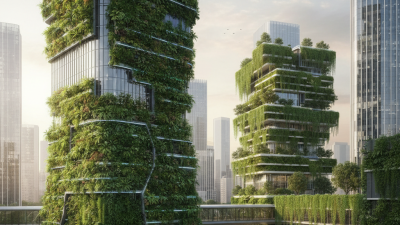
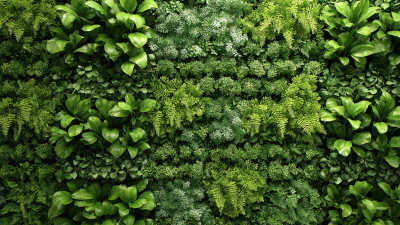
Artificial green walls, also known as vertical gardens, are innovative structures that incorporate plants into building facades. These systems can enhance aesthetics while promoting environmental benefits. They bring a splash of color and life to urban settings, often dull and gray. These walls can be installed indoors or outdoors, transforming spaces into lush retreats.
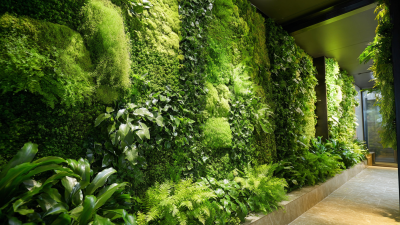
The design allows for various plant selections. Ferns, succulents, and flowering plants can thrive in these arrangements. By using specialized frameworks, these green walls support the growth of vegetation in limited spaces. They also provide insulation, reduce noise levels, and improve air quality. However, maintenance can be a challenge. Without proper care, some plants may struggle to thrive.
One common concern is the upfront cost of installation. Homeowners and businesses may worry about the financial commitment. Additionally, selecting the right plants for specific conditions requires expertise. That said, the long-term ecological and aesthetic benefits can outweigh initial concerns. With proper planning, artificial green walls have the potential to revolutionize how we interact with our environment, making it more vibrant and sustainable.
Components and Materials Used in Artificial Green Walls
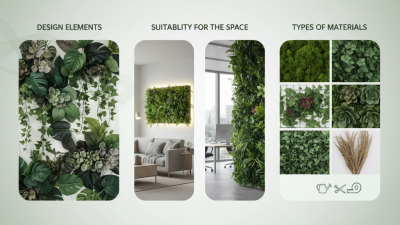
Artificial green walls, also known as vertical gardens, incorporate various components and materials. These walls often feature a framework made of durable materials like
aluminum or PVC. This structure supports the plants while ensuring stability.
The plants themselves are typically chosen for their hardiness and low maintenance needs. Commonly used species include
ferns, moss, and certain succulents.
These plants can thrive with minimal soil and are often grown in pockets or trays within the wall. Additionally, advanced irrigation systems are integrated to maintain moisture levels.
Synthetic materials are often used for aesthetics and practical purposes. These include artificial foliage, which can
mimic real plants closely. While some people may prefer real greenery, artificial options often require less upkeep. However, this can lead to
concerns about the visual impact and authenticity. The choice of materials impacts not just appearance but long-term sustainability, which is crucial for any artificial green wall.
Applications of Artificial Green Walls in Various Environments
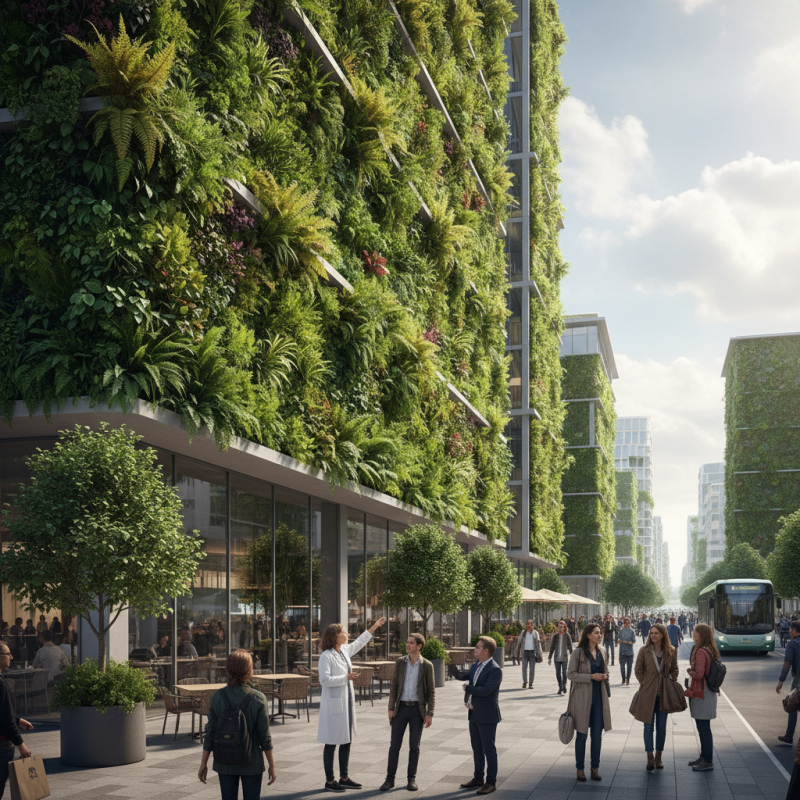
Artificial green walls are gaining traction in urban environments, where space is limited, and greenery is scarce. These systems can improve air quality by filtering pollutants and CO2. According to a study from the University of Technology Sydney, green walls can reduce indoor temperature by up to 5°C. This not only lowers energy costs for cooling but also improves comfort in commercial and residential settings.
In workplaces, artificial green walls enhance employee productivity and well-being. Research indicates that biophilic design can increase job satisfaction by 15%. In healthcare facilities, these walls contribute to faster healing times for patients. They also serve to reduce noise pollution, creating quieter, more peaceful spaces. Their adaptability makes them suitable for both outdoor and indoor applications.
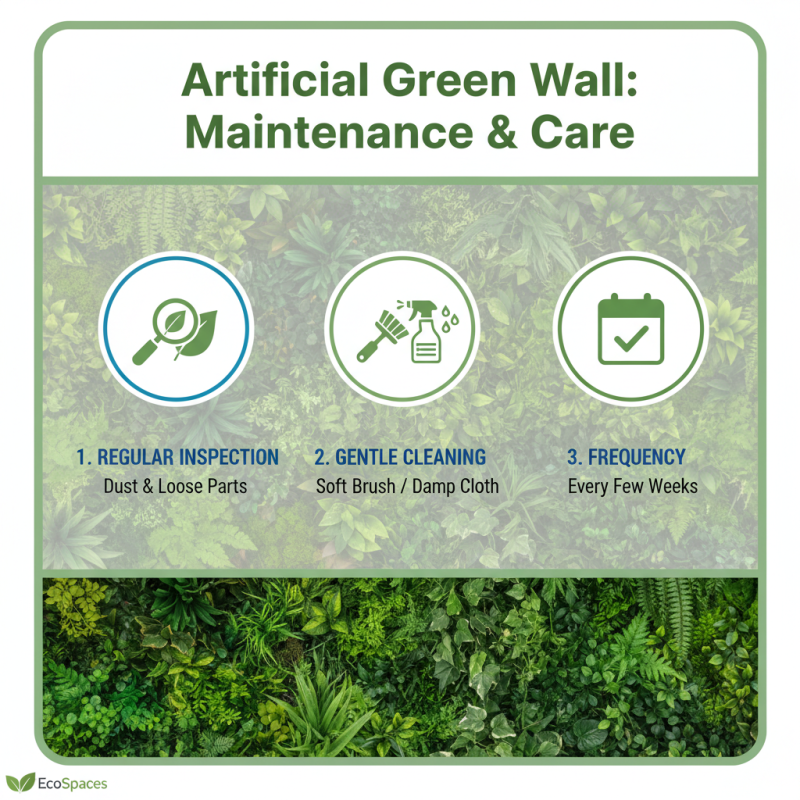
Tips: When installing an artificial green wall, ensure the materials are durable and low-maintenance. Regular cleaning is vital to prevent mold and algae growth. Moreover, consider the plant selection carefully based on the environment and light availability. Also, remember that not all walls may need a lush appearance; a minimalist design can be visually striking yet functional.
Benefits of Artificial Green Walls for Health and Well-Being
Artificial green walls are more than just aesthetic enhancements for any environment. They are designed to improve air quality and add a natural element to urban spaces. The presence of plants helps to filter toxins from the air. This can lead to better respiratory health for those who spend time nearby.
Health benefits extend beyond air purification. Studies show that greenery contributes to reduced stress levels and improved mental well-being. Being around artificial green walls may mimic the calming effects of nature. Engaging with these walls can foster feelings of relaxation and joy.
However, maintaining these installations requires attention. Dust and grime can accumulate on the surface, diminishing their effectiveness and visual appeal. Regular cleaning is necessary to ensure they continue to provide benefits. Observing changes in air quality and mental clarity can be a reflection of their upkeep and overall impact on health.
What is Artificial Green Walls and How They Benefit You? - Benefits of Artificial Green Walls for Health and Well-Being
| Benefit |
Description |
Impact on Health and Well-Being |
| Improves Air Quality |
Artificial green walls help filter indoor air pollutants and increase oxygen levels. |
Leads to better respiratory health and overall wellness. |
| Reduces Stress |
Natural aesthetics promote relaxation and tranquillity. |
Can lead to decreased anxiety and improved mental well-being. |
| Noise Reduction |
Plants absorb sound, providing a quieter environment. |
Enhances focus and concentration, beneficial for productivity. |
| Aesthetic Appeal |
Brings a lush, green look to otherwise dull spaces. |
Improves mood and enhances social interactions. |
| Energy Efficiency |
Helps insulate buildings and reduce heating and cooling costs. |
Contributes to long-term health by reducing energy costs and environmental impact. |