Why Choose Artificial Plant Trees for Your Home Decor?
When it comes to home decor, the choice of greenery can greatly influence the atmosphere of a space. Thomas Green, a leading expert in interior design and artificial plant trees, once remarked, "Artificial Plant Trees can bring life into any room without the fuss of maintenance." This statement encapsulates the appeal of these decorative wonders.
Artificial plant trees are becoming increasingly popular among homeowners. They provide an elegant solution for those seeking the vibrant look of real plants without the associated upkeep. Many people admire the aesthetic of lush greenery, yet they may struggle with plant care. In this context, artificial plant trees emerge as a reliable alternative.
In addition to their low maintenance benefits, these trees offer versatility. They come in various sizes and styles that complement different decor themes. However, some may resist using them, fearing they seem less authentic. It’s essential to strike a balance, embracing both real and artificial elements in decor. The right artificial plant tree can elevate a room while sparking conversations about design choices.
Advantages of Artificial Plant Trees in Indoor Environments
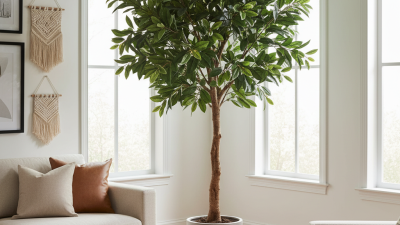
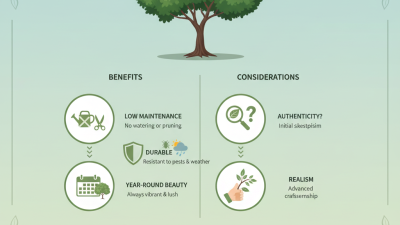
Artificial plant trees have gained popularity in home decor for various reasons. They add a touch of nature to your space without the upkeep of real plants. One significant advantage is their durability. Unlike real trees, they won't wilt or lose leaves. This means you can enjoy their beauty year-round. They also come in various styles, making it easy to find one that complements your existing decor.
Another benefit is the low maintenance required. With artificial trees, there's no need for watering, pruning, or fertilizing. This can save you time and effort, especially if you have a busy lifestyle. Moreover, they are perfect for individuals with allergies. Real plants can trigger allergic reactions or require specific humidity levels. Artificial trees eliminate these concerns, allowing everyone to enjoy a green environment.
However, it’s essential to choose high-quality materials that mimic real foliage. Some artificial plants may look overly plastic or unrealistic, which can detract from their aesthetic value. Regular dusting is also recommended to maintain their appearance. While artificial trees bring many benefits, thoughtful selection and care will ensure they enhance rather than detract from your home.
Industry Growth: The Rising Popularity of Artificial Plants in Home Décor
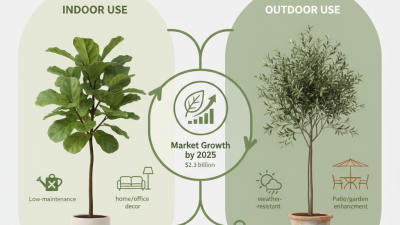
The trend of using artificial plant trees for home decor is on the rise. Many homeowners now prefer these long-lasting alternatives because they require minimal maintenance. Unlike real plants, which need watering and sunlight, artificial trees bring life into spaces effortlessly. This shift has been driven by busy lifestyles, where people value convenience.
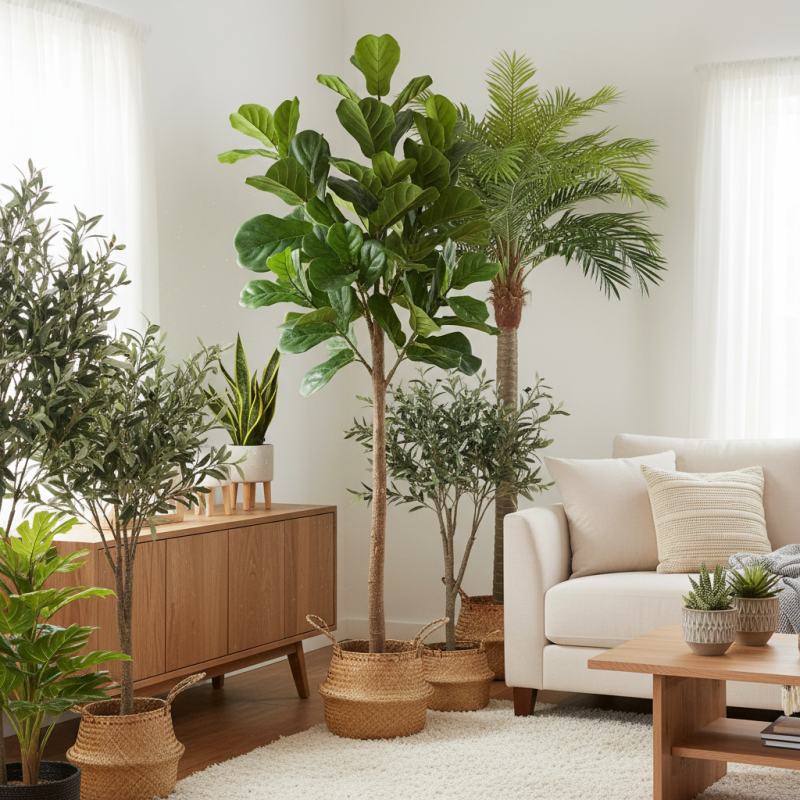
Another reason for the growing popularity is the advancement in technology. Modern artificial plants look incredibly realistic. They capture the essence of nature without the drawbacks. People appreciate the endless variety available, too. From tropical palms to elegant bonsais, there is a style for every home.
Yet, some might object to the absence of a natural fragrance. Others feel they lack the soul of a living plant.
There is also a growing awareness about sustainability. While artificial plants have a different environmental impact, they can last for years. This longevity reduces waste. However, the production materials are a concern for some consumers. It raises questions about quality and eco-friendliness. The choice between real and artificial remains a personal journey, inviting reflection on values and lifestyle choices.
Comparative Analysis: Artificial versus Real Plants in Maintenance Costs
When decorating your home, choosing between artificial and real plants can be challenging. One key factor is maintenance costs. Real plants require regular watering, fertilizing, and sometimes repotting. This can add up over time. In contrast, artificial plants need minimal upkeep. A quick dusting now and then is often all that’s needed. For busy individuals, this can be a game-changer.
Consider the long-term expenses associated with real plants. They might need replacement or special treatments due to pests. This can lead to unexpected costs. On the flip side, while the initial price of artificial trees can be higher, they last for years without additional spending. They don't wilt or die. This reliability is something many homeowners appreciate.
However, all plant enthusiasts know that nothing beats the vibrancy of real greenery. Some may miss the authenticity and atmosphere live plants bring. The artificial options might lack that natural charm. While you might save time and money with faux trees, it’s important to reflect on the emotional and aesthetic value of living plants in your space.
Why Choose Artificial Plant Trees for Your Home Decor? - Comparative Analysis: Artificial versus Real Plants in Maintenance Costs
| Type |
Initial Cost ($) |
Annual Maintenance Cost ($) |
Lifespan (Years) |
Care Requirements |
| Artificial Tree |
100 |
0 |
10+ |
Dust occasionally |
| Real Tree |
150 |
50 |
5-10 |
Watering, pruning, fertilizing |
| Artificial Foliage |
80 |
0 |
10+ |
Dust occasionally |
| Real Plant |
200 |
70 |
3-8 |
Watering, sunlight, temperature control |
Environmental Impact: Reducing Carbon Footprint with Artificial Trees
Choosing artificial plant trees for home decor can significantly reduce our carbon footprint. Real trees play a crucial role in absorbing carbon dioxide. However, when we opt for artificial options, we minimize deforestation. This choice can help in conserving natural resources and protecting our environment.
Artificial trees require no maintenance. They don’t need water, sunlight, or fertilizers. This leads to lower resource consumption. Furthermore, they last for years without degradation. Despite their benefits, it’s important to consider their manufacturing process. Some artificial trees may involve materials that aren’t eco-friendly. Finding options made from recycled or sustainable materials can be more beneficial.
Adopting artificial trees can still create an inviting atmosphere in your home. They can mimic the beauty of real trees without the long-term environmental impact. However, think critically about your choices. Ensure that your decor supports long-term sustainability goals. Adding artificial plant trees can enhance decor, but remember to balance aesthetic goals with ecological responsibility.
Aesthetic Value: Enhancing Home Design with Artificial Plant Trees
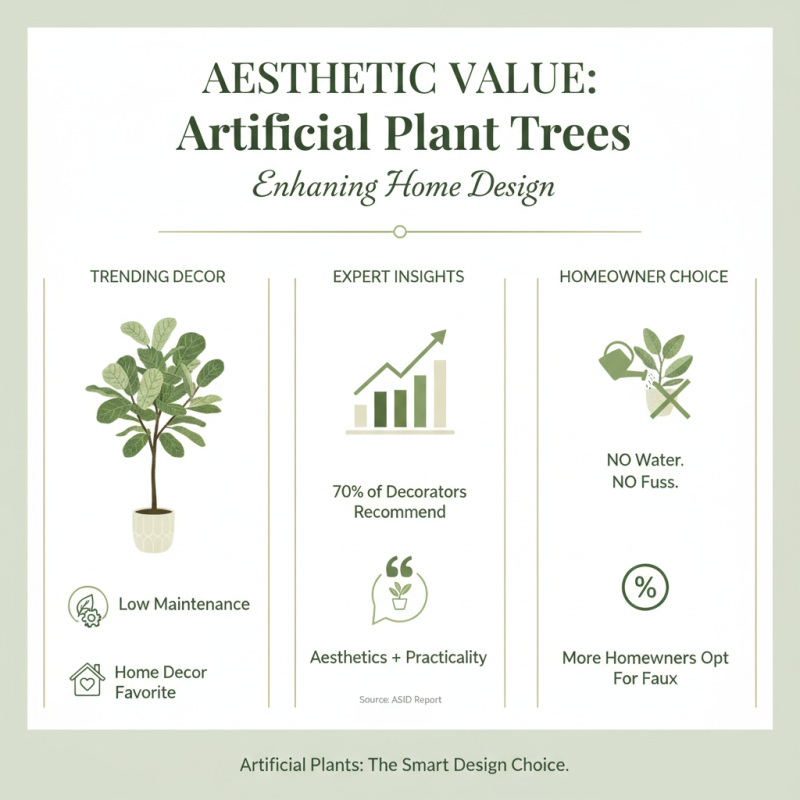
Artificial plant trees are gaining attention for home decor, blending aesthetics with practicality. According to a report by the American Society of Interior Designers, more homeowners are opting for faux plants due to their low maintenance requirements. In fact, 70% of decorators recommend them for enhancing interior spaces.
These artificial trees come in various styles and sizes. They add depth and color to a room without the hassle of watering or pruning. A study from the National Association of Landscape Professionals highlights that 60% of homeowners want greenery in their homes but struggle to maintain live plants. This is where artificial options shine. They can have a significant impact on a room's ambiance, creating a calming atmosphere.
However, it's essential to choose wisely. Not all artificial plants are created equal. Some may look overly synthetic, compromising the overall design. Investing in high-quality pieces is crucial to achieve that natural feel. Observing your space is key; mismatched styles can detract from your decor. Therefore, understanding your design intentions is necessary when incorporating these elements.