2026 How to Choose the Perfect Garden Decor Tree for Your Outdoor Space?
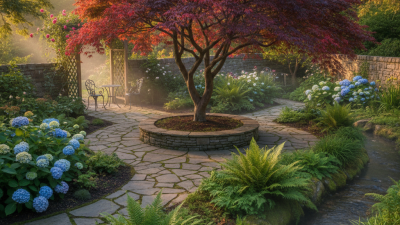
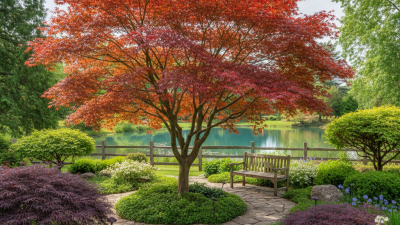
When designing an outdoor space, choosing the right Garden Decor Tree is crucial. According to the National Gardening Association, over 50% of homeowners prioritize landscaping in their outdoor projects. Garden Decor Trees serve not only as aesthetic enhancements but also as focal points in a landscape. Expert horticulturist, Dr. Emily Carter, states, “A well-placed tree can transform a garden from ordinary to extraordinary.”
Selecting the perfect Garden Decor Tree involves considering the climate, available space, and personal style. Reports indicate that more homeowners are opting for unique, sustainable tree varieties. In fact, a recent study found that native species can thrive better and require less maintenance. However, it can be challenging to find trees that match your vision while also being environmentally friendly.
As you explore options, remember that imperfections may arise. Not every tree will flourish as expected, and some may even require additional care. It’s essential to reflect on your choices and stay flexible. Ultimately, the right Garden Decor Tree can elevate your outdoor experience, making it both beautiful and functional.
Understanding the Different Types of Garden Decor Trees Available
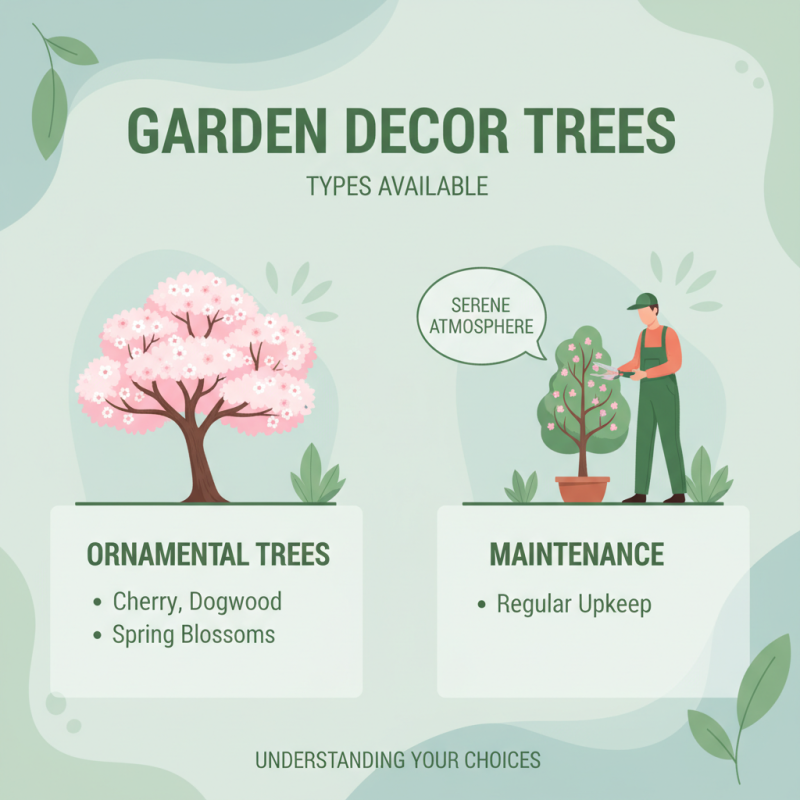
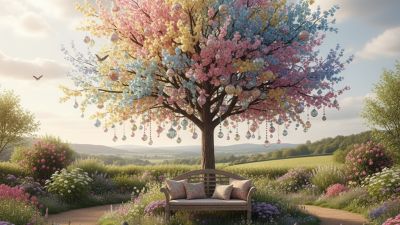
When selecting a garden decor tree, it’s essential to understand the various types available. Ornamental trees, like cherry or dogwood, are popular choices. They bring stunning blossoms in spring. These trees often create a serene atmosphere in any outdoor space. However, they may require regular maintenance.
Evergreen trees, such as pines and firs, add year-round color. They provide a lush, comforting presence in winter months. However, their size can become overwhelming in small gardens. It’s crucial to consider the mature height and spread of these trees before planting.
Fruit-bearing trees, like apple or citrus, not only enhance beauty but also offer utility. They can attract birds and other wildlife, enriching your garden’s ecosystem. Yet, these trees might require specific care and attention to thrive. Understanding your space and climate is key to making the right choice. Reflecting on your gardening goals can lead to a satisfying outcome.
Assessing the Size and Space Requirements for Your Outdoor Area
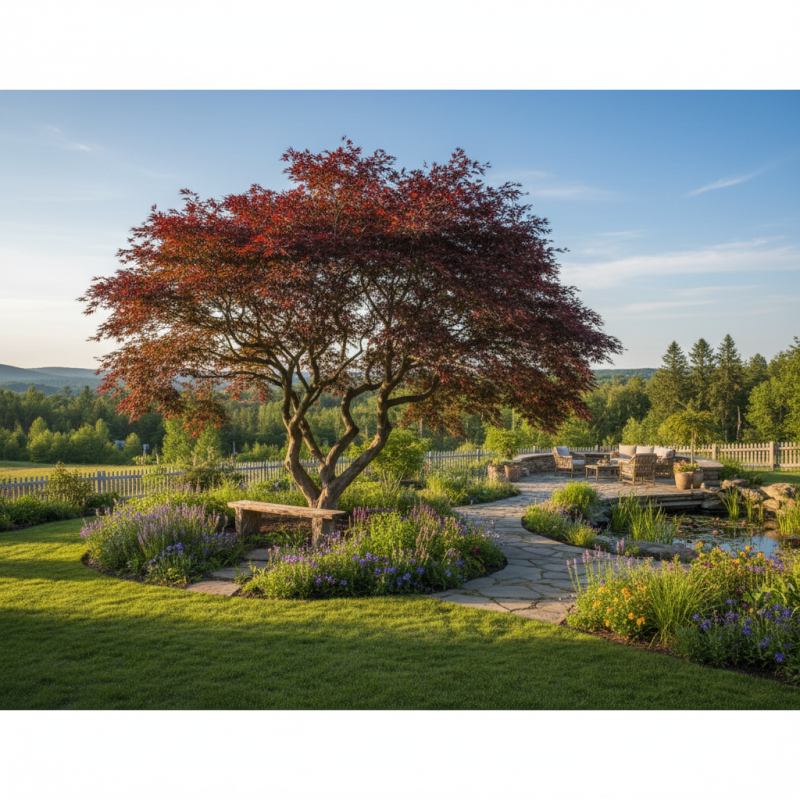
When considering the perfect garden decor tree, size and space are crucial factors. A large tree can dominate a small yard, making it feel cramped. On the other hand, a petite tree might get lost in a vast landscape. Measure your outdoor space carefully. The height and width of the tree should fit comfortably within your space. Use markers or ropes to visualize the tree's spread. This will help you avoid unexpected overgrowth.
Be mindful of the tree's placement. It should complement your garden's layout. Consider the sunlight and shade needs of both the tree and other plants. A tree too close to the house can obstruct views or even cause damage during storms. Research different species to understand their mature size. Some may seem small at first, but they can grow substantially. Reflect on how the tree will evolve over time. A tree that thrives today might not mesh well with future landscaping plans. Balancing beauty and practicality ensures a harmonious garden design.
2026 Garden Decor Tree Size Assessment
This chart represents the number of suitable garden decor trees based on their size categories. When choosing the perfect garden decor tree for your outdoor space, consider how each size will fit within your available area.
Selecting the Right Material and Style for Your Garden Theme
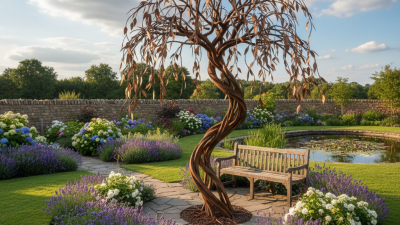
When selecting garden decor trees, material and style play crucial roles. Durable materials, like metal, wood, and fiberglass, can affect the longevity of your decor. For instance, a survey by the National Gardening Association highlights that 75% of homeowners prefer metal sculptures for their resilience. Wood offers a rustic charm but may require maintenance. Understanding your garden's theme can guide material choice.
Style is equally important. Traditional designs, such as wrought iron, complement classic gardens. Conversely, modern geometric shapes suit contemporary spaces. According to a landscape design report by the American Society of Landscape Architects, 65% of homeowners find that cohesive styles enhance their outdoor aesthetics.
Specific details can elevate your garden decor experience. Brightly colored decor stands out against greenery. Subtle, muted colors can create a calm sanctuary. Reflect on how each element interacts with nature. The right balance between material, style, and color can lead to an inviting outdoor space that speaks to your personal taste.
Considering Seasonal Impacts and Maintenance Needs
When selecting a garden decor tree, consider seasonal impacts and maintenance needs. Trees bring life to outdoor spaces, but they require careful thought. Different trees thrive in various climates. Think about your local weather patterns. Will your choice flourish in winter? Will it withstand summer heat? These factors can shape your decision.
Maintenance is another critical element. Some trees require regular pruning, while others are low-maintenance. A tree that sheds leaves in autumn might be beautiful but can create extra work. Think about how much time you can dedicate to upkeep.
Opting for a hardier tree can save you hassle.
Tips: Research native species. They require less water and adapt better. Choose a tree that fits your space. This avoids overcrowding and allows for proper growth. Remember, every tree can change your garden's dynamic and visuals. Careful planning leads to a vibrant outdoor area.
Incorporating Lighting and Other Features for Enhanced Aesthetics
When selecting a garden decor tree, incorporating lighting can significantly enhance its visual appeal. For instance, studies indicate that well-placed lighting can increase outdoor aesthetics by up to 60%. Strings of fairy lights or subtle uplighting can transform a simple tree into a stunning focal point at night. This not only highlights the tree’s shape and texture but also creates a warm, inviting atmosphere in your outdoor space.
In addition to lighting, think about integrating other features. Consider decorative planters or small sculptures that complement your tree. A report from the American Society of Landscape Architects found that 70% of homeowners who include such elements feel more satisfied with their outdoor spaces. Yet, it’s essential to avoid clutter. A minimalist approach often yields the best results. Review how various elements interact with each other. Does the lighting overshadow the tree, or does it enhance its beauty? Reflecting on these questions can lead to more thoughtful and enjoyable designs.