How to Choose the Best Artificial Plant Tree for Your Space?
Choosing the right Artificial Plant Tree can transform your space dramatically. According to Dr. Emily Greene, an expert in interior landscaping, "An Artificial Plant Tree can enhance ambiance without the care commitment of real plants." This expertise highlights how these trees offer beauty and convenience.
When selecting an Artificial Plant Tree, consider your room's light and size. A larger tree might overwhelm a small room. Conversely, a small tree can look lost in a spacious area. The material quality also plays a crucial role. Brands differ in realism and durability.
Reflecting on your choices is vital. Many people sometimes rush in picking an Artificial Plant Tree. This can lead to regret when the tree doesn’t fit or looks unnatural. Take your time to assess fit and design. A thoughtful selection process ensures that your Artificial Plant Tree enhances your home’s aesthetic effectively.
Factors to Consider When Selecting an Artificial Plant Tree
Choosing the right artificial plant tree for your space can be a delightful yet overwhelming experience. Several factors deserve attention. Start by examining the size of your area. A tall, slender tree might suit narrow corners, while a bushier tree works well in more open spaces. Analyze your current decor. The tree should blend seamlessly with existing colors and styles.
When selecting an artificial plant tree, consider the material. Some trees look realistic, while others can appear cheaper. High-quality options use silk or polyethylene for a more natural appearance. Think about maintenance, too. Some trees require dusting, while others are nearly maintenance-free. Ask yourself: will you mind the upkeep?
Tips: Always measure before purchasing. A tree that is too large can overpower your space. Look for trees with well-designed trunks and realistic foliage. These details enhance their authenticity. Lastly, reflect on where you will place the tree. Lighting can affect how it looks in your home. This can lead to some trial and error in your selection.
Understanding Different Types of Artificial Plant Trees
When it comes to selecting the best artificial plant tree, understanding the various types available is crucial.
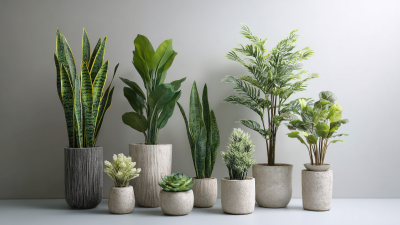
There are numerous styles, including ficus, palm, and bamboo.
Each type brings distinct aesthetics and feels. According to a report by the National Gardening Association,
30% of consumers prioritize style when choosing artificial plants. This makes it vital to consider your space's decor.
Ficus trees offer a classic look. They work well in traditional settings, adding elegance.
On the other hand, palm trees are more suited for tropical or modern decors.
Their leafy design can create an airy feel. A study from the American Society of Landscape Architects found that
greenery can improve mood and productivity by 15%. Opting for the right tree can influence your environment positively.
Many consumers overlook maintenance. While artificial plants are low-maintenance, keeping them clean is essential.
Dust gathers easily on leaves. Annual cleaning might be needed. Some trees may not look as realistic as others.
This can diminish your space's overall appeal. A balance between realism and style is key.
Choosing the right artificial plant tree demands thoughtful consideration.
Assessing the Size and Height Requirements for Your Space
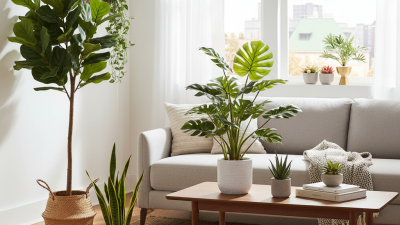
When selecting an artificial plant tree, size and height are crucial factors. A tree too tall can overwhelm a room. Conversely, one too small may go unnoticed. Start by measuring your space. Consider the height of furniture and ceilings. Place the tree in a spot where it can thrive visually.
Visualize the tree’s impact. Does it enhance the room's aesthetics? Is it proportionate to other decorations? Think about how the tree's scale interacts with items in your space. For example, a tall tree can create an illusion of higher ceilings, while a bushier tree can soften sharp corners.
Don’t rush your choice. Sometimes, the ideal tree is not immediately apparent. Reflect on how the size complements your design. You may find that a mid-height option adds warmth without dominating the landscape. Experiment with different heights to discover what feels right. Always keep the environment in mind and ensure it feels balanced.
Height Requirements for Artificial Plant Trees in Different Spaces
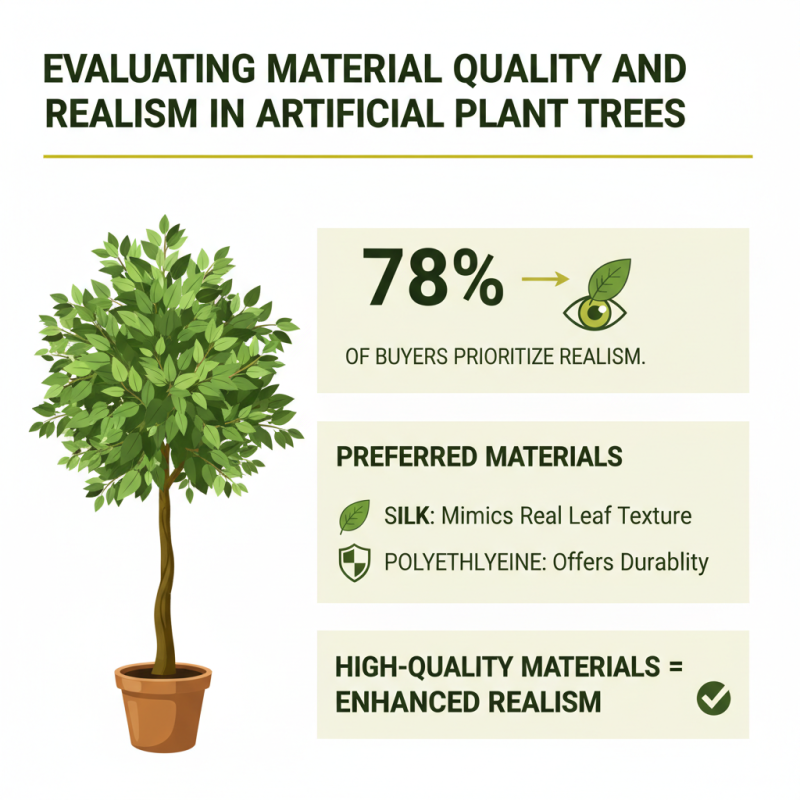
Evaluating Material Quality and Realism in Artificial Plant Trees
When selecting an artificial plant tree, material quality is crucial. High-quality materials enhance realism. Many consumers prefer trees made from silk or polyethylene. According to industry reports, about 78% of buyers prioritize realistic appearance when choosing artificial plants. Fabrics like silk mimic the texture of real leaves, while polyethylene offers durability.
Realism also extends to size and shape. Accurate proportions make a noticeable difference. Research shows that artificial trees that accurately replicate their live counterparts evoke a more natural feel in homes and offices. Pay attention to details like leaf veins and stem textures. Some trees fail to capture these nuances, leading to an unrealistic appearance.
Investing in artificial plants can transform a space. Yet, some consumers overlook the importance of evaluating these elements. A poorly designed tree can detract from your décor. Seek trustworthy reviews or expert recommendations to ensure you’re making the right choice. Always assess the materials used and the level of detail in the design. This careful evaluation leads to better satisfaction in your selection.
Choosing the Right Style to Complement Your Interior Design
When selecting an artificial plant tree, style plays a crucial role in matching your interior design. According to industry reports, 70% of homeowners believe that greenery enhances their space. A thoughtfully chosen plant can serve as a statement piece or provide a subtle touch of nature.
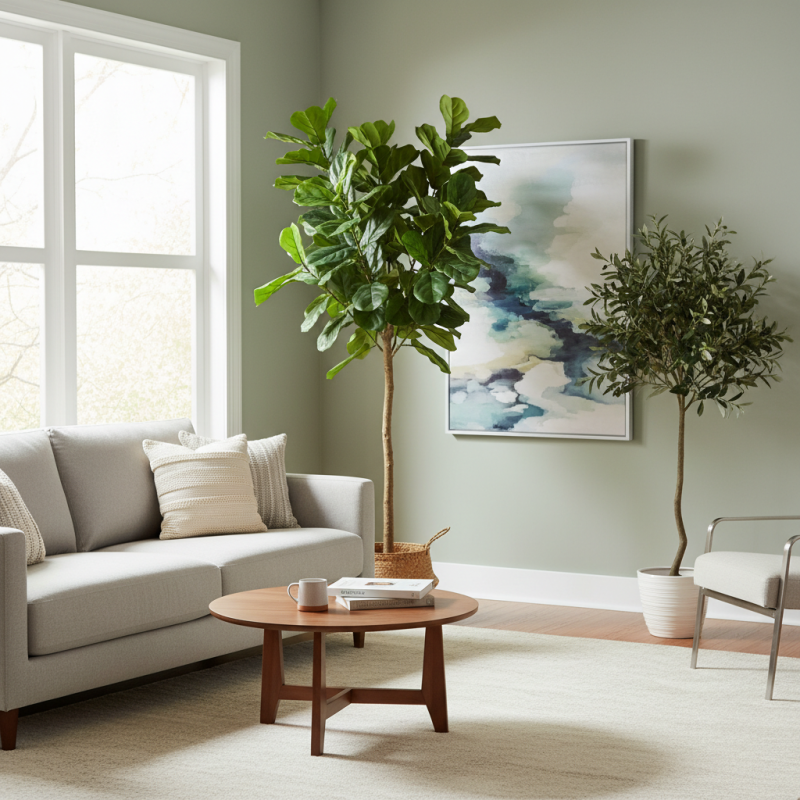
Consider the theme of your room. For a modern aesthetic, opt for sleek, minimalist trees with clean lines like fiddle leaf figs. These trees often have robust foliage, adding a fresh feel to contemporary interiors. Alternatively, if your space leans towards bohemian decor, choose trees with fuller, more textured leaves. These can create a cozy, inviting atmosphere.
Be mindful of scale and placement. A large artificial palm in a corner can transform the space dramatically, while smaller topiaries may suit a more intimate setting. The positioning enhances visual balance. A recent survey indicated that 65% of respondents felt that proportionate sizes improved the overall harmony of a room. Feel free to mix sizes but ensure they visually resonate with their surroundings. Reflect on your choices—every detail matters in interior design.