How to Choose Artificial Plant Decor for Your Home?
Choosing the right Artificial Plant Decor for your home can be a daunting task. According to renowned interior designer Anna Griffin, "The secret lies in finding pieces that evoke a sense of nature without overwhelming your space." This insight reflects the delicate balance needed when integrating artificial plants into your home decor.
Artificial plants offer a practical solution for bringing greenery indoors. They require no maintenance and can thrive in low-light areas. However, selecting the right ones can be challenging. Many options exist, and not all will harmonize with your decor style. A mismatched piece can feel out of place and disrupt your carefully curated environment.
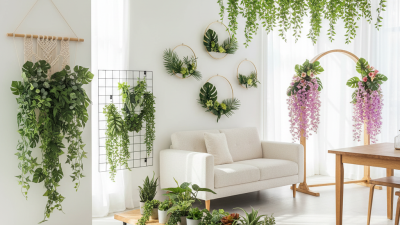
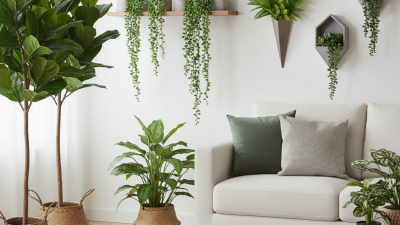
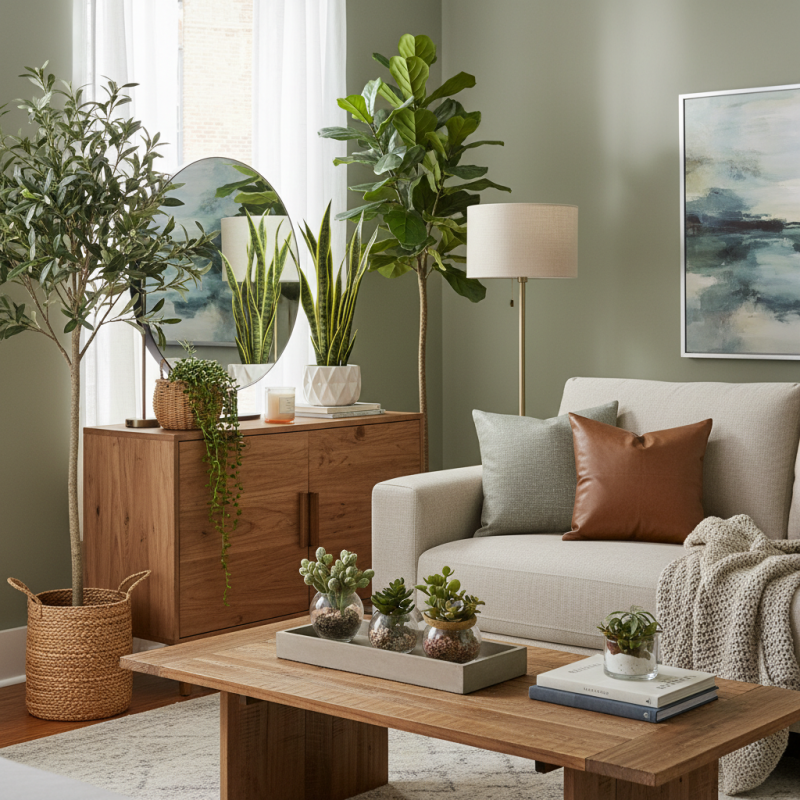
Consider the scale and color of the artificial plants. Oversized options can command attention, while smaller varieties offer subtle accents. Aim for a mix of textures to create a realistic look. Reflect on the settings where these plants will reside. Think of how they interact with furniture and lighting. Remember, the goal is to enhance your home, not clutter it with unnecessary items.
Understanding the Benefits of Artificial Plants in Home Decor
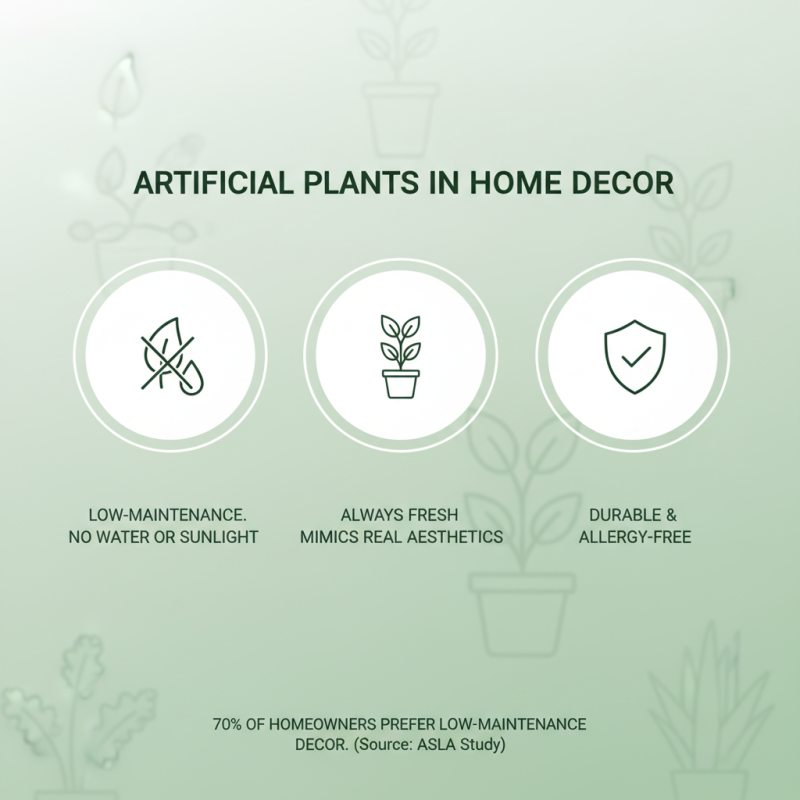
Artificial plants have become increasingly popular in home decor due to their numerous benefits. A study by the American Society of Landscape Architects indicates that 70% of homeowners now prefer low-maintenance decor options, making artificial plants an ideal choice. They mimic the aesthetics of real plants without the hassle of watering or sunlight.
One significant advantage of artificial plants is their durability. Unlike natural plants, they won't wilt or die, ensuring your home remains vibrant year-round. Indoor air quality is also improved with certain artificial varieties made from eco-friendly materials. These options are not only visually appealing but safe for your home environment. Reports suggest that 80% of people believe that adding greenery, real or artificial, enhances mood and well-being.
However, it's crucial to consider the drawbacks as well. Some artificial plants can look overly synthetic, detracting from the home's natural feel. Regular cleaning is needed to maintain their appearance and prevent dust accumulation. Balancing realism and maintenance is key when selecting pieces for your space. It's worth investing time in exploring various options to find what truly complements your home.
Identifying Different Types of Artificial Plants for Your Space
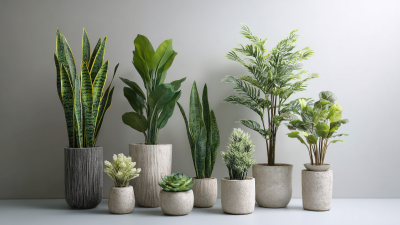
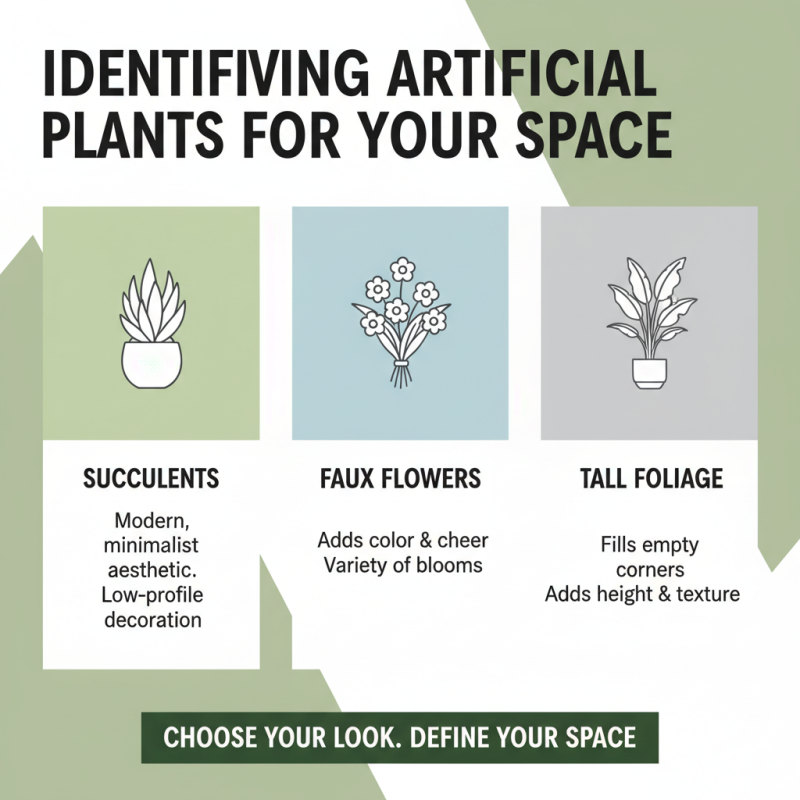
When selecting artificial plants for your home, understanding their types is crucial. Different artificial plants serve various aesthetics and purposes. For instance, succulents can add a modern vibe. Meanwhile, faux flowers can brighten up a room. Understanding the look you want is a key step.
Tips: Look for plants that match your decor style. Consider colors and textures that complement your space. PVC plants often look more realistic than cheaper alternatives. A mix of sizes can create depth in your arrangement.
Natural elements play an essential role in interior design. However, not all artificial plants mimic real ones perfectly. Some can look overly shiny or fake. Reflect on how well a plant fits into your environment before making a decision. The right choice enhances your space, while the wrong one can feel out of place.
Evaluating Size and Scale for Proper Placement in Your Home
When selecting artificial plant decor, size and scale play a crucial role. A large artificial tree can serve as a stunning focal point in a spacious living room. However, in a small apartment, it may overwhelm the space. Measure your area before making a choice. This helps ensure the plant fits seamlessly into your home.
Consider the height and width of the artificial plants. A tall slim cactus may suit narrow corners, whereas a bushy fake fern works well in a wider spot. Grouping smaller plants can create depth. Remember to leave some negative space to avoid clutter. A well-placed plant can breathe life into a room.
The colors and textures of your decor also matter. Light greens can make a space feel airy, while dark hues provide drama. Reflect on how these features interact with your existing furniture. Maybe a plant feels out of place in a vibrant room and could instead complement a neutral palette. Sometimes, the perfect fit requires experimentation and adjustments. Don't be afraid to rethink your placements.
Choosing Colors and Textures to Complement Existing Décor
When choosing artificial plant decor, color and texture play crucial roles in enhancing your home’s aesthetics. Start by assessing your existing decor. If your space features earthy tones, consider lush greens or warm, neutral plants. These can create a soothing vibe and seamlessly blend with your surroundings.
Textures can add depth to your decor. A mix of glossy leaves and matte ceramics can create a dynamic visual interest. For instance, pairing a shiny, faux succulent with a rustic planter can draw the eye while still feeling cohesive. Experiment with contrasting textures to find what feels right.
Tips: Test different plant placements. Observe how they interact with your light and space. Don’t hesitate to rearrange. Personalize the arrangement to reflect your style. A certain plant might seem perfect but could clash if it doesn’t resonate in the broader decor. Remember, that imperfection can lead to unique and inviting spaces.
How to Choose Artificial Plant Decor for Your Home? - Choosing Colors and Textures to Complement Existing Décor
| Plant Type |
Color Palette |
Texture |
Recommended Placement |
| Faux Fern |
Lush Green |
Soft Leaves |
Living Room, Bathroom |
| Silk Orchid |
Vibrant Pink, White |
Silky Petals |
Dining Table, Entryway |
| Artificial Cactus |
Neutral Green |
Textured Surface |
Office, Windowsills |
| Potted Bamboo |
Earthy Green |
Sleek Stalks |
Corners, Living Rooms |
| Artificial Fiddle Leaf Fig |
Deep Green |
Large, Bold Leaves |
Living Rooms, Offices |
Caring for and Maintaining Artificial Plants for Longevity
Caring for artificial plants is essential for ensuring their longevity and maintaining their appearance. Dust and dirt can accumulate over time, diminishing their visual appeal. A soft, damp cloth works best for routine cleaning. Gently wipe down leaves and stems, paying attention to hidden corners. You may find some stubborn spots that require extra effort. If so, consider using a mild soapy water solution for deeper cleaning.
It’s crucial to assess their placement regularly. Direct sunlight can cause some materials to fade. Rotate the plants occasionally to achieve a balanced look. This simple step can prolong their vibrant colors. Additionally, check for any fraying edges or signs of wear. A minor touch-up with a paint or similar material can work wonders.
Lastly, be cautious when displaying artificial plants near pets or heavy traffic areas. Though durable, they can still get knocked over or damaged. Creating a stable environment helps maintain their beauty. Embracing these maintenance tips can enhance the presence of artificial plants in your home.
How to Choose Artificial Plant Decor for Your Home?
This chart illustrates the popularity of different types of artificial plants used in home décor. Faux plants lead the preference, followed closely by silk flowers and plastic plants. Understanding these trends can help you make an informed decision when selecting artificial plants for your living space.