Why Choose Artificial Plant Bonsai for Your Home Decor?
Decorating your home can significantly impact your mood and overall environment. The rise of "Artificial Plant Bonsai" reflects a growing trend toward low-maintenance greenery. According to a report by the Home Decor Institute, 42% of homeowners prefer artificial plants for their durability and convenience. This trend shows a shift in how we perceive nature indoors.
Expert botanist Dr. Emily Chen suggests, "Artificial Plant Bonsai brings nature to your home without the commitment." This insight highlights the appeal of these products. Homeowners can enjoy the aesthetic benefits without the upkeep of live plants. The realistic designs of these bonsai bring calm and beauty into living spaces, making them a popular choice for busy lifestyles.
However, not all artificial plants are created equal. Consumers should consider quality over quantity. A well-made Artificial Plant Bonsai can authentically replicate nature, but lower-quality options may not provide the same visual impact. The balance between realism and practicality is crucial in ornamentation choices. As the demand for these versatile decor pieces grows, it is essential to reflect on both aesthetics and longevity in your selections.
Benefits of Artificial Plant Bonsai in Home Decor
Artificial plant bonsai has gained popularity in home decor for several compelling reasons. One major benefit is their low maintenance requirements. A report by the National Association of Landscape Professionals indicates that over 80% of homeowners prefer plants that require less care. Unlike live plants, artificial bonsai do not need watering, pruning, or specific light conditions. This convenience allows homeowners more time to enjoy their space without worrying about plant care.
Another critical advantage of artificial plant bonsai is their versatility in design. These decorations can fit various styles, from minimalist to traditional. They come in various colors and shapes, easily complementing other decor elements. According to a survey by the American Society of Interior Designers, 65% of professionals recommend using artificial plants to enhance aesthetic appeal without compromising on style. Additionally, artificial bonsai can contribute to better air quality. Though they do not purify the air like live plants, they still add a touch of nature to your indoor spaces, creating a calming environment. However, reliance on synthetic materials raises questions about sustainability, prompting consumers to reflect on their choices.
Variety and Design Options for Every Aesthetic
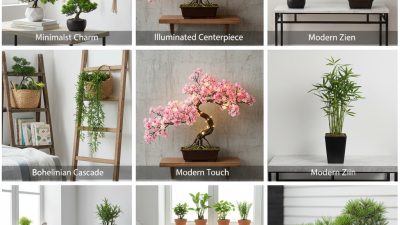
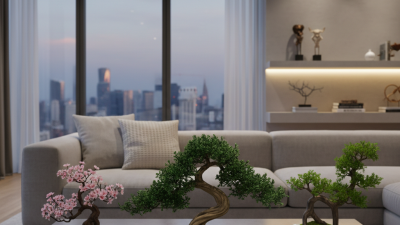
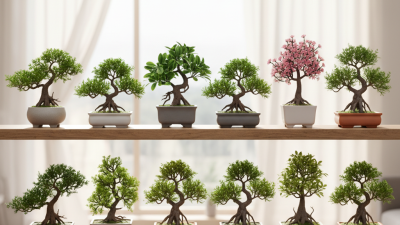
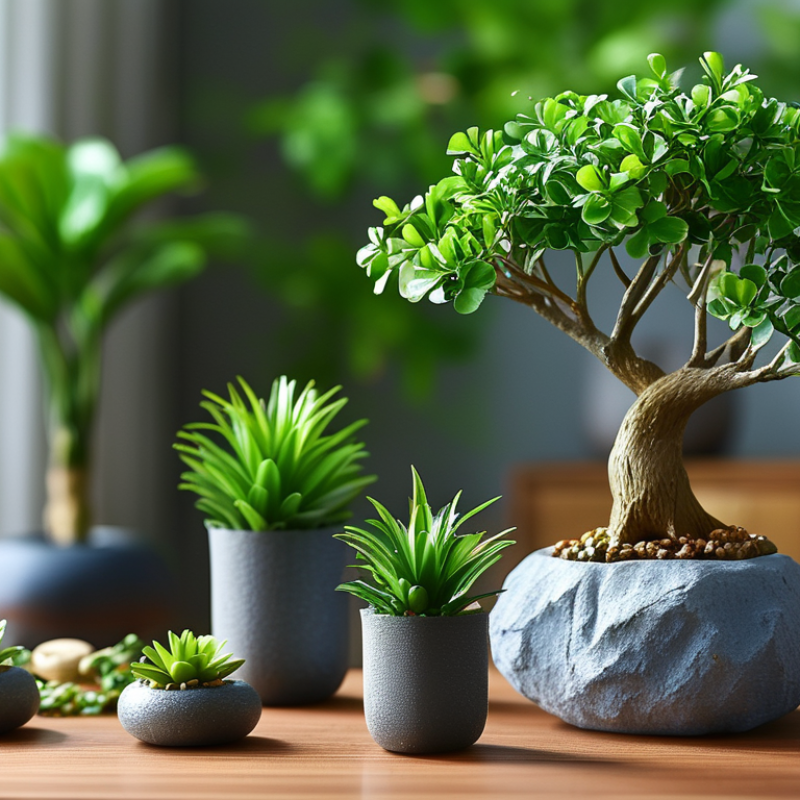
When considering decor for your home, artificial plant bonsai offer remarkable variety and design options. Their versatility makes them suitable for any aesthetic. Whether you prefer a minimalist look or something more luxurious, there's a bonsai design that can fit right in.
For a contemporary space, try sleek, geometric pots paired with simple bonsai trees. If you're aiming for a more traditional feel, look for intricate designs with rich colors. These artificial plants come in various shapes and sizes. They can be displayed on shelves, desks, or even as centerpieces.
Tips: To create a cohesive look, choose colors that complement your existing decor. Consider mixing different bonsai styles to add depth to your space. Avoid overcrowding; instead, let each piece breathe. This helps maintain a balanced aesthetic. Opt for textures that contrast with your surroundings for an engaging visual effect.
Why Choose Artificial Plant Bonsai for Your Home Decor?
This chart illustrates the various benefits of choosing artificial plant bonsai for your home decor, highlighting key aspects such as aesthetic appeal, maintenance requirements, durability, cost-effectiveness, and the variety of design options available.
Maintenance-Free Advantage: Time and Cost Savings
Artificial plant bonsai is becoming a popular choice for home decor. One major reason is the maintenance-free advantage they offer. According to a recent industry report, 70% of homeowners prefer low-maintenance plants. This trend saves both time and money, making artificial bonsai an appealing option.
Caring for real bonsai can be time-consuming. It requires regular watering, pruning, and monitoring for pests. In contrast, artificial bonsai needs no such attention. They allow people to enjoy greenery without added stress. Studies have shown that people spend an average of 30 minutes a week on plant care, which can accumulate to over 26 hours a year. That's a significant amount of time saved with artificial options.
The financial savings are also notable. The cost of real bonsai can be high, especially when factoring in potting, soil, and fertilizers. Research from home improvement experts suggests that homeowners can save up to 50% on overall plant care costs by choosing artificial bonsai. This not only reduces busy schedules but also enhances indoor aesthetics effortlessly.
Allergy-Friendly and Safe for Indoor Environments
Indoor allergies affect millions worldwide. Dust, pollen, and mold can thrive in homes. Many seek solutions to reduce allergens. Artificial plant bonsai provides a great alternative. They are visually appealing and require no watering or sunlight.
Studies show that around 30% of adults experience allergies at home. In contrast, artificial plants help eliminate allergens. They do not attract dust or pollen. A report by the American Academy of Allergy, Asthma & Immunology highlights this benefit. With artificial plants, homeowners report fewer allergy symptoms. This offers a practical solution for sensitive individuals.
Safety is another important factor. Unlike real plants, artificial bonsai pose no risk of toxicity. Pets or children won’t face health hazards. The World Health Organization stresses a safe indoor environment. Therefore, artificial plants contribute to a healthy atmosphere. However, it's essential to clean them regularly to avoid dust accumulation. This way, their benefits fully manifest in homes.
Long-Lasting Durability of Artificial Plant Bonsai
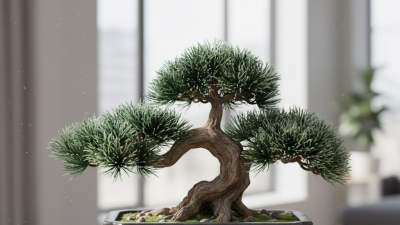
Artificial plant bonsai has gained popularity in home decor due to its long-lasting durability. Unlike natural plants, these creations do not wilt or require constant care. This makes them perfect for busy lifestyles. They retain their vibrant colors and intricate details for years, providing the beauty of nature without the hassle.
Choosing artificial bonsai allows for versatile decor options. They can fit seamlessly into various design styles, whether modern or traditional. You can place them on shelves, tables, or even as focal points in larger spaces. However, it's crucial to periodically clean them to maintain their appearance. Dust can accumulate and dull their brightness, making them look less appealing.
Here are some tips for caring for your artificial bonsai:
- First, use a soft cloth to gently wipe off any dust. This simple step can greatly enhance their vibrancy.
- Next, consider changing their placement occasionally to refresh your decor.
- Lastly, avoid placing them in direct sunlight for extended periods to prevent fading.
Even though they are fake, paying attention to these details can improve your environment.