Why Choose Artificial Plant Trees for Your Home Decor Needs?
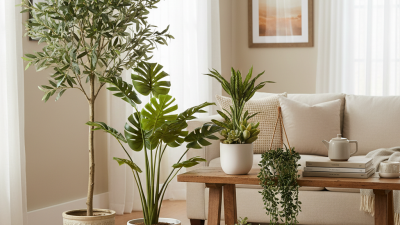
When it comes to home decor, choosing the right elements is crucial. One standout option is the Artificial Plant Tree. These trees offer a blend of beauty and practicality. They can transform a room without the maintenance real trees require. Imagine your living room enhanced with a lush, green tree that never wilts.
No watering. No sunlight needed. Yet, some may question their authenticity. Do they feel real? Do they look real? These are valid concerns. However, modern designs have significantly improved. The lifelike appearance of Artificial Plant Trees can surprise even the most discerning eye.
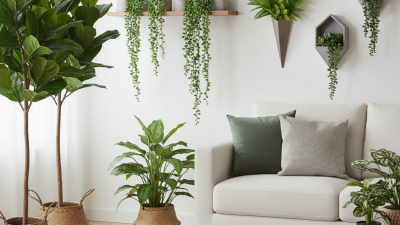
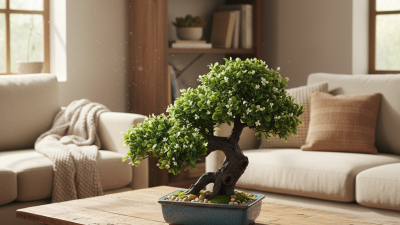
Consider the variety available. From sleek palm trees to majestic ficus, there’s something for every taste. They add warmth and life to any space. These trees can also suit various styles, from minimalistic to bohemian. Yet, one might wonder if they can truly replace the charm of live plants. The answer may depend on personal preferences and living situations. While they offer convenience, a reflection on beauty and nature's connection can surface.
Benefits of Using Artificial Plant Trees in Home Decor
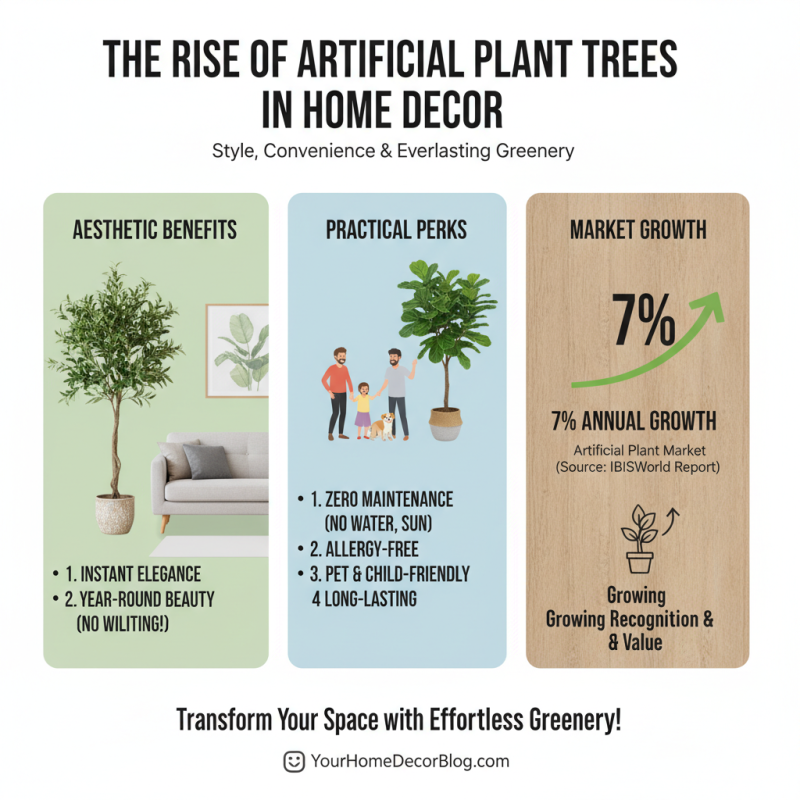
Artificial plant trees are gaining popularity in home decor. They offer numerous benefits that enhance both aesthetics and practicality. According to a report by IBISWorld, the artificial plant market has seen a steady growth rate of around 7% annually. This suggests a growing recognition of their value.
One major benefit of using artificial plant trees is their low maintenance. Unlike real plants, they don't require watering, pruning, or sunlight. A study by the National Gardening Association found that 30% of participants avoided live plants due to the upkeep hassle. With artificial trees, you can enjoy the beauty without the work.
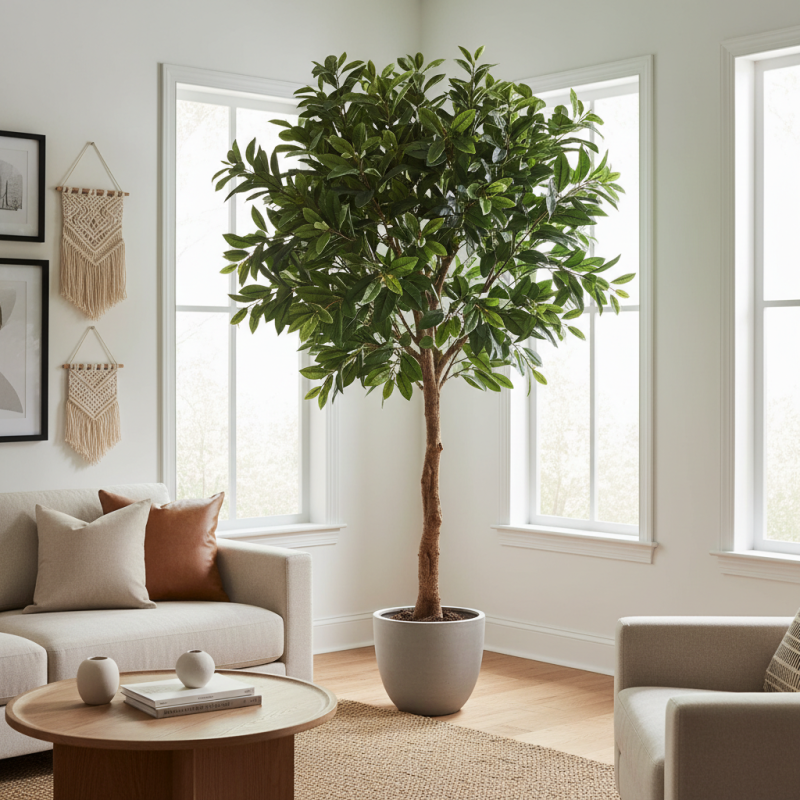
Tips: Choose trees that fit your space. A tall, slender design can elevate a room, while a bushy plant adds fullness. Consider varying textures and colors to create depth. Also, check the material; high-quality options look more realistic.
Artificial plant trees also offer design flexibility. They can be placed in any room, regardless of lighting conditions. Research from the American Society of Interior Designers indicates that greenery improves mood and productivity. While they lack the life of real trees, they can still bring a fresh atmosphere to your home.
Think about this: how often do you neglect your live plants? With artificial options, that stress disappears. Enjoy greenery that stands the test of time.
Comparison of Artificial vs. Real Plant Trees for Decor
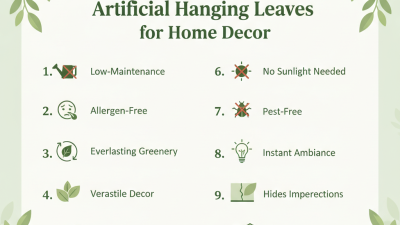
When deciding between artificial and real plant trees for home decor, several factors come into play. Artificial plant trees offer the benefit of convenience. They require no watering, sunlight, or special care. A vibrant faux tree can brighten a corner without the risk of wilting. Furthermore, choosing artificial options can help avoid pests that often accompany real plants.
On the other hand, real plant trees bring a unique charm. Their textures and scents often provide an authentic touch to any space. However, they need attention and effort to thrive. Watering schedules and pruning can become burdensome for busy individuals. It's essential to reflect on lifestyle and commitment before choosing.
While artificial options may lack the authenticity of real plants, they offer a hassle-free aesthetic. Without the mess of fallen leaves or dirt, they create a clean look. Yet, some might find them less appealing due to their artificial nature. Striking a balance between beauty and practicality is key in making this choice.
Why Choose Artificial Plant Trees for Your Home Decor Needs?
| Feature |
Artificial Plant Trees |
Real Plant Trees |
| Maintenance |
Low; no watering or pruning needed |
High; requires regular watering and care |
| Lifespan |
Long-lasting; can last for years |
Variable; lifespan can be short due to pests or illness |
| Allergies |
Hypoallergenic |
May trigger allergies (pollen, molds) |
| Cost |
Typically lower in the long run |
Can be expensive over time (replacement, care) |
| Aesthetic Variety |
Wide range of styles and sizes |
Limited to seasonal availability |
| Environmental Impact |
Reduced environmental impact; no resources spent on care |
Requires water, soil, and chemicals for care |
Maintenance and Care for Artificial Plant Trees in Interiors
Artificial plant trees offer a stunning way to enhance your home decor. They require minimal care, making them ideal for busy lifestyles.
Unlike real plants, these beauties don’t need regular watering, sunlight, or fertilization. However, they still need some attention. Dust can accumulate, dulling their appearance and causing allergies.
Regular cleaning is essential.
To maintain your artificial trees, wipe the leaves with a damp cloth. Consider using a soft brush for hard-to-reach areas. This will prevent dust buildup and keep them looking fresh.
Occasionally, check for any damages or loose branches. Although they are durable, they might need some minor repairs over time.
You may need to reshape the branches for a more natural look after they settle.
Creating a vibrant space with artificial trees can be rewarding. Still, it’s vital to reflect on how they fit into your overall design. While these trees offer convenience,
be mindful of their placement. A well-placed artificial tree can enhance a room, but a poorly placed one can feel off.
Balance is key to a harmonious look in your interior decor.
Choosing the Right Style and Size of Artificial Plant Trees
Choosing the right artificial plant tree for your home decor can seem daunting. The style you select should complement your existing decor. Consider whether a modern or traditional design fits better in your room. A tall, slender tree can add height, while a bushier option can fill empty corners. Think about the colors too. A vibrant green can energize a space, while softer shades can create a calming atmosphere.
Size is equally important. An oversized tree can dominate a small room. Conversely, a tiny tree might get lost in a large space. Measure your available area before making a choice. Balancing size and style requires a bit of trial and error. You may find that the first choice isn't perfect for your space. Don’t be afraid to reassess and try something else. Sometimes, the journey of finding the right fit is as rewarding as the final result. Enjoy the process of enhancing your home with artificial plant trees.
Environmental Impact of Artificial Plant Trees in Home Design
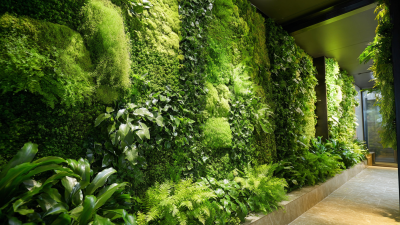
Artificial plant trees have grown in popularity for home décor. They offer a unique touch without the maintenance that real plants require. Additionally, they contribute to a more sustainable way of decorating. While they're not perfect, their environmental impact can be surprisingly low.
Real trees need water, sunlight, and care. This often leads to excessive resource use. Artificial trees, however, don’t demand these resources. They improve indoor air quality while preserving natural environments. On the downside, they are often made from plastic, raising concerns about waste and recycling. It’s essential to consider where these materials end up.
When used thoughtfully, artificial plant trees can enhance living spaces. They bring a sense of nature indoors. Yet, selecting the right types matters. Not all artificial plants are created equal. The choices made today impact future generations. Being conscious of these factors can lead to a balanced and eco-friendly home design.
Environmental Impact of Artificial Plant Trees in Home Design