China Top Artificial Plant Bonsai Suppliers for Global Buyers?
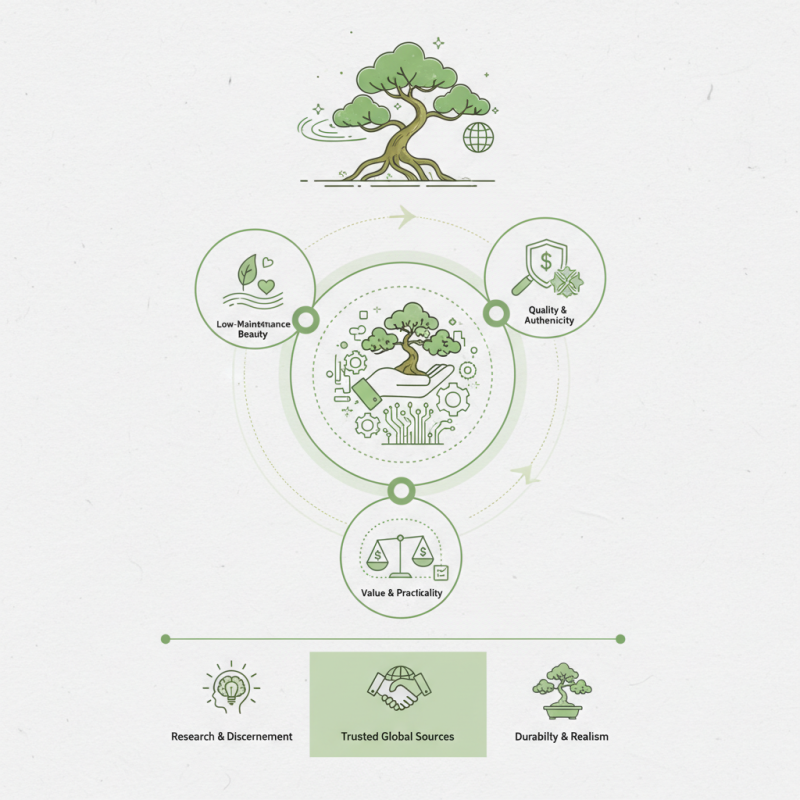
In the vibrant world of decorative horticulture, the demand for Artificial Plant Bonsai has seen a significant surge. As consumers seek low-maintenance yet visually appealing options, suppliers are rising to the occasion. Renowned expert Dr. Mei Lin, a leading figure in the artificial plant industry, states, "Artificial Plant Bonsai offers beauty without the stress of care." This reflects a growing trend where aesthetics blend seamlessly with practicality.
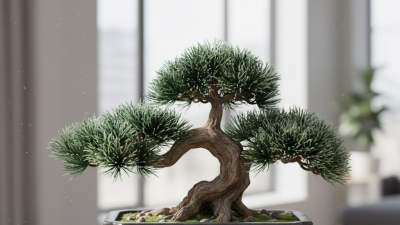
Artificial Plant Bonsai is not just about replicating nature; it's about innovation and craftsmanship. Buyers around the globe now look for suppliers who understand the artistic value of these creations. It's essential to choose suppliers with a track record of quality and authenticity. However, some challenges remain, such as ensuring the durability and realism of products.
The market is filled with options, but not all are created equal. With so many choices, buyers must approach with discernment. Not every supplier meets high standards of reliability and expertise. Thus, it is crucial to research and find trusted sources in the Artificial Plant Bonsai sector. Balancing beauty and quality requires careful thought and reflection.
Overview of Artificial Plant Bonsai Market in China
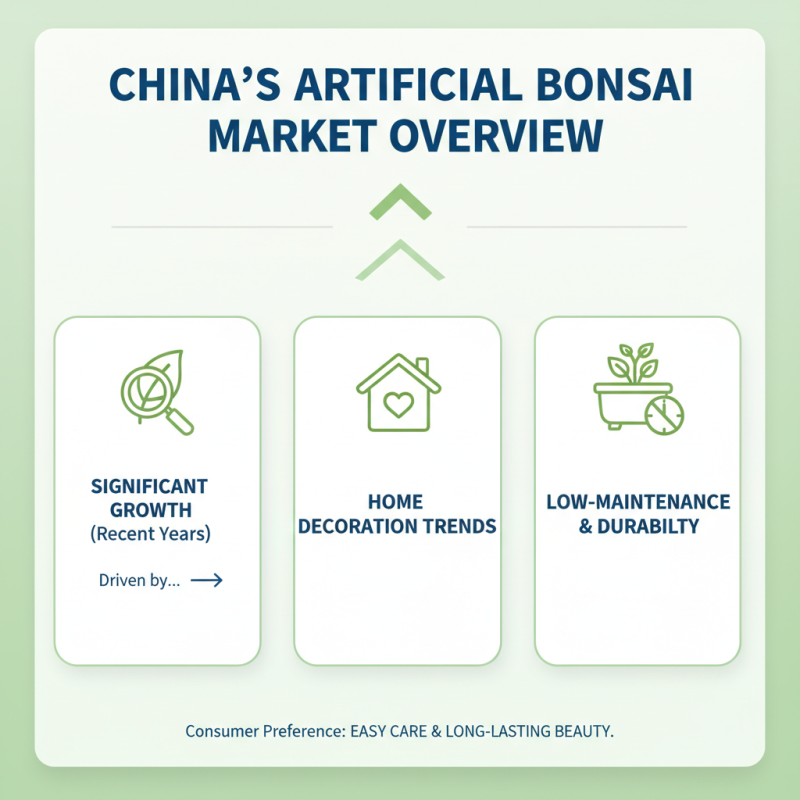
The artificial plant bonsai market in China has witnessed significant growth in recent years. This rise can be attributed to increasing consumer interest in home decor and the desire for low-maintenance plants. Many buyers prefer artificial options due to their durability and the lack of care required.
In this vibrant market, a variety of suppliers offer diverse products. Some focus on realism, crafting bonsai that closely mimic live plants. Others concentrate on artistic designs, appealing to those who appreciate unique aesthetics. The sourcing of high-quality materials is crucial for these suppliers. This directly impacts the overall look and feel of the products.
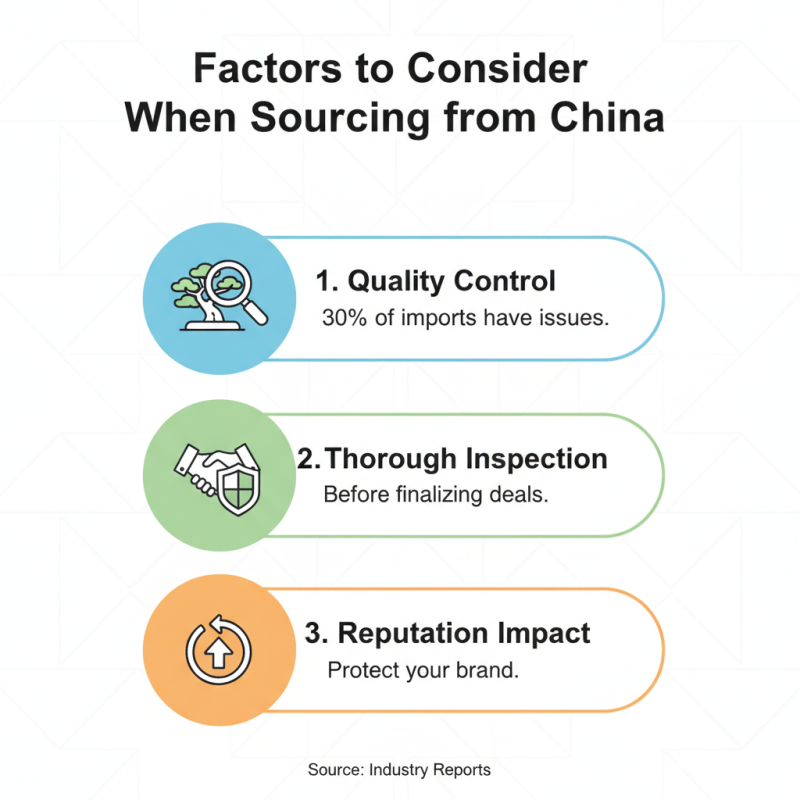
Challenges exist in maintaining consistent quality. Some suppliers struggle with production standards, leading to variations. High competition in the market often pressures suppliers to lower costs, sometimes at the expense of quality. Buyers need to be vigilant and conduct thorough research before making purchases. A careful selection process can lead to better satisfaction and long-term usage of these decorative plants.
Top Suppliers of Artificial Plant Bonsai in China
China has become a key player in the artificial plant bonsai market. Recent industry reports show that the demand for artificial plants is increasing, especially among global buyers. The market is projected to grow at a compound annual growth rate (CAGR) of around 6% over the next five years. A significant portion of this growth comes from the rising interest in home decor, where low-maintenance options are favored.
Chinese suppliers are now focusing on quality and design. Many offer a range of styles, from realistic miniatures to trendy contemporary designs. The industry is learning to match the nuances of natural bonsai art with artificial materials. However, issues still exist. Some products do not meet quality expectations, leading to customer dissatisfaction. Monitoring these suppliers is crucial for maintaining high standards.
Data reveals that sustainability is becoming a priority. Buyers are looking for eco-friendly materials in artificial products. This shift influences sourcing strategies among suppliers. They are now increasingly adopting practices that reflect environmental responsibility. As the industry evolves, balancing quality, design, and sustainability is vital for long-term success.
China Top Artificial Plant Bonsai Suppliers for Global Buyers
Key Features of Quality Artificial Plant Bonsai
Artificial plant bonsai has gained immense popularity for its aesthetic appeal and maintenance-free qualities. When considering quality, some features stand out. A well-crafted bonsai should have realistic textures and colors. The leaves must have intricate details, mimicking nature’s beauty. Colors should be vibrant yet harmonious. The plant should reflect the natural environment it imitates.
Durability is equally important. Quality artificial plants withstand sunlight and humidity without fading. They should be made from high-quality materials that resist wear and tear. Stability is a key feature as well. A good bonsai should not tip over easily; the base must be weighted properly. Additionally, ease of cleaning plays a role in the overall satisfaction. Dust and dirt should come off with minimal effort.
While these features indicate quality, there are areas that may disappoint. Some artificial bonsai may look good at first glance but reveal their flaws upon closer inspection. The absence of realistic imperfections can sometimes detract from their charm. Buyers often realize that a truly lifelike appearance requires attention to detail. Balancing quality and cost can be tricky, leading to difficult choices in selection. These factors highlight the importance of thorough research before making a purchase.
Global Trends in Artificial Plant Bonsai Demand
The demand for artificial plant bonsai is growing rapidly worldwide. These ornamental pieces offer beauty without the need for care. More people are opting for these low-maintenance options. They can brighten up homes and offices alike.
As global trends shift towards sustainability, artificial plants are becoming even more appealing. They provide a green touch in spaces where real plants may not thrive. The versatility of these bonsais allows them to fit various decor styles. Some buyers appreciate the artistic craftsmanship involved in creating these pieces. Others opt for them simply for convenience.
Tips: When selecting artificial bonsai, consider the quality and realism. Look for materials that mimic real leaves and branches. Ensure proper scale for your chosen space. Different sizes and styles can create distinct atmospheres. Remember, while they may look perfect, flaws in design sometimes enhance their character.