China Best Artificial Plant Decor Ideas for Your Home?
Artificial Plant Decor has become increasingly popular in recent years, transforming homes across China. According to a recent industry report, the global artificial plant market is projected to reach $2.1 billion by 2025. This growth reflects a rising appreciation for low-maintenance greenery in urban settings.
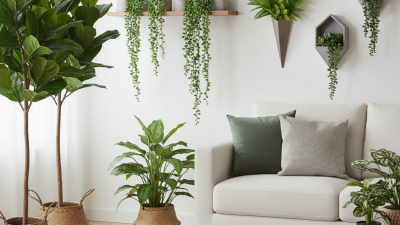
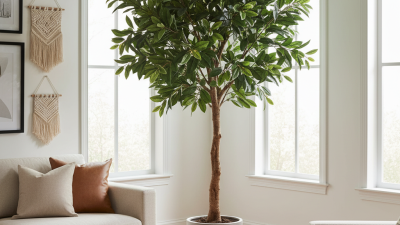
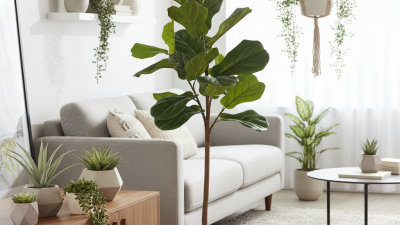
Many homeowners are now selecting artificial plants for their versatility and aesthetic appeal. They can bring life to any space. For example, a well-placed artificial tree can create a focal point in a living room, while small potted plants can brighten up a workspace. However, the quality of these decorations varies significantly. Some may look overly artificial, failing to achieve the desired effect.
While choosing artificial plant decor, it's essential to consider realistic options. Look for variations in leaf color and texture. Additionally, be wary of over-decorating with artificial plants. A few well-chosen pieces can enhance your home’s beauty. Too many can create a cluttered appearance. Thus, finding the right balance is key to achieving harmonious decor.
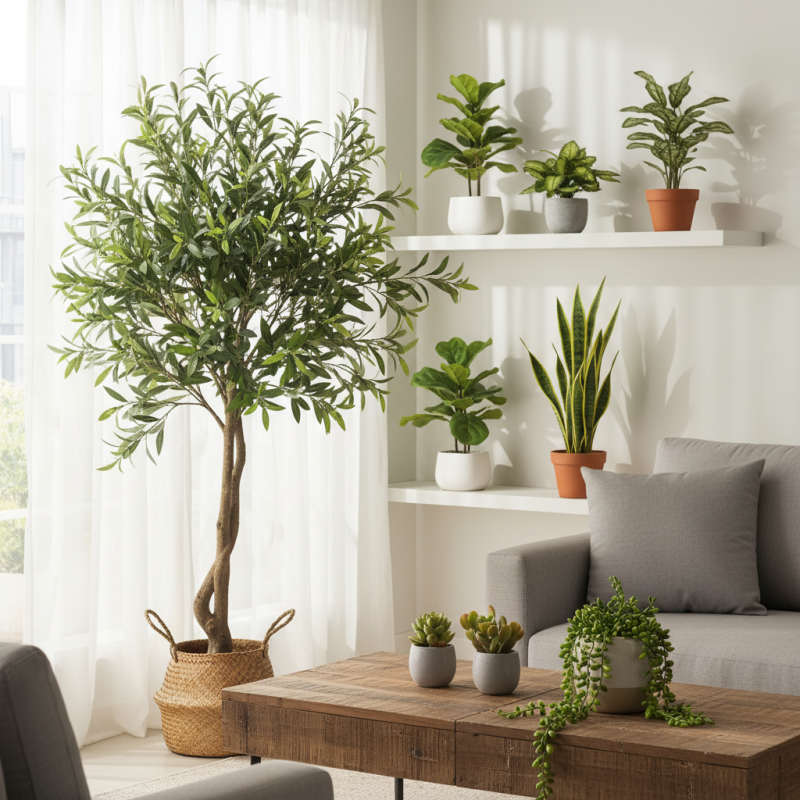
Choosing the Right Artificial Plants for Home Decor
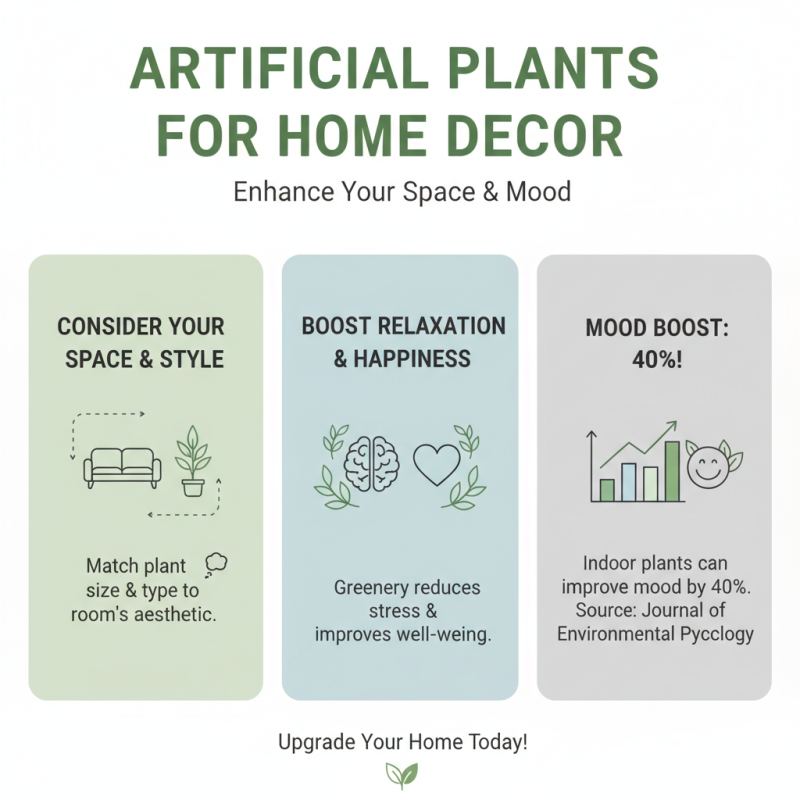
When choosing artificial plants for home decor, consider your space and style. A well-placed artificial plant can enhance a room's aesthetic. Studies indicate that incorporating greenery can increase feelings of relaxation and happiness. For instance, a report from the Journal of Environmental Psychology shows that indoor plants can improve mood by 40%.
Select plants that fit the light conditions in your home. For low-light areas, opt for darker foliage like a dark green philodendron. In bright spaces, a vibrant monstera can shine. It’s important to reflect on the dimension of the plants, too. Tall plants can draw the eye upward, making a room feel larger. However, they may overwhelm small spaces if chosen without thought.
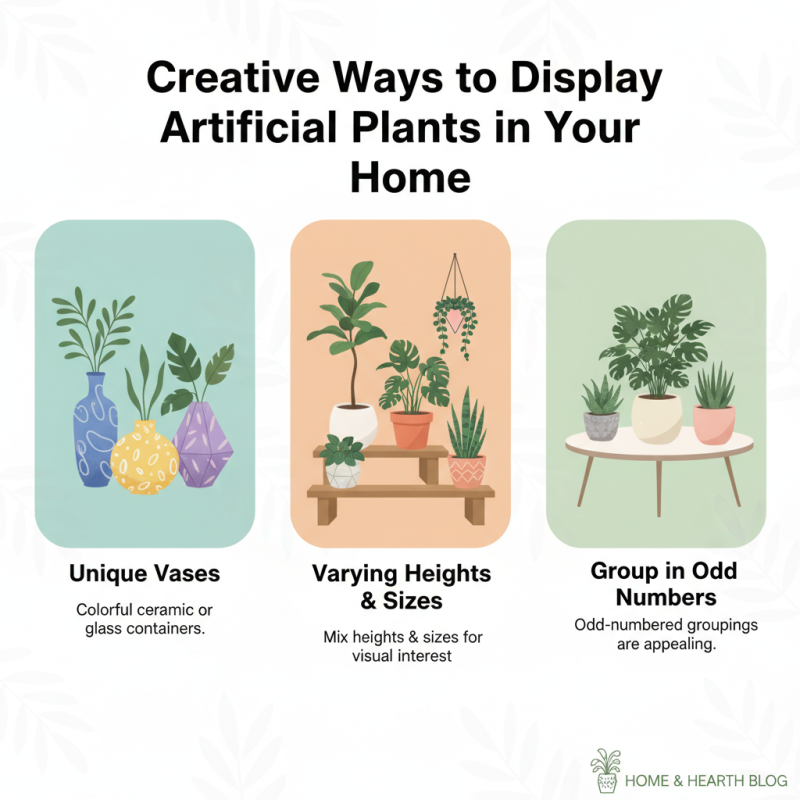
Texture and color matter in artificial plants. Some look very fake, while others have realistic finishes. A study from the University of Technology Sydney noted that people may prefer unnatural-looking plants in some settings. Yet, too much uniformity can feel sterile, so mix sizes and shapes. Adding variety creates visual interest. Remember, the goal is to feel connected with your decor, not just fill space.
Popular Types of Artificial Plants for Home Decoration
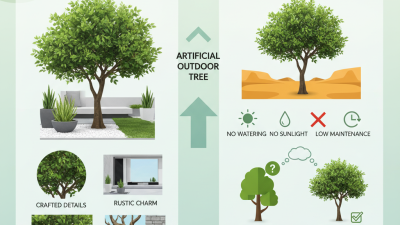
Artificial plants have become increasingly popular for home decoration. In fact, industry reports show that demand for these products has grown by 20% over the last five years. This trend is driven by the low maintenance and versatility of artificial plants. Homeowners appreciate that these plants don't require watering or sunlight. They stay vibrant year-round, especially in places with limited natural light.
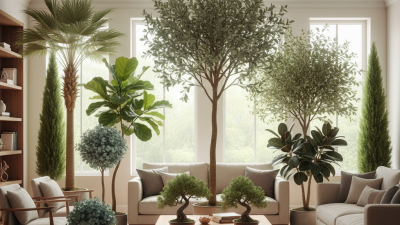
Popular choices include faux succulents, silk flowers, and realistic trees. Succulents are particularly favored for their compact size and appealing shapes. Silk flowers add a touch of elegance to any room. Realistic trees can create an inviting atmosphere, especially in larger spaces. However, some people may find artificial plants lack the authenticity of real ones. This difference in texture and scent can evoke feelings of something missing.
The market also highlights the importance of aesthetics. Over 70% of consumers report that they use artificial plants to enhance home decor. It is essential to choose high-quality materials. Some cheaper options can look artificial and detract from a room’s feel. Balancing aesthetic appeal with realism is key for a successful decor choice. Consider mixing in real plants with artificial ones for a more natural look.
China Best Artificial Plant Decor Ideas for Your Home
| Type of Artificial Plant |
Ideal Location |
Maintenance Level |
Size |
Popularity Rating (out of 5) |
| Faux Fiddle Leaf Fig |
Living Room |
Low |
6 ft |
4.7 |
| Silk Peony Bouquet |
Dining Table |
Low |
Medium |
4.5 |
| Artificial Snake Plant |
Office |
Very Low |
3 ft |
4.8 |
| Potted Lavender |
Kitchen |
Low |
1 ft |
4.6 |
| Fake Bamboo Tree |
Corner Spaces |
Medium |
7 ft |
4.4 |
Tips for Maintaining and Cleaning Artificial Plants
Artificial plants are a fantastic way to add greenery to your home. They require less maintenance than real plants. However, they still need care to stay looking fresh. Regular cleaning is essential. Dust can build up on leaves and stems, diminishing their beauty.
Tips for maintaining your artificial plants include using a soft cloth or feather duster. Wipe down the leaves gently to remove dust. For stubborn stains, a damp cloth with mild soap can help. Ensure the soap is not harsh; it can damage the material. Rinse well and dry completely.
Occasionally, check for faded colors. Some artificial plants fade over time, losing their vibrant look. If they look dull, consider placing them in indirect sunlight to refresh them. Rotating your plants can also prevent uneven fading. By putting in the effort, your artificial plants can continue to beautify your space.
Artificial Plants Maintenance and Popularity
Incorporating Artificial Plants into Different Home Styles
Incorporating artificial plants into various home styles can transform a space. According to industry reports, the market for artificial plants is projected to grow significantly, with a 10% increase annually by 2027. This suggests that many homeowners are choosing greenery without the upkeep.
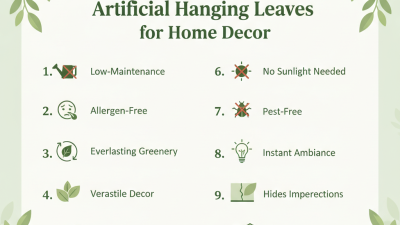
For modern decor, sleek planters filled with realistic succulents can add a refreshing touch. They work well on minimalist shelves or coffee tables. Bohemian styles benefit from an abundance of hanging plants, which may create an inviting atmosphere. However, it's easy to overdo it. Too many plants can make the space feel cluttered rather than cozy.
In traditional homes, larger faux trees can provide a focal point. They can bring a sense of nature indoors, enhancing classic furniture. But be cautious; some fake plants can look very artificial. This risk leads to disappointment if they don’t meet expectations. Balancing styles with the right textures is key. Consider combining different types of plants for visual interest. Remember, the goal is to enhance your space, not overwhelm it.