What are the Benefits of Choosing Artificial Green Walls?
Artificial Green Walls are revolutionizing urban landscapes. These innovative installations provide aesthetic appeal and numerous benefits. Dr. Emily Carter, a leading expert in environmental design, states, "Artificial Green Walls not only beautify spaces but also enhance indoor air quality." Her insights highlight the growing acceptance of these structures in our built environments.
The advantages of Artificial Green Walls extend beyond their visual impact. They serve as sound insulators and improve temperature regulation. In cities, where green space is limited, these walls offer a solution. They can transform drab exteriors into vibrant, living art. However, it's essential to consider maintenance requirements and initial setup costs. While they provide significant benefits, proper care is crucial for longevity.
While Artificial Green Walls can be a sustainable choice, some challenges exist. Unexpected costs and aesthetic mismatches may arise. Yet, with informed planning and design, these issues can be minimized. Balancing beauty and practicality is key in choosing the right solution for any space.
Benefits of Aesthetic Appeal in Artificial Green Walls
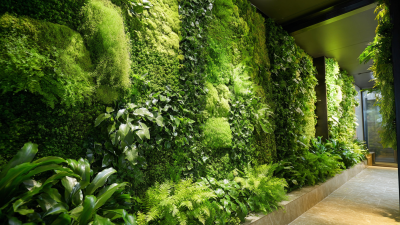
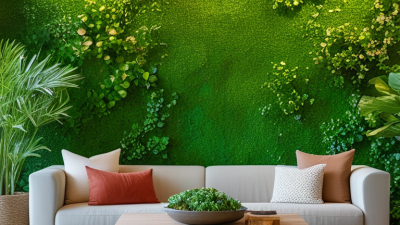
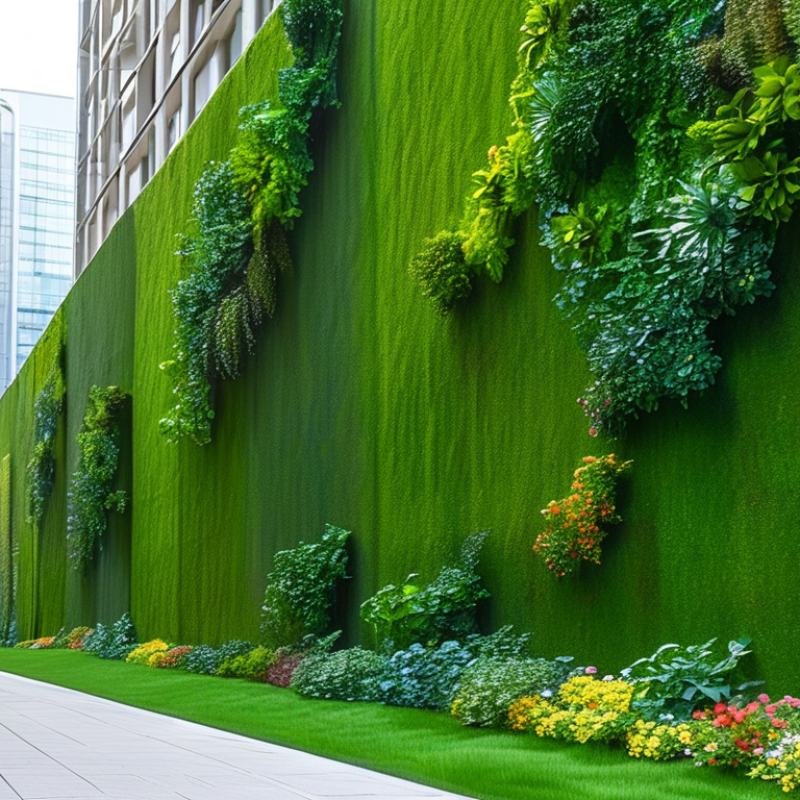
Artificial green walls bring a refreshing touch to any space. They add beauty and life to interiors and exteriors alike. These installations can transform a plain wall into a vibrant display of color and texture. The aesthetic appeal of artificial green walls can create visual interest and stimulate the senses.
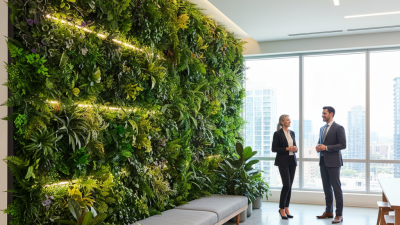
Consider an office or a retail space. A green wall can serve as a stunning backdrop. It draws attention and invites interaction. The feeling of bringing nature indoors is powerful. It can enhance creativity and reduce stress for employees and customers. Bright colors from the greenery can uplift moods and create an inviting atmosphere.
Some may question the authenticity of artificial plants. They lack the organic growth and scent of real plants. However, these green walls offer a low-maintenance alternative. There’s no need for watering or sunlight. Still, one should reflect on the environmental impact of synthetic materials. Balancing aesthetics with sustainability can be a challenge. Ultimately, each space needs its unique approach to design and well-being.
Enhancing Air Quality Through Artificial Green Walls
Artificial green walls are becoming popular for many reasons. One significant advantage is their ability to enhance air quality. These living walls provide a unique solution for indoor and outdoor spaces. They can filter pollutants and release oxygen, which improves overall air conditions.
Plants used in green walls absorb carbon dioxide and other harmful toxins. This makes the air cleaner. Studies show that having greenery in your environment contributes to better mental health. The presence of plants can reduce stress and boost productivity. When we breathe cleaner air, we often feel happier.
However, it’s important to be mindful of maintenance. Different plants require specific care routines. Without proper attention, a green wall may not thrive. This can lead to a lack of vitality in your space. Balancing aesthetics with functionality is key. Regular upkeep can ensure these walls continue to contribute positively to air quality.
Space Optimization and Versatility of Green Wall Installations
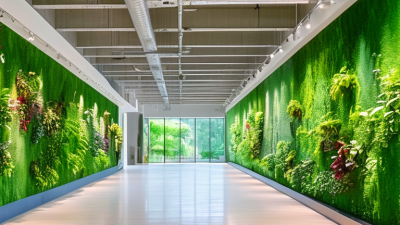
Artificial green walls are revolutionizing how we think about space optimization in indoor and outdoor settings. These installations offer a unique way to incorporate nature into our lives, even in limited spaces. Whether in bustling city centers or trendy cafes, green walls can transform stark surfaces into vibrant vertical gardens. The versatility of these installations allows them to fit seamlessly into any architecture.
Consider placing green walls in offices to enhance employee well-being. Studies show that greenery can boost productivity and reduce stress. Create a living divider to separate workspaces without sacrificing aesthetics. These walls can also improve air quality by filtering pollutants. They absorb carbon dioxide and release oxygen, contributing to a healthier environment.
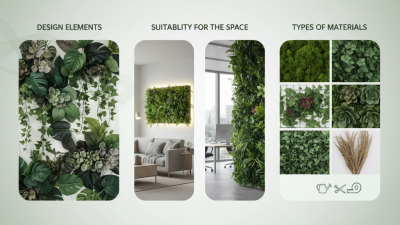
Tips: When choosing plants, select low-maintenance species for hassle-free care. Incorporate drip irrigation systems to ensure optimal growth. Experiment with colors and textures to create visual interest. Reflect on your space; the design should complement rather than overwhelm. Artificial green walls can inspire conversation and creativity while redefining our understanding of urban landscapes.
The Benefits of Choosing Artificial Green Walls
Low Maintenance Requirements and Cost-Effectiveness of Artificial Green Walls
Artificial green walls offer numerous benefits, particularly in their low maintenance requirements and cost-effectiveness. Data from a 2020 study by the Green Wall Association indicates that these installations require significantly less upkeep compared to living walls. For example, artificial walls need occasional dusting rather than regular watering and pruning. This reduction in labor can lead to savings of up to 30% in maintenance costs annually.
Moreover, the initial investment in artificial green walls is balanced by their long-term savings. According to a report from the Sustainable Building Network, organizations can recoup their costs in just a few years due to lower water bills and minimal care expenses. In urban settings, where time and resources are often tight, artificial green walls provide a practical solution without sacrificing aesthetics. However, potential buyers should consider the upfront costs relative to natural systems, as these can vary widely based on design and materials used.
As cities continue to evolve, green solutions need scrutiny. While artificial green walls are cost-effective, they may lack the ecological benefits of live plants. Incorporating real vegetation can improve air quality, which artificial alternatives cannot. Thus, the choice requires careful reflection on environmental impacts versus economic advantages. Balancing these factors is essential for sustainable urban living.
Environmental Impact and Sustainability of Artificial Green Walls
Artificial green walls offer numerous advantages, particularly concerning environmental impact and sustainability. These innovative structures promote biodiversity by providing habitats for various species. According to a report by the National Park Service, urban green walls can support up to 18% more biodiversity. This helps in creating sustainable urban ecosystems that contribute to healthier city environments.
These walls also play a vital role in energy conservation. Research from the University of Florida indicates that buildings with green walls can reduce energy use by 20-30% in cooling costs. The plants absorb sunlight, effectively lowering indoor temperatures. Additionally, artificial green walls improve air quality. They filter pollutants and carbon dioxide, enhancing overall health and well-being in urban areas.
**Tip:** Consider installing sensors to monitor plant health and optimize growth conditions for maximum environmental benefits.
While the benefits are clear, not every installation may thrive. Factors like plant species selection and maintenance routines can lead to challenges. Regular evaluations are essential to ensure the system functions efficiently.
**Tip:** Engage with local horticulturalists for customized plant selections that suit your climate and maintenance capabilities.
What are the Benefits of Choosing Artificial Green Walls? - Environmental Impact and Sustainability of Artificial Green Walls
| Benefit |
Description |
Environmental Impact |
Sustainability Rating (1-5) |
| Improved Air Quality |
Artificial green walls filter pollutants and CO2, enhancing indoor air quality. |
Reduces airborne toxins and enhances oxygen levels. |
5 |
| Energy Efficiency |
They provide insulation, reducing the energy required for heating and cooling. |
Lowers energy consumption in buildings. |
4 |
| Biodiversity Enhancement |
Supports urban biodiversity by providing habitats for various species. |
Promotes ecological balance in urban areas. |
5 |
| Aesthetic Appeal |
Adds greenery and enhances the visual aspect of both indoor and outdoor spaces. |
Contributes to mental well-being and reduces stress. |
4 |
| Noise Reduction |
They can absorb sound, reducing noise pollution in urban environments. |
Creates quieter and more pleasant surroundings. |
3 |
| Water Efficiency |
Advanced systems reduce water usage through recirculation technologies. |
Promotes responsible water management. |
4 |