What are the Benefits of Cast Stainless Steel in 2026?
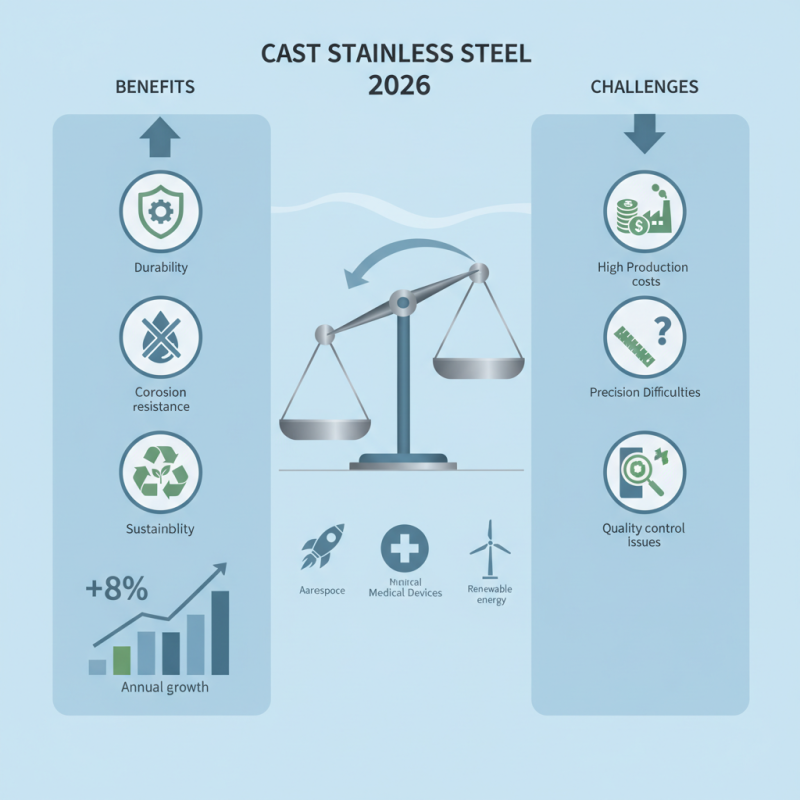
In 2026, cast stainless steel continues to gain traction across multiple industries. This material is lauded for its durability and corrosion resistance. A recent report from the Stainless Steel Institute indicates that the market for cast stainless steel products is expected to grow by over 8% annually.
However, the adoption of cast stainless steel is not without challenges. Production processes can be costly, and achieving the desired precision often requires advanced technologies. The need for consistent quality control remains significant, highlighting areas for potential improvement.
Despite these obstacles, the benefits of cast stainless steel can outweigh the drawbacks. Its applications span from aerospace components to medical devices, showcasing versatility. The transition toward more sustainable practices also pressures manufacturers to innovate, making cast stainless steel a compelling choice for the future. With ongoing developments, the potential of this material remains promising but requires ongoing reflection on efficiency and performance.
Advantages of Cast Stainless Steel in Structural Applications
Cast stainless steel is gaining recognition in 2026 for its many advantages in structural applications. It is known for its excellent corrosion resistance. This property makes it suitable for harsh environments. From bridges to industrial structures, its durability is a key benefit. Many engineers appreciate this aspect. Moreover, cast stainless steel can withstand significant stress. Its strength is comparable to many traditional materials.
Another advantage is design versatility. Cast stainless steel allows for intricate shapes and designs. This flexibility enables architects to explore unique structural forms. However, some challenges do remain. The casting process can be complex and requires careful management. Minor defects from casting might appear. These can complicate quality control efforts and impact structural integrity. It’s essential to assess these potential issues.
Cost is also a factor to consider. While cast stainless steel offers longevity, it may come with a higher initial price. Budget constraints can limit its use in some projects. Balancing cost with performance is crucial. The benefits of lower maintenance costs over time should not be ignored. As industries evolve, the role of cast stainless steel will continue to grow. Addressing these concerns is necessary for widespread adoption.
What are the Benefits of Cast Stainless Steel in 2026? - Advantages of Cast Stainless Steel in Structural Applications
| Benefit | Description | Applications |
| Corrosion Resistance | Cast stainless steel offers excellent resistance to corrosion in a variety of environments. | Chemical processing, Marine environments |
| Strength and Durability | High tensile strength allows cast stainless steel to withstand heavy loads and impacts. | Construction, Bridges |
| Aesthetic Appeal | Cast stainless steel provides a visually appealing finish that requires minimal maintenance. | Architectural features, Sculptures |
| Design Flexibility | Can be easily cast into complex shapes, allowing for innovative design solutions. | Custom machinery, Art pieces |
| Thermal Resistance | Maintains integrity and strength at high temperatures. | Boiler and pressure vessels, Aerospace components |
Corrosion Resistance and Longevity of Cast Stainless Steel Components
Cast stainless steel is increasingly recognized for its impressive corrosion resistance and longevity. In industries like aerospace, automotive, and marine, components made from this material withstand harsh environments. The 2023 Industry Report stated that cast stainless steel can last up to 30 years in corrosive settings, outperforming traditional materials by a significant margin.
Corrosion resistance is paramount. Many components are exposed to salt, chemicals, and moisture. Cast stainless steel exhibits a natural passivation layer, effectively protecting against rust and deterioration. Data indicates this resistance can be 2-3 times better than that of carbon steel. This makes it an ideal choice for critical components that require long-term reliability.
Tips: Regular maintenance can enhance lifespan. Even though cast stainless steel is durable, check for signs of wear. Small corrosion spots can become big problems. Be proactive in inspections. It’s also essential to consider the environment. Not all cast stainless steels are created equal, choose the right grade for your specific application.
Cost-Effectiveness of Cast Stainless Steel in Manufacturing Processes
Cast stainless steel is gaining traction in manufacturing due to its cost-effectiveness. Recent industry reports indicate that using cast stainless steel can reduce production costs by up to 15%. This is significant in industries where profit margins are tight. Manufacturers are looking for materials that offer both durability and economic viability.
In addition, cast stainless steel has a lower scrap rate compared to traditional methods. Estimates suggest a reduction in waste by approximately 20%. This not only saves money but also promotes sustainability. Companies are increasingly aware of material costs. Reducing waste with cast stainless steel can directly influence the bottom line.
However, not all applications may benefit equally. Some projects might require specific grades of stainless steel that can be more costly. There is also the factor of initial investment in technology and training. These considerations are crucial for manufacturers weighing the pros and cons. Adopting new materials always comes with challenges, but the potential benefits of cast stainless steel are hard to ignore.
Innovation in Cast Stainless Steel Technologies for 2026
Innovation in cast stainless steel technologies has been gaining traction lately. In 2026, advancements will likely include improved alloy compositions that enhance corrosion resistance. This will be crucial for industries using stainless steel in harsh environments, such as marine applications.
One exciting development is the use of additive manufacturing in casting. This method can create complex geometries that traditional methods cannot achieve. However, there may be challenges in achieving quality and consistency. It's vital to address these issues to ensure reliability in final products.
Another area of focus is sustainability. New processes may reduce energy consumption during casting. But implementing these changes can require significant investment. Companies must weigh the costs and benefits carefully. The path forward will not be easy, yet the potential for innovation remains substantial.
Sustainability and Environmental Impact of Cast Stainless Steel Usage
Cast stainless steel is gaining attention for its sustainability benefits. It is highly durable and can last for decades without significant wear. This means fewer resources are needed for replacements. Additionally, it can be recycled repeatedly without losing its quality, reducing waste.
The environmental impact is notable. Recycling cast stainless steel consumes less energy compared to producing new materials. However, not all facilities have adequate recycling systems in place. This creates challenges in ensuring that the environmental advantages are fully realized. Proper disposal and recycling practices are crucial; without them, potential benefits may be lost.
Moreover, while cast stainless steel is resistant to corrosion and stains, the production process still emits greenhouse gases. This fact points to the need for improvements in manufacturing methods. Innovations in cleaner production technologies could enhance its sustainability profile. The journey toward a greener future for cast stainless steel is ongoing, requiring constant reflection and adjustment.