Why Choose an Artificial Outdoor Tree for Your Home Garden?
Adding greenery to your home garden can transform the space. One popular option is the Artificial Outdoor Tree. These trees provide a realistic touch without the maintenance of real plants. You can enjoy their beauty year-round.
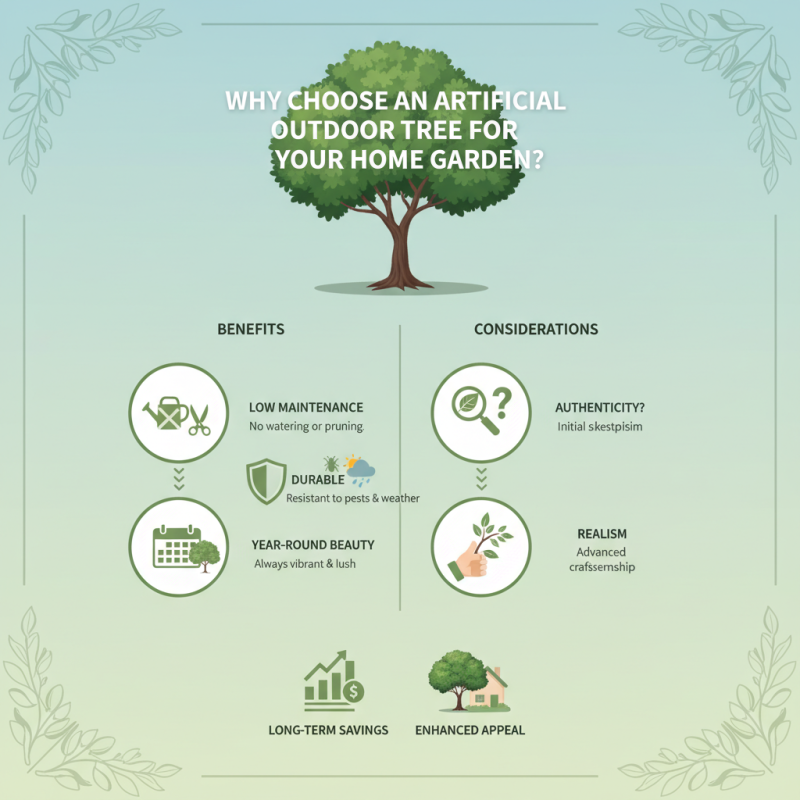
Choosing an Artificial Outdoor Tree has practical benefits. There is no need for watering or pruning. They are also resistant to pests and weather changes. Imagine a vibrant tree that stays lush in all seasons. However, some may question their authenticity. Can a synthetic tree truly resemble the real thing?
Despite this, advancements in craftsmanship make these trees impressive. Many new designs look strikingly realistic. When placed in your garden, they offer a striking focal point. The initial cost may be high, but the long-term savings are worth it. Ultimately, an Artificial Outdoor Tree can enhance your garden's appeal.
Benefits of Artificial Outdoor Trees for Home Gardens
Choosing an artificial outdoor tree for your home garden can transform the space significantly. These trees provide an array of benefits that make them a popular option for homeowners. They do not require watering, so you can enjoy a vibrant garden without the hassle of maintenance. No need for fertilizers or pest control means you can save both time and money.
Another advantage is their year-round appeal. Artificial trees maintain their lush appearance regardless of weather conditions. Unlike real trees, they won’t shed leaves in autumn or lose color in winter. However, some might feel they lack the authenticity of a real tree. There’s a certain charm in nature's imperfections that synthetic options may not replicate fully.
Artificial trees also offer versatility in placement. You can position them anywhere without worrying about sunlight or soil quality. They can instantly enhance the aesthetics of your outdoor space. Yet, they can feel a bit out of place alongside traditional plants. Finding a balance between natural and artificial can be challenging. Overall, artificial outdoor trees can be a great addition if chosen thoughtfully.
Cost-Effectiveness of Artificial Trees Compared to Natural Trees
When considering the aesthetic of your home garden, artificial outdoor trees can offer a budget-friendly alternative. The initial cost of a natural tree might seem lower, but the expenses add up. Regular maintenance, watering, and potential replacements can burden any gardener. Artificial trees, on the other hand, require minimal upkeep. They can last for years without fading or needing care.
Moreover, think about the choice of placement. Natural trees take time to grow, while artificial ones can instantly enhance your space. Imagine sitting under a beautifully designed faux oak, enjoying the shade without worrying about fallen leaves or pests. This convenience allows for a more relaxed gardening experience.
However, it's worth contemplating the environmental impact. Some may argue that artificial trees produce waste and use resources. Balancing the beauty of a garden with sustainability can be tricky. Nevertheless, choosing artificial trees can lead to lower long-term costs. It's essential to weigh the pros and cons carefully before making a decision for your home garden.
Cost-Effectiveness of Artificial Trees Compared to Natural Trees
Low Maintenance Requirements of Artificial Trees
Artificial outdoor trees offer a wonderful solution for homes and gardens. One significant advantage is their low maintenance requirements. Unlike real trees, artificial trees do not need watering or pruning. This can save you time and effort. A study from the American Society of Horticultural Science indicates that about 30% of gardening time is spent on maintenance tasks. Imagine reclaiming that time for other activities.
Caring for real plants can be challenging. They are affected by pests and require fertilization. In contrast, artificial trees remain vibrant year-round. A survey by Landscape Management found that 85% of homeowners prefer low-maintenance options due to their busy lifestyles. Choosing an artificial tree can offer you peace of mind.
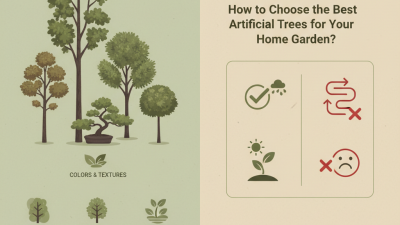
Here are some tips: choose the right kind of material for your climate. Ensure that the colors match your garden theme. Regular dusting can keep them looking fresh. Consider the size carefully to avoid overcrowding your space. An artificial tree might not capture the essence of nature perfectly, but it can complement your design beautifully.
Aesthetic Versatility of Artificial Trees in Garden Design
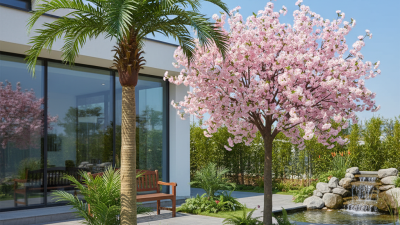
Artificial outdoor trees bring a unique aesthetic to home gardens. Their versatility allows homeowners to enhance their outdoor spaces without the maintenance of real trees. You can choose from various sizes, shapes, and colors. This diversity helps create different themes in a garden. For instance, a tall palm could create a tropical vibe, while a flowering cherry adds elegance.
When incorporating artificial trees, think about placement. A single tree can serve as a focal point. Grouping smaller ones creates depth. Consider the surrounding plants too. Some real flowers complement artificial trees beautifully. However, ensure that the colors and styles harmonize. A mismatch can disrupt the ambiance.
Tips: Choose artificial trees that mimic real ones closely. Look for details like texture and leaf patterns. Don’t rush the decision; collect inspiration from various gardens. Reflect on how each element fits into your vision, and make adjustments as needed. Planning can lead to a more cohesive design.
Why Choose an Artificial Outdoor Tree for Your Home Garden? - Aesthetic Versatility of Artificial Trees in Garden Design
| Feature |
Artificial Trees |
Natural Trees |
| Maintenance |
Low (no watering, pruning, or pests) |
High (requires regular care and maintenance) |
| Lifespan |
10-20 years with proper care |
Variable (depends on species and health) |
| Cost |
Generally lower long-term cost |
Higher long-term costs (planting, maintenance) |
| Aesthetic Variety |
Various styles, colors, and sizes available |
Limited by species and local climate |
| Environmental Impact |
Minimal ongoing impact |
Can contribute to habitat and biodiversity |
Durability and Weather Resistance of Artificial Outdoor Trees
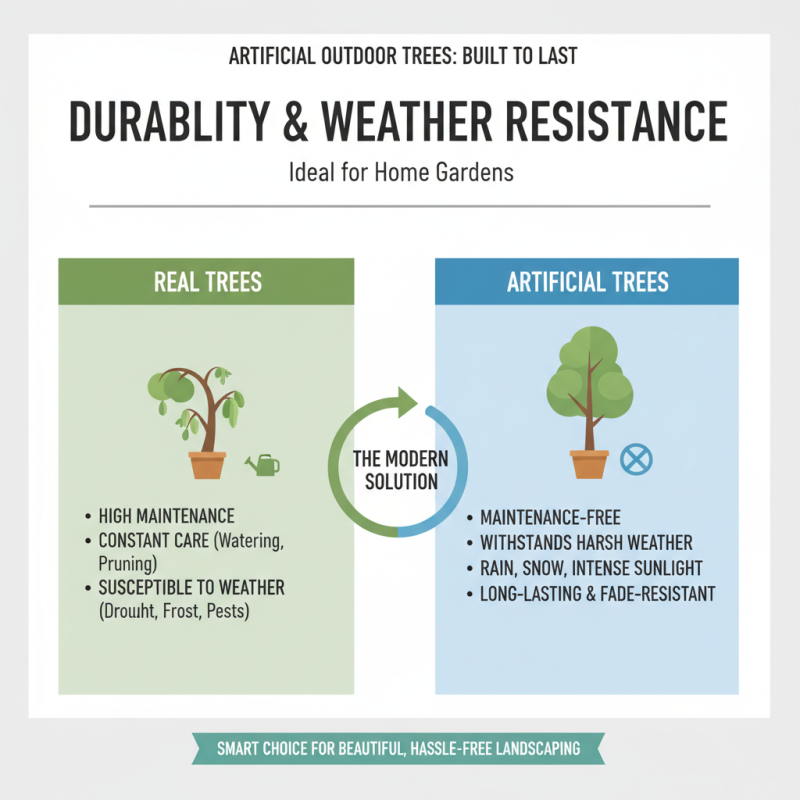
Artificial outdoor trees have gained popularity in recent years. Their durability and weather resistance make them ideal for home gardens. Real trees can be challenging to maintain. They require constant care, from watering to pruning. In contrast, artificial trees are almost maintenance-free. They can withstand harsh weather conditions, including rain, snow, and intense sunlight.
According to industry reports, weather-resistant materials are vital for outdoor artificial trees. High-quality models often use UV-resistant polyethylene. This material helps prevent fading and cracking over time. A report from the Gardening Industry Association states that 70% of consumers prefer long-lasting outdoor decorations. This statistic shows the demand for products that endure various weather elements.
Many buyers overlook potential downsides. Some artificial trees may not look realistic up close. While they offer convenience, the lack of authenticity can be a concern. Additionally, even the best products might show wear after several years. It's essential to choose wisely. Inspect materials and designs carefully to ensure satisfaction over time. Balancing aesthetics and durability is not always easy, but it is crucial.