2026 Top Artificial Plant Tree Trends You Should Know?
As we approach 2026, the world of interior design is witnessing an exciting rise in trends related to Artificial Plant Trees. Industry expert Sarah Jenkins notes, "Artificial Plant Trees are no longer just decor; they bring life to indoor spaces." This statement captures the evolving role that these plants play in enhancing environments.
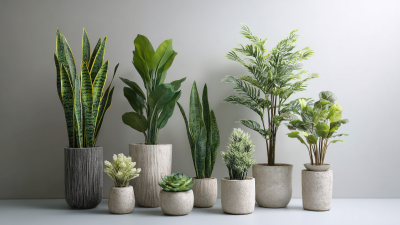
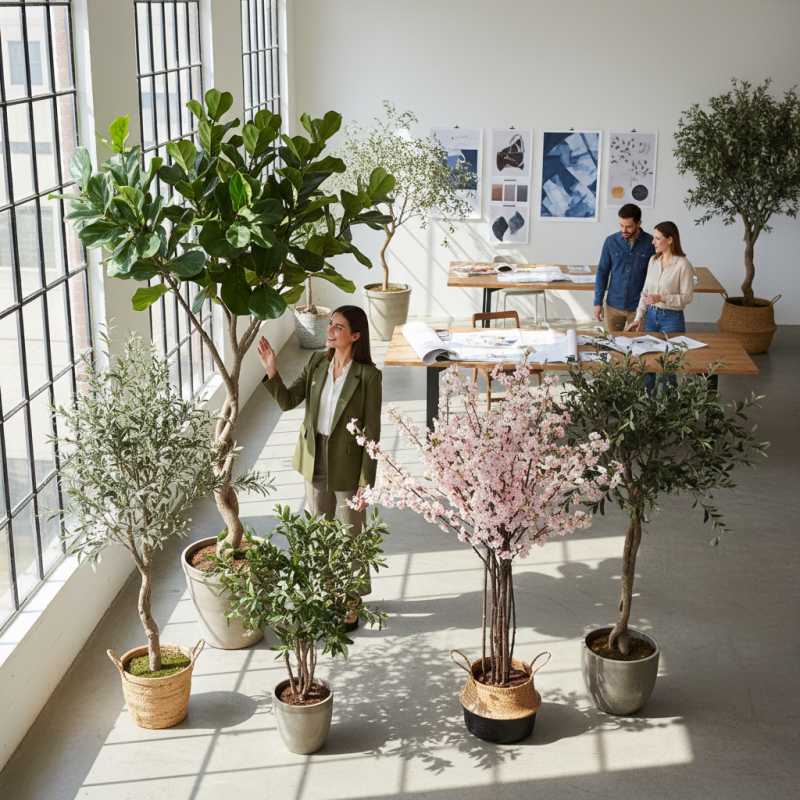
In recent years, the market has seen innovative designs that mimic real trees. From towering fig trees to delicate cherry blossoms, the variety is staggering. Many homeowners are leaning toward sustainability. Artificial Plant Trees offer a greener option without the maintenance and allergies that come with live plants.
However, the growing trend doesn't mean perfection. Many consumers grapple with choosing between realism and artistic interpretation. Some Artificial Plant Trees look remarkable, while others may feel too artificial. It’s essential to recognize that beauty lies in individual preferences. Understanding what works for one space may not fit another. These reflections encourage thoughtful choices in the evolving landscape of Artificial Plant Trees.
Key Features of the 2026 Top Artificial Plant Tree Trends
The trends for artificial plant trees in 2026 reflect a blend of nature and innovation. Expect to see more realistic textures and colors. Designers will use advanced materials that mimic real foliage. This shift will create a lifelike feel in homes and offices. A focus on sustainability is essential. Eco-friendly materials are on the rise, making these trees more appealing to environmentally-conscious consumers.
In addition, customization is gaining traction. Consumers want unique artificial plants that fit their specific spaces. This trend allows for various sizes and styles. Intricate details will be key, from leaf vein patterns to bark textures. There is room for imperfection, which adds character. Some designs may even have a hint of asymmetry, embracing a more natural look.
Smart technology integration is another exciting feature. Artificial trees may come with features like air purification or ambient lighting. However, the balance between nature and tech must be carefully considered. Too much technology could detract from the organic feel of a plant. Reflection on these elements is important for achieving harmony in design.
2026 Top Artificial Plant Tree Trends You Should Know
| Trend |
Key Features |
Popular Styles |
Material Used |
Expected Growth Rate |
| Realistic Textures |
Enhanced lifelike appearance with detailed leaf veins and bark texture. |
Fiddle Leaf Fig, Rubber Plant |
Polyethylene, Silk |
15% |
| Eco-Friendly Materials |
Made from recycled and biodegradable materials. |
Bamboo Trees, Potted Succulents |
Recycled Plastics, Natural Fibers |
20% |
| Smart Technology Integration |
Incorporates features like self-watering and LED lighting. |
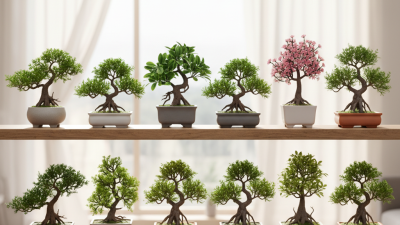
Artificial Palm Trees, Miniature Bonsais |
ABS Plastic, High-Quality Silk |
10% |
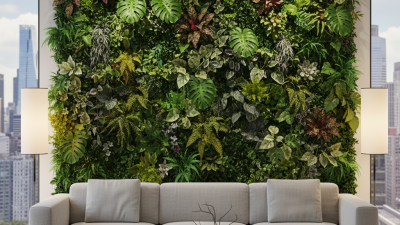
| Vertical Garden Solutions |
Space-saving designs suitable for indoor environments. |
Climbing Plants, Wall Planters |
Polyester, Natural Wood |
12% |
| Customizable Designs |
Options for customizing size, color, and overall design. |
Unique Tree Varieties, Hybrid Plants |
Mixed Materials, Hybrid Composition |
18% |
Innovative Materials Used in Modern Artificial Trees
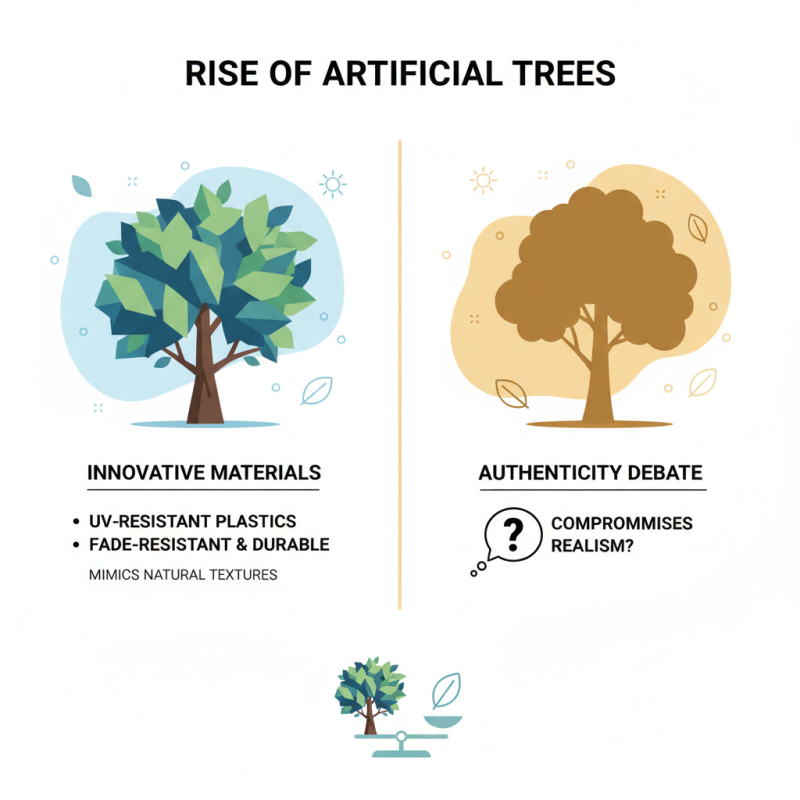
The rise of artificial trees has been influenced by innovative materials. One popular choice is UV-resistant plastics. These materials mimic natural textures and colors, thriving in various climates. They resist fading, maintaining their vibrant appearance. However, some might argue that this could compromise the authenticity that real plants naturally possess.
Another interesting advancement is the use of recycled materials. Some manufacturers have started incorporating eco-friendly options. This approach highlights sustainability in design. It does spark a debate, though. Are these trees truly green? Or is it just effective marketing?
Additionally, new techniques in artificial foliage production have emerged. 3D printing allows for intricate designs and unique shapes. The precision can create stunning realism. Yet, this technology is still evolving. There are often discrepancies in quality. Consumers may find variations in appearance that don't meet expectations. This inconsistency challenges the belief that all artificial trees can look lifelike.
Color Schemes and Aesthetics in Artificial Plant Design
Color schemes play a crucial role in enhancing the visual appeal of artificial plants. In 2026, trends show a shift toward earth tones and muted colors. These palettes evoke a sense of calm and connection to nature. According to industry reports, 75% of designers favor shades of green, beige, and terracotta. These colors harmonize well with contemporary decor styles and promote a soothing atmosphere.
Aesthetics in artificial plant design are also evolving. Designers are now focusing on realistic textures and finishes to mimic real plants. The goal is to create a more organic look. High-quality materials that mimic the veins and surfaces of living plants are gaining popularity. However, some designs still struggle with authenticity. Reports indicate that 40% of consumers notice this issue. When choosing artificial plants, it’s essential to consider both style and quality to achieve the desired aesthetic effect.
Despite the advancements in design, there's room for improvement. Many artificial plants lack the vibrancy of real foliage. This can lead to a lackluster appearance in certain settings. Encouraging conversations around these imperfections raises awareness about the importance of quality in artificial plant selections. It’s crucial to find a balance between beauty and realism for a truly captivating display.
Sustainability Practices in the Production of Artificial Trees
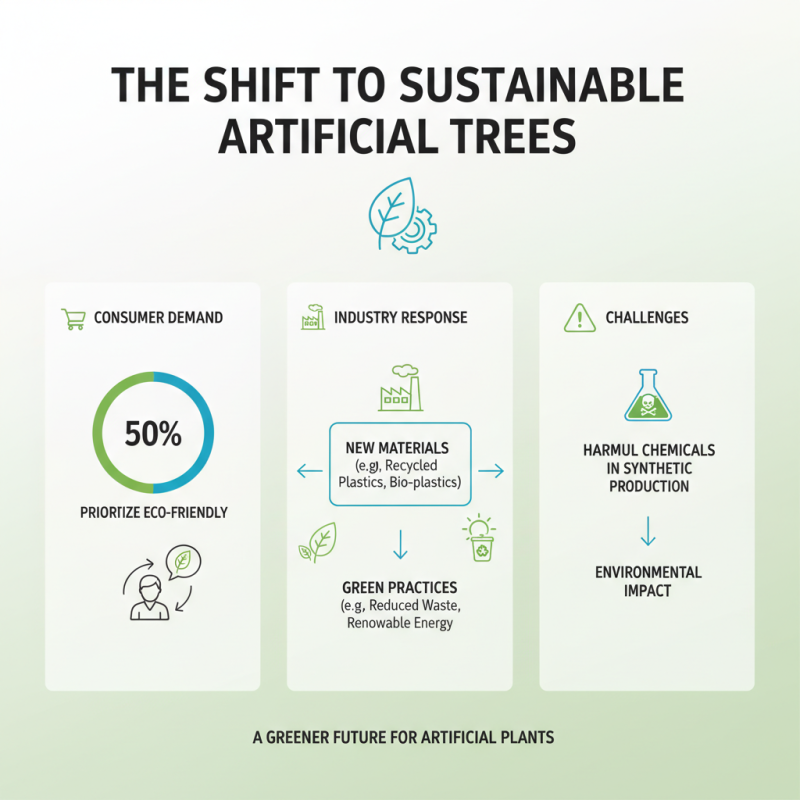
As the world becomes more environmentally conscious, sustainability in the production of artificial trees is gaining traction. In fact, reports indicate that around 50% of consumers prioritize eco-friendly products when making purchasing decisions. The artificial plant industry is responding by exploring new materials and practices. This shift presents challenges, as the production of synthetic materials often involves chemicals harmful to the environment.
Manufacturers are now turning to recycled plastics to create realistic and durable artificial trees. A recent study revealed that using recycled materials not only reduces waste but also lowers carbon emissions by about 30%. However, this process often requires complex recycling methods, which can detract from the overall sustainability goal. It’s a double-edged sword that prompts careful evaluation and innovation.
Moreover, the lifespan of artificial trees plays a crucial role in sustainability. A tree that lasts 10 years reduces the need for replacements, but its initial production footprint can be substantial. According to industry reports, 35% of consumers are unaware of the environmental impact of these products. Greater transparency and education about sustainable manufacturing processes are essential, pushing the industry to reflect on past practices while paving the way for greener solutions.
Popular Settings and Uses for Artificial Plant Trees in 2026
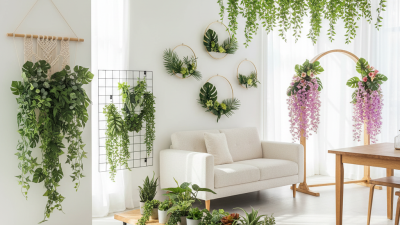
In 2026, artificial plant trees are becoming essential in various settings. Homes adorned with these lifelike creations offer warmth and vibrancy. In living rooms, you might find tall, leafy trees that mimic the beauty of nature. These pieces can transform sparse areas into inviting spaces. Adding them to corners can brighten up otherwise dull parts of the room.
Offices are not left behind. Many are introducing artificial trees to create a calming atmosphere. It seems that greenery can enhance focus and productivity, even if it’s not alive. Some companies choose potted ficus trees to make their workspaces inviting. Others might opt for larger, decorative trees near entryways, leaving a lasting impression on visitors.
However, some challenges arise. Over time, faux trees can attract dust and lose their appeal. Regular cleaning is necessary to maintain their charm. Additionally, choosing the right type of tree can be tricky. Not all styles work in every context. Carefully considering the overall decor is crucial for achieving harmony. In these ways, artificial plant trees remain a popular choice with both benefits and potential pitfalls.
2026 Top Artificial Plant Tree Trends
This bar chart illustrates the popularity of artificial plant trees in various settings for the year 2026. With living rooms being the most popular setting, followed by offices and gardens, this data highlights the growing trend of incorporating artificial greenery in both personal and commercial spaces.